
- This event is over. However, time travel possible through our Audio & Video! See upcoming events
Wildscreen Festival Global Hub: Bangalore
The Future of Natural World Storytelling for a Better Planet
Speakers
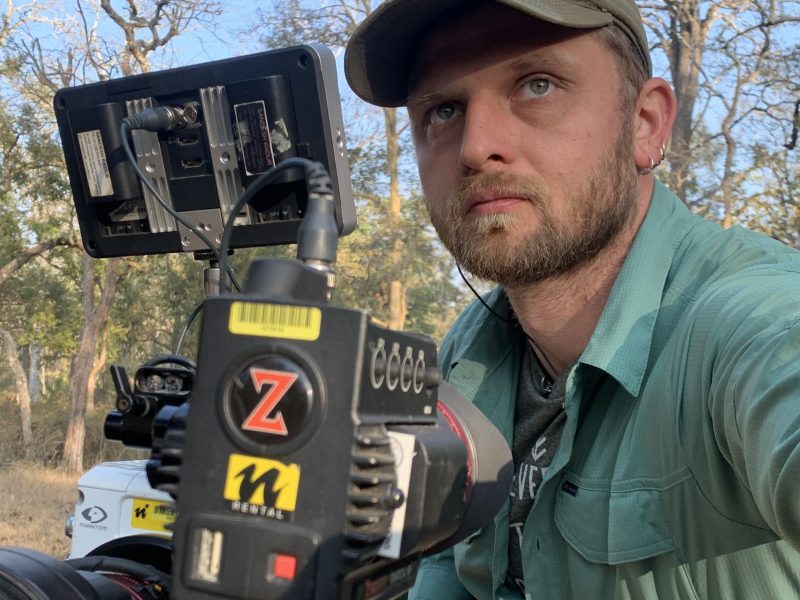
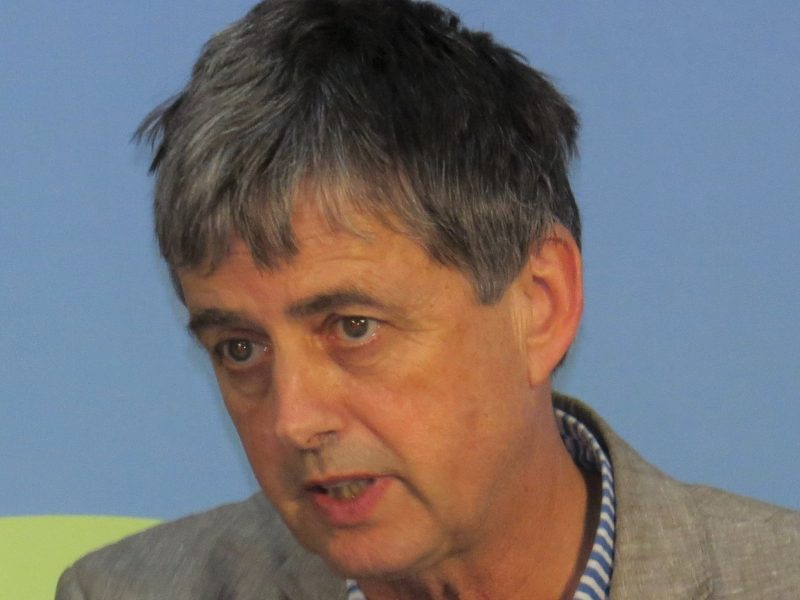
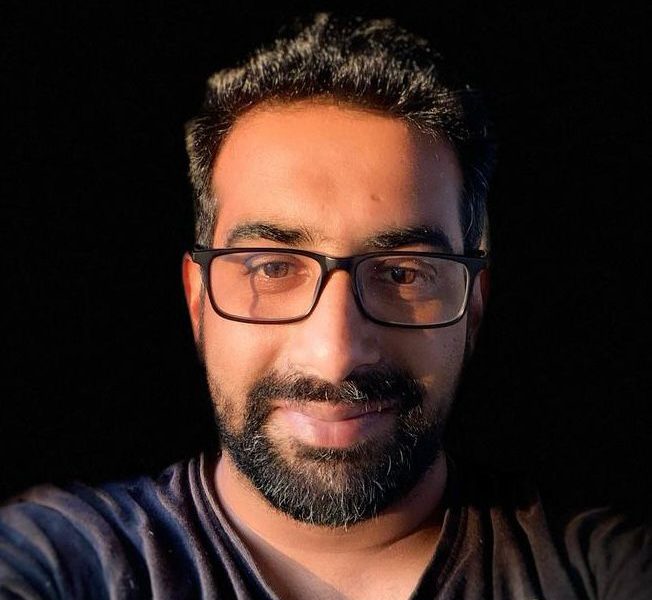
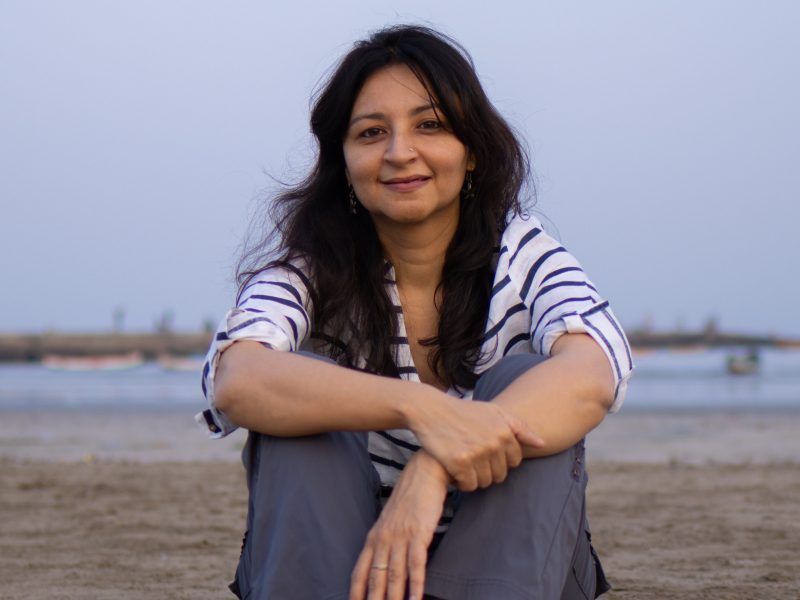
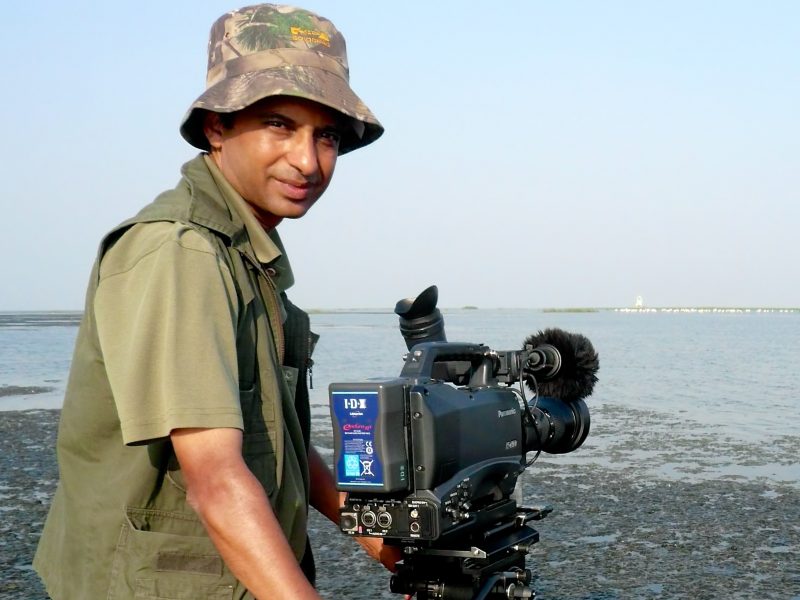
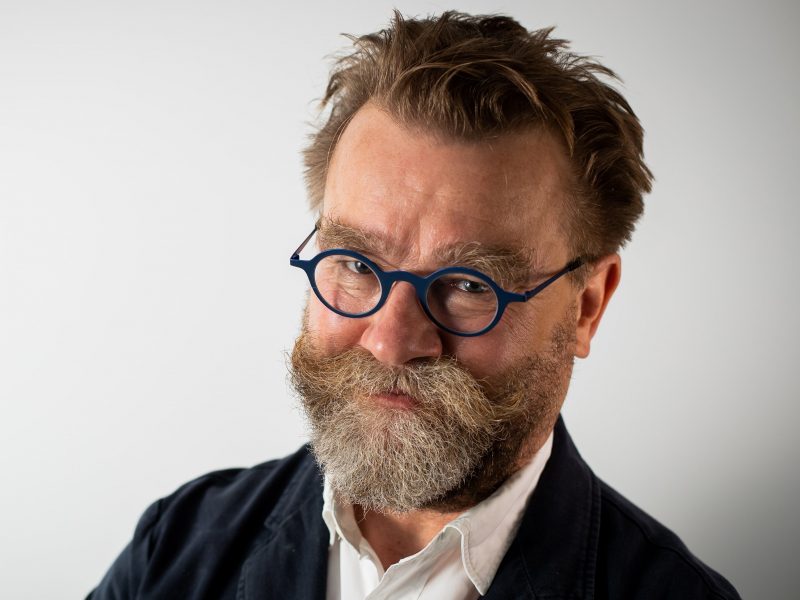
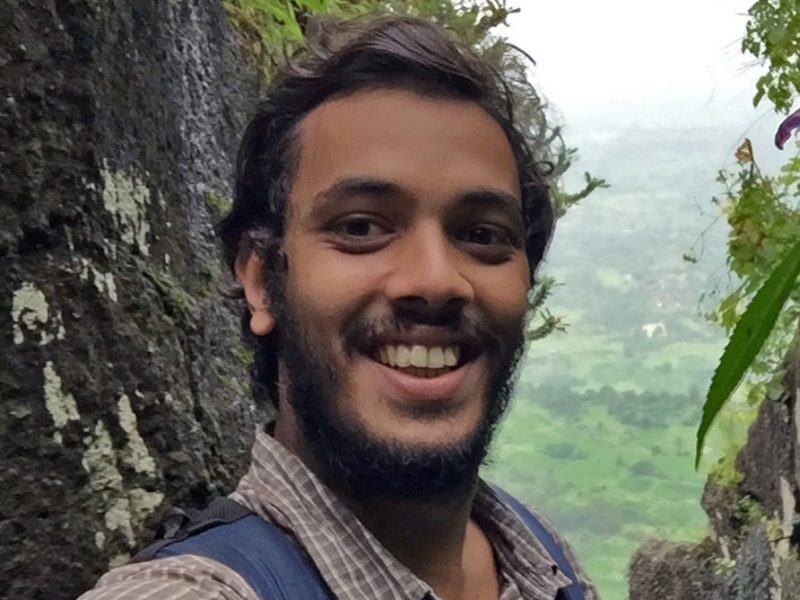
The Wildscreen Festival is the world’s largest and most influential wildlife and environmental filmmaking event which takes place biennially in Bristol, UK. This year Wildscreen celebrates its 40th anniversary and the Festival is going international with one of the hub events in Bangalore. This is a great opportunity for those who may not be able to attend Wildscreen in the UK, to still be able to participate in the different events, masterclasses, screenings and networking opportunities offered by this unique film Festival.
The Festival was established in 1982, in Bristol UK, the global hub of the natural history film and TV industry, by Sir Peter Scott, founder of WWF, and Christopher Parsons OBE, former Head of the BBC Natural History Unit. Now the world’s leading wildlife film and TV industry gathering, our biennial event, has grown significantly since those early years and evolved with the changing industry landscape and community.
Wildscreen is reaching out to more people in the world than ever before, providing guidance and an avenue to let their voices and stories be heard. Bangalore International Centre, alongside Felis Creations, is proud to host the Wildscreen Festival in Bangalore, a city that has fast become the hub of wildlife filmmaking in India.
| Event Schedule | |
| Day 1: Friday, October 21, 2022 | Auditorium | |
| Time & Event | Description |
| 4:00 to 4:30 pm
Registration & High Tea |
|
| 4:30 to 5:00 pm
Welcome Note |
Wildscreen, UK |
| 5:00 to 6:00 pm
Recorded Sessions |
Wildscreen, UK |
| 6:00 to 8:00 pm
Film Screening |
Panda Award Nominee Film followed by Q&A with Directors |
| Day 2: Saturday, October 22, 2022 | Auditorium | |
| Time & Event | Description |
| 9:00 to 10:00 am
High Tea |
|
| 10:00 to 10:30 am
Inauguration |
Inauguration of The Wildscreen Festival by Andrew Fleming (British High Commission), Vijaykumar Gogi (Principal Chief Conservator of Forests – PCCF) and Rohini Nilekani (Philanthropist) |
| 10:30 to 11:15 am
Wildlife Filmmaking as a Career Moderator: (TBD) |
Natural history documentation has always been one of the most intriguing fields in filmmaking because of its sheer unpredictability. But people often believe that in order to be a part of this industry, one needs to be a camera person. However, there are many other important shoes to be filled, like being a director, an editor, a presenter, a scriptwriter, and many more which are often overlooked. And generally, one has to don several feathers in their hat to successfully pull a project through.Tune into our panel discussion with some eminent storytellers who can guide you on your journey to becoming a wildlife filmmaker. |
| 11:15 to 11:30 am
Break |
|
| 11:30 to 12:00 pm
Foreseeing the Future |
A talk by Senani Hegde |
| 12:00 to 12:45 pm
Technology in Conservation Moderator: James Godber |
Traditional methods of monitoring biodiversity are making way to newer techniques such as drones, satellite remote sensing, data management, tracking tags, etc. which help collect data more efficiently. Conservationists and researchers are also making use of facial recognition networked sensors, Al and machine learning techniques to improve their research, reduce time and resources to detect and monitor wildlife. This session will offer you a glimpse of the various techniques and technologies used by conservationists to increase monitoring and effectiveness of conservation plans. |
| 12:45 to 2:15 pm
Lunch |
|
| 2:12 to 2:45 pm
TBD |
|
| 2:45 to 3:30 pm
Telling Local Stories Moderator: Samreen Farooqui |
Being aspiring storytellers, it is often a dream to travel to the remotest corners of the earth and document life there. But this ideology has led to the understanding that award-winning wildlife films and documentaries can be made only in pristine jungles. Join our esteemed panel as they discuss how a story can be found even in one’s backyard! The discussion will also explore the importance of involving local and indigenous communities and why their voices matter. |
|
3:30 to 4:00 pm Future or Storytelling |
In conversation with Gautam Pandev & Sandesh Kadur |
| 4:00 to 4:45 pm
Engagement and Community Building for Citizen Science Moderator: (TBD) |
Citizens and nonprofessional scientists are becoming one of the fastest-growing contributors to scientific databases globally. The collection and analysis of open scientific data by the general public has the ability to expand research taxonomically, geographically and temporally. These open-access databases could help close the gap between the scientific and non-scientific communities, thus making research all-inclusive. In this session, experts will share some of their work and also discuss barriers, issues and opportunities to strengthen Citizen Science movement to help preserve wildlife. |
| 4:45 to 5:15 pm
High Tea |
|
| 5:15 to 6:10 pm
Keynote |
Coming Full Circle by Shekar Dattatri |
| 6:10 to 6:40 pm
Talk |
A talk by Jeff Wilson |
| 6:40 to 7:50 pm
Film Screening |
Panda Award Nominee Film followed by Q&A with Directors |
| 7:50 to 8:00 pm
Closing Remarks |
|
In collaboration with The Wildscreen Festival

Speakers
Akanksha Sood Singh
Akanksha Sood Singh is at the forefront of natural history filmmaking in India. With a career spanning over 2 decades, she has produced some of the biggest natural history films to come out of the country. Her work has been televised across the globe and won critical international acclaim. She has won five National Film Awards by the President of India and recently, the Diversity Leadership Award by the World Congress of Factual Producers. She is one of the Jurors for the International Emmy – Documentary category and a member of the JacksonWild Advisory Council. Akanksha is the founder of The Gaia People and the Women of the Wild series in India, Pakistan and Malaysia
Sripad Sridhar
Sripad Sridhar is a Director Of Photography and filmmaker from India, he has been making films professionally for nearly a decade. He is best known for his work on wildlife films for International brands such as Netflix, National Geographic , Animal Planet and his work on films for India’s leading wildlife conservation organisations. Apart from his wildlife films Sripad has years of experience filming Digital Ads / Brand films for India’s biggest multinationals.
Malaika Vaz
Malaika Vaz is a wildlife filmmaker, television presenter and National Geographic Explorer. She is the Founder and CEO of Untamed Planet – an award-winning production company focused on producing natural history, conservation and investigative TV series and feature documentaries for global broadcast. Malaika directs, produces and hosts films on nature and the human interface with our planet for major networks including National Geographic, the BBC, Discovery Channel and Al Jazeera. She has served on the Expert Advisory Council for the Royal Foundation’s Earthshot Prize, is Ambassador for the Global Peace Dividend Initiative and frequently works on conservation and anti-trafficking initiatives with international and national conservation organisations.
Robin Darius Conz
Robin is a cameraperson and editor with a keen eye to capture action. Robin’s work focuses on a plethora of subjects, ranging from sports, events, documentaries and of course natural history. He has recently been a cameraman and editor for a series titled ‘Wildcats of India’ for National Geographic Wild. Trained in mountaineering, outdoor survival and as an Emergency First Responder, Robin’s all-round expertise makes him an ideal person on the team. He is also a drone operator, timelapse specialist & gimbal expert.
Chris Bowden
Chris Bowden is Globally Threatened Species Officer for the Royal Society for the Protection of Birds (RSPB), and his primary role since 2004 has been coordinating the Asian Vulture Programme in South Asia. He is Programme Manager for SAVE (Saving Asia’s Vultures from Extinction), a consortium of 25 regional and international organisations committed to the conservation of vultures in South Asia (http://www.save-vultures.org/). Chris is also the Co-Chair of the IUCN Vulture Specialist Group (VSG) since its formation in 2011. He has been based in Bangalore with his family since 2013.
Chris has focused on Critically Endangered species for most of his career, including spending four years in a village in SW Cameroon starting a conservation project there, before his seven years in Morocco in the 1990s researching and coordinating efforts for the Northern Bald Ibis – note he retains a role here as Coordinator for the AEWA International Working Group for Northern Bald Ibis. Over the past 30+ years he has been mainly field-based in Africa, Asia, UK and the Caribbean following on from breeding ecology work in the UK on Woodlark, Nightjar and Stone Curlew during the 1980s. He is also a keen birdwatcher and bird ringer.
Ganesh Raghunathan
From concerts to conservation, it has been a journey of transition for me. My interests lie in the field of elephant behaviour and this has helped me to be instrumental in human elephant conflict management in the Anamalais. Over the past few years, I have witnessed and documented some of the rare and intimate moments of elephant life. Besides spamming the residents of Valparai, I am also interested in photography and filming the natural world around me.
Yashpal Rathore
I am Electrical engineer by qualification but Naturalist & Nature Photographer by choice. I was always active in wildlife conservation activities from college days. To enrich my knowledge for wildlife conservation. I undertook the “Certified Naturalist training” conducted by Jungle lodges & Resort, a Karnataka govt. enterprise in the year 2008. Being A Certified Naturalist, I conduct weekend bird walking & photography tours around the world and introduce new people to the basics of photography & birding. The joy derived out of providing orientation on these subjects to young people encouraged me to educate myself more in this field. Subsequently I did the “Certified Volunteer course” jointly conducted by Karnataka forest Department, these certifications provided me the opportunity to take part in forest management and participate in activities like Wildlife census, Bird survey & other conservation activities. These activities provided me a deep insight into nature and its residents and helped me take the next step of photography. My photographs been extensively published in print and electronic media across the world, through UK based stock agency “Nature Picture Library”.
Shashank Sreenivasan
Shashank is a conservation geographer and robot operator. He has an MRes in Ecology and Environmental Management from the University of York and an MPhil in Conservation Leadership from the University of Cambridge. He is a National Geographic Explorer, Chevening Scholar and a Kinship Conservation Fellow.
Samreen Farooqui
Samreen Farooqui is a filmmaker, producer and commissioning editor. She has over 15 years of experience in non-fiction films and media. Her work traces an India-in-transition through stories of changing socio-political realities, wildlife and environment, urban living and technology. Her films have been showcased and released at prestigious film circuits and channels like the International Film festival of Rotterdam, Film South Asia, New York Indian Film Festival, Channel 4, UK and MUBI.
She is the Creative Head for videos in RoundGlass Sustain, a social impact digital publication on India’s natural world. RoundGlass Sustain has crafted over 100 short films with a diverse group of emerging and veteran filmmakers across India.
Ashwika Kapur
Ashwika Kapur is a qualified Science Communicator and an International Award-winning Wildlife & Nature Filmmaker. Ashwika is India’s youngest and only woman to win a ‘Green Oscar’ or a Panda Award in a global category for her film on the rare and endangered New Zealand Kakapo Parrot.
She has also been awarded at New York Wild Film Festival, and named a Grand Teton Finalist at Jackson Wild, USA, America’s most prominent environmental storytelling platform, among many more nominations and recognitions worldwide. Her journey began as a passionate nature storyteller, in the last 6 years, her time & projects have been split between India, UK and New Zealand.
She’s worked as a Director Producer & Wildlife TV Presenter for various platforms such as Animal Planet, Discovery Channel, Netflix and BBC, her most recent projects being Attenborough’s Life in Colour and Planet Defenders. Ashwika also takes time out to make short-form conservation films on regional, environmental stories in India. She is a professional public speaker and an educator, and regularly delivers wildlife & conservation talks in India & UK to inspire young minds to discover the wonders of the natural world.
Rita Banerjee
Rita is the founder of the Green Hub Project that leverages the power of youth in conservation and social change through the digital medium. Green Hub was initiated in the northeast of India in 2015, in collaboration with North East Network and has expanded to Central India in 2021. Rita is an Ashoka fellow and works through her organisation Dusty Foot Foundation.
Prior to Green Hub, as an environment filmmaker Rita has been part of several award winning films including three Panda awards at Wildscreen – The Last Migration, Shores of Silence and The Wild Meat Trail.
Swati Thiyagarajan
Swati Thiyagarajan is an Indian conservationist, documentary filmmaker and environmental journalist, based in Cape Town, South Africa and New Delhi, India. She is a core team member of the Sea Change Project in South Africa and environmental editor at the Indian television news network NDTV. Thiyagarajan is the recipient of the Carl Zeiss Award, Earth Heroes Award and two Ramnath Goenka Excellence in Journalism Awards. Her work as the environmental editor at NDTV has been acclaimed internationally and she has been described as the doyenne of environmental journalism in India.
Pradeep Hedge
Pradeep Hegde grew up in an agriculturist family in a small village amidst the Western Ghats of India. He is passionate about solution- based storytelling and focuses on creating compelling narratives that help the broader public connect to intricate and complex information.
He has worked as a primary cameraman for several wildlife films and documentaries. His work has been broadcasted on Animal Planet, Discovery Channel, and National Geographic India. He recently co-directed and shot an award-winning conservation film – The Last Hop(e), about the conservation of frogs.
Apart from being a cameraman for natural history films, he produces wildlife and conservation short films for Roundglass sustain across India. He has worked in close collaboration with various on-ground conservation teams such as WildCAT – C, ARRS, WCS-India, and Green Hub.
Gautam Pandey
Gautam Pandey studied film in Canada and has won several national and international awards for his films including the National award. Beyond awards Gautam lives with a passion for the wild. Born into a family of nature-enthusiasts his passion for filmmaking started at an early age and he is now focused on using film as a medium to bring about awareness about wildlife and combine the genres of Natural History and Conservation films. Gautam has been experimenting with technology to push the boundaries and find new ways to tell stories and deliver conservation messages to new audiences.
For the past few years he been experimenting with cinematic 360 VR to create immersive experiences to tell stories and deliver conservation messages to new audiences. Most recently he was successful in filming wild snow leopards in 360 VR, a first in the world of wildlife filmmaking. His films are currently on air on Animal Planet and Discovery, Gyamo – Queen of the Mountains and Looking for Sultan. Both films have been awarded internationally and recognised for their conservation message. He is currently producing and directing an ongoing rescue series for National Geographic India, Snakes SOS – Goa’s Wildest.
Sandesh Kadur
BAFTA award winning film-maker and National Geographic Fellow, Sandesh Kadur, creates documentary films that have aired worldwide on prominent networks such as National Geographic, the BBC, Netflix, Discovery Channel, and Animal Planet. His work spans from the elusive snow leopard in the Himalayas to the Okavango Delta in Botswana & the endangered Kemp’s Ridley turtles in Mexico. He is also the co-author of two books, Sahyadris: India’s Western Ghats – A Vanishing Heritage (2005) and Himalaya – Mountains of Life (2013). His work has won a slew of prestigious international awards, including a 2017 EMMY nomination and the 2017 BAFTA award for his work on BBC Planet Earth II and was nominated twice for a Green Oscar at the Wildscreen Film Festival, among many other awards and nominations.
Bijoy Venugopal
Bijoy Venugopal is a communications professional, birder and independent travel writer based in Bangalore. His inexhaustible love for the outdoors has led him to observe birds in 17 countries. In 2021, he volunteered with Wildlife Trust of India in search of the elusive White-winged Duck in Arunachal Pradesh, mapping favorable habitats for the bird around Mehao Lake in Mishmi Hills. At home in Bangalore, he leads bird walks at Saul Kere, his neighbourhood patch where he has documented over 160 species of birds. Following a brief illness in 2019, he resolved to watch birds every day and has recorded an unbroken checklist streak of over 1000 days on eBird. A Citizen Science advocate, he has participated in bird habitat mapping and abundance surveys across India, while avidly documenting insects, reptiles and other biodiversity on iNaturalist. Since 2006, he has been the founder-editor of The Green Ogre (https://www.greenogreindia.org), a collaborative blogging project to unravel nature’s layers for the layperson.
Helen Roy
Professor Helen Roy MBE Hon. is an ecologist at the UK Centre for Ecology & Hydrology. Her research focuses on the effects of environmental change, particularly biological invasions, on biodiversity and ecosystems. Helen leads many collaborative national and international research projects on biological invasions with a focus on enhancing information flow to inform understanding of the impacts of invasive alien species. Helen also enjoys science communication and public engagement with research which led to her interest in citizen science; an approach that she has implemented in a number of contexts. She is currently leading a global assessment on invasive non-native species for the Intergovernmental Panel on Biodiversity and Ecosystem Services.
Ashwin Viswanathan
Ashwin is a mechanical engineer turned ecologist, and a long-time birdwatcher. During his MSc and PhD, he studied plant biology and the effects of fragmentation on mechanisms that maintain plant diversity. During his doctoral research, he became increasingly fascinated by the potential of citizen science to answer ecological questions. He now works with Bird Count India, a group that encourages birdwatchers to systematically monitor birds, and helps generate knowledge from the data that emerges.
Ulhas Anand
Ulhas Anand has been involved in building awareness towards wildlife and the environment and has been actively associated with the birdwatching movement in Bangalore. He has been a key player in the midwinter waterbird surveys, one of the earliest citizen science initiatives in the region. He has been a founding moderator of the first email discussion group on wildlife from India and currently runs one of the largest Telegram communities on wildlife in the region. An annual meet-up of birdwatchers, ‘Bengaluru Bird Day’, is also organized by him. He produces ‘The Bird Podcast’, rated by Audubon as one of the top-10 bird podcasts from around the world. His latest initiative is a portal for users to share short nature field notes and trip reports, naturalhistory.in. Being a product designer by profession, he has led a dialogue around sustainable redesign. He has done his Post-Graduation from the University of Wales, UK.
Sejal Anil Mehta
Sejal Mehta is an author and editor. She has worked in the publishing landscape (print and digital) for 20 years. She has been part of the core teams that started and helmed Lonely Planet Magazine India, National Geographic Traveller India, Nature inFocus and Marine Life of Mumbai. She works on content and strategy and communications for The Habitats Trust. You’ll find her words in newspapers and magazines and she is a published author for Pratham Books, anthologies for Hachette India and Scholastic. Her debut non-fiction book on shore wildlife – Superpowers on the Shore, published by Penguin Random House came out in June this year.
Shekar Dattatri
In a career spanning nearly four decades, Shekar Dattatri has traversed the gamut of nature filmmaking. After enjoying international success as a producer and cameraman for the world’s leading broadcasters – and being named one of the world’s top ten rising stars of wildlife filmmaking by Television Business International in 1998 – he shifted focus to producing films that can make a difference on the ground. His natural history films for television include ‘Nagarahole – Tales from an Indian Jungle’ and ‘Monsoon – India’s God of Life’. His hard-hitting conservation films include, ‘Mindless Mining – The Tragedy of Kudremukh’ and ‘The Truth about Tigers’. He has also officiated on the final juries of prestigious wildlife film festivals, including Wildscreen 2008 and 2020. He has received numerous national and international awards for his work as a filmmaker and a conservationist, including a Rolex Award for Enterprise. More information on his work can be found at www.shekardattatri.com.
Harry Marshall
Harry Marshall was born in 1960 in Bangalore and grew up in India where he learnt how to catch elephants using binoculars, tweezers, and a jam jar. In 1978 he won an open scholarship to read English at Oxford University. During the 80’s he worked at London Weekend Television on the South Bank Show, with Border Television, Channel 4 and at various independent production companies. Over the past 30 years Harry has overseen Icon’s original production and has won national and international awards (Emmy / Grierson / Telluride /Jackson Hole / Missoula / Wildscreen) and nominations for his work as director, writer, and executive producer. Harry is increasingly involved in environmental projects, including rewilding an abandoned hill farm and overseeing promotional films for the Whitley Fund for Nature for which he produces 7 short wildlife films each year presented by Sir David Attenborough. When not in Bristol he enjoys off-road cycling, planting trees and living in a remote valley in The Black Mountains of Wales.
Kartik Chandramouli
Senani Hegde
Krupakar and Senani are Wildlife Filmmakers from Mysore working under the banner KS Features. They have worked as wildlife consultants/cameramen/directors and have produced many films for leading commissioners the world over, including National Geographic, Animal Planet, Discovery and ARTE. They are also very serious students of natural history. Their study of Wild dogs or Dhole in the Nilgiri Biosphere Reserve over one-and-a-half decades has yielded new insights into the behaviour of the species.
