
- This event is over. However, time travel possible through our Audio & Video! See upcoming events
When the Pot Sings
A Journey with the Ghatam
Speakers
From clay beds to concert halls, what stories does a pot carry?
The ghatam begins its life in mud drawn from ponds and lakes, spun carefully on a wheel by the potter’s hand. Once fired, it waits quietly until a musician coaxes rhythm from its body.
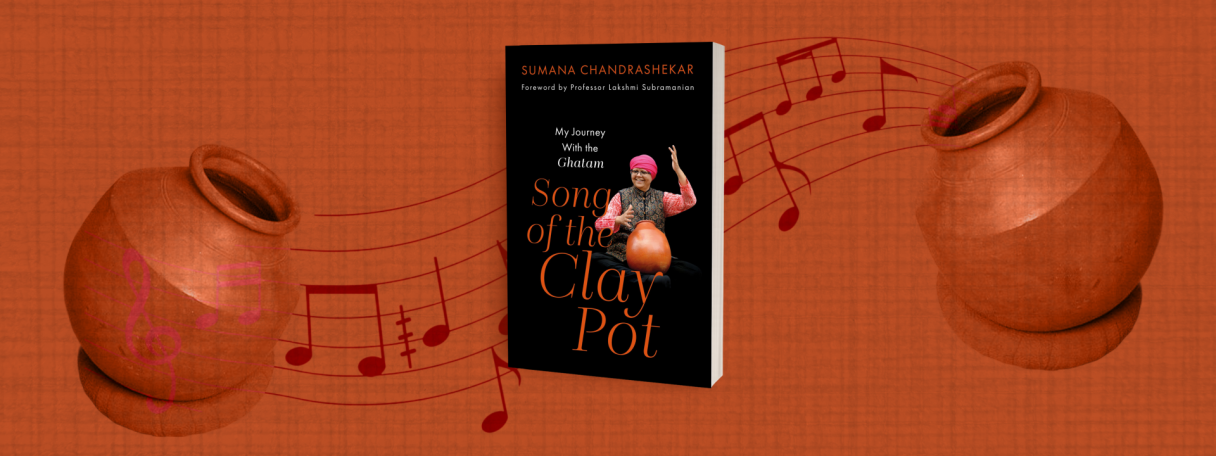
In Song of the Clay Pot – My Journey with the Ghatam, Sumana Chandrashekar traces this remarkable journey, weaving together myth, history, and her own life as a ghatam artist. Along the way, she opens a window onto Carnatic music’s hidden histories: from the instrument’s early marginalisation and the years of AIR’s harmonium ban, to the delicate hierarchies that shape relationships between performers.
Chandrashekar also reflects on being a woman in this world: the unspoken rules, the pressure to conform, and her conscious choice to step outside tradition’s prescribed attire.
In conversation with Arundhati Ghosh, she invites us to consider not just the sound of the ghatam, but the politics, aesthetics, and lived experiences it holds within its clay. The discussion concludes with a Q&A.
A morning where earth, music, and memory find rhythm together.
Speakers
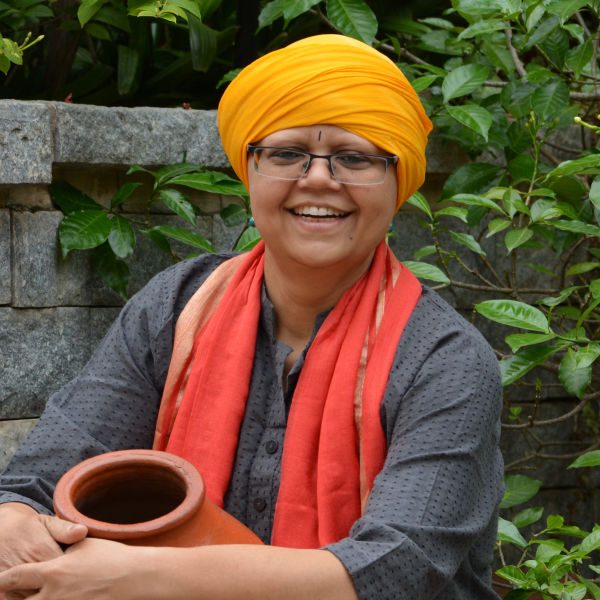
Sumana Chandrashekar
Sumana Chandrashekar brings together the roles of performer, researcher, and storyteller in her lifelong engagement with the ghatam. A disciple of Sukanya Ramgopal and trained in Carnatic vocal music, she has performed widely and collaborated on experimental projects that expand the possibilities of rhythm and form. Her research explores the intersections of language, migration, gender, and music, informed by years of travel and close work with artists and communities across India. Sumana’s recently published book, Song of the Clay Pot – My Journey with the Ghatam (Speaking Tiger, 2024), offers an intimate, layered history of the instrument. Through her practice and writing, she opens fresh ways of listening to one of India’s most resonant percussion traditions.
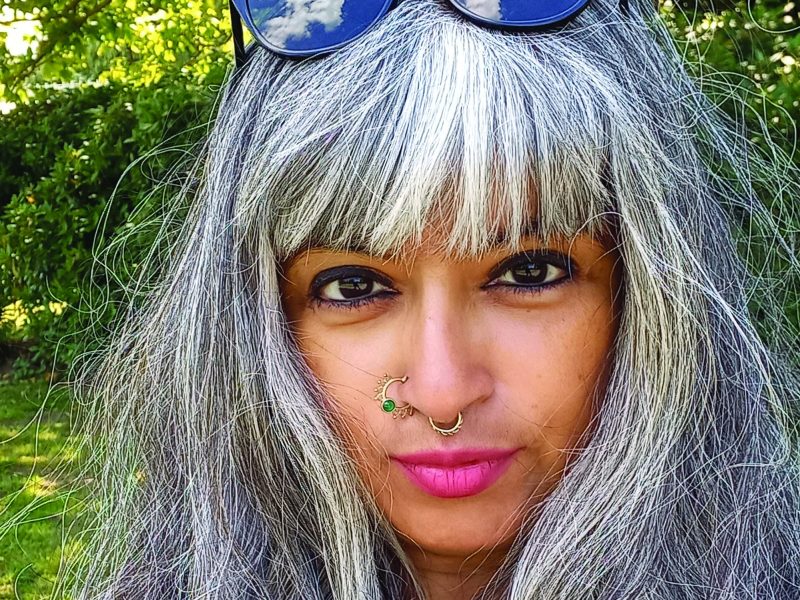
Arundhati Ghosh
Arundhati Ghosh has worked across the arts and culture sector for over three decades, shaping conversations on creativity, philanthropy, and social justice. She was the Executive Director of the India Foundation for the Arts (IFA) from 2013 to 2023, and continues to contribute to institutions such as the Museum of Art and Photography (MAP), Shomokaleen Protibidhan, the Solidarity Foundation, and Maraa. Her voice is sought internationally for its depth on the arts, equity, and cultural practice. A poet in Bangla, her debut collection Oshomoye Phire Esho Nodi Hoye appeared in 2023, followed by All Our Loves: Journeys with Polyamory in India (Aleph, 2025). Whether writing, advising, or speaking, Arundhati brings a rare ability to connect artistic practice with lived realities, making her an influential presence in any dialogue on culture and society.
