
- This event is over. However, time travel possible through our Audio & Video! See upcoming events
Voices of Teesta
Rivers, Rituals, and Resistance
Speakers
42 minutes | Nepali, English & Lepcha | English Subtitles
“Before the formation of this holy Rongnue (Teesta) from the bottom of Kongchen (Khanchendzonga),
We used to narrate the parentage of River Rongnue,
Water of the river Teesta we use to offer during the ritual,
If this water dries up, there will be a drought,
Rongnue is a holy water, it is a god of water… Achulay, we narrate as a song,
Achulay
Rongnue is the god of water…”
With hydro energy being one of the convenient and available energy source for the development of any given State, the film tries to understand the relationship between various groups and communities of Sikkim and West Bengal with River Teesta. This film tries to trace the faint and unheard voices of local people who are affected by these developments. It travels from the source of River Teesta till the tip of the plains of North Bengal, traverses through mini and mega hydel projects to capture these naked voices and their bond, angst, adaptation and reconciliation with River Teesta.
The story particularly revolves around the unique practice and beliefs of mountain communities and how they express their significance of the river through their folklore, sacred rituals and scriptures. Communities from downstream struggle to balance their faith and religion with such developments and others confess the helpless need of sustaining and adapting to the changing economic patterns and surmounting unemployment. The film eventually ends with a question if Teesta will ever speak for herself.
The film screening will be followed by a panel discussion and Q&A with the audience.
Credits:
Director: Minket Lepcha
Editor: Wangyal Sherpa & Salil Mukhia
Cinematographer: Anup Aadin Das
Sound: Hishey Bhutia
Research: Kachyo Lepcha & Minket Lepcha
Speakers
Mayalmit Lepcha
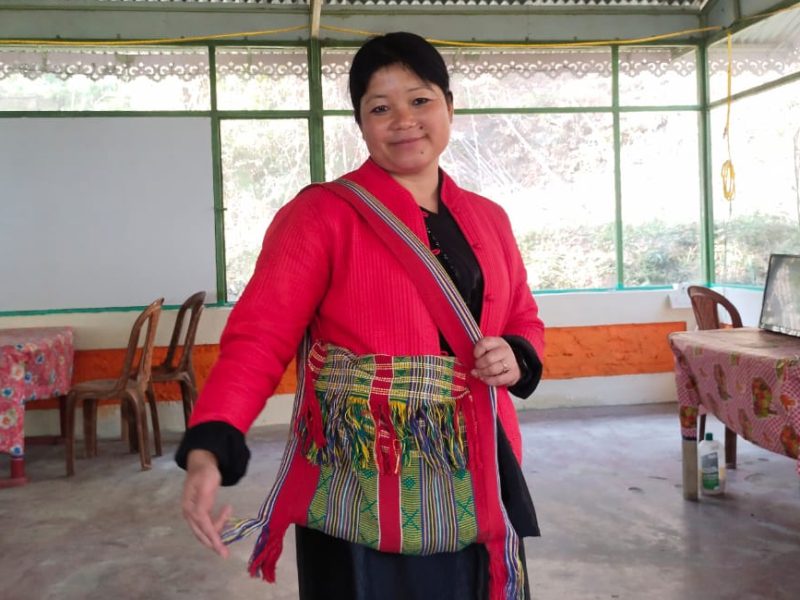
Mayalmit Lepcha is a prominent social and environmental activist, serving as the President of the Sikkim Lepcha Indigenous Tribal Association and the General Secretary of the Affected Citizens of Teesta (ACT). A passionate advocate for the rights of her community, she has represented the Lepcha people on regional, national, and international platforms, tirelessly raising awareness about the challenges they face.
Mayalmit has been a strong voice for land rights, providing free legal support to her community, and is deeply committed to women’s empowerment and children’s welfare. Her advocacy work extends beyond legal aid, as she works to ensure the preservation of her people’s cultural heritage and environmental sustainability in the face of development threats.
In addition to her activism, Mayalmit runs a small homestay, supporting her journey toward financial independence while simultaneously offering guests a glimpse into the rich traditions and natural beauty of her homeland. With her unwavering dedication to her people and the environment, Mayalmit continues to be a driving force for positive change in Sikkim.
Winona Lepcha
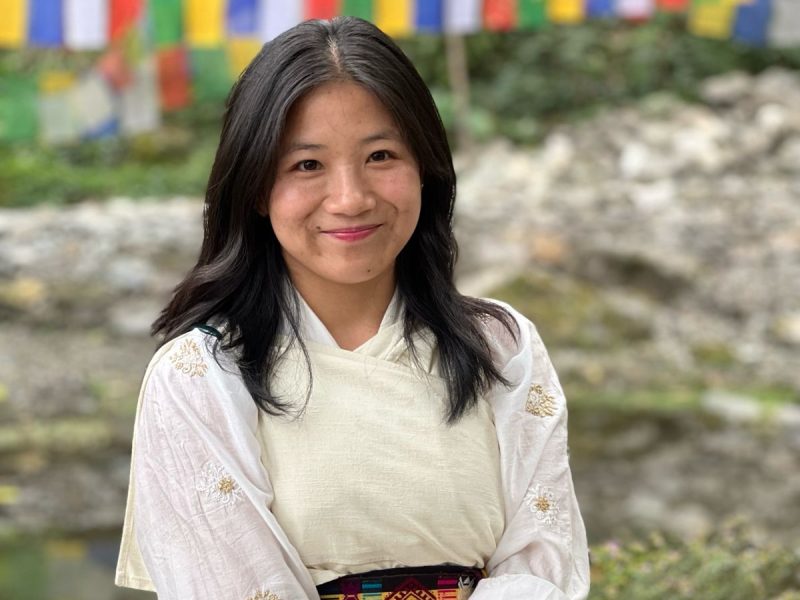
Winona Lepcha is a naturalist, entrepreneur, and passionate advocate for the mountains of Dzongu, Sikkim. Born and raised in this pristine region, she completed a B.E. in Computer Science before returning home to run a homestay that offers guests an immersive experience in the beauty and tranquility of her homeland. For over seven years, Winona has welcomed visitors from around the world, sharing the natural wonders and cultural richness of Dzongu.
In addition to her entrepreneurial endeavors, Winona is an active advisor and member of the Affected Citizens of Teesta (ACT), a group dedicated to protecting the environment and the rights of local communities in the face of development projects along the Teesta River. Through her YouTube channel, Winsday, Winona provides an authentic, day-to-day look into life in Dzongu, offering insights into local traditions, the challenges of living in the mountains, and the urgent need for environmental preservation. With a deep-rooted commitment to both her heritage and the future of her home, Winona strives to balance her love for nature with her entrepreneurial spirit and advocacy work.
Neethi Mahesh
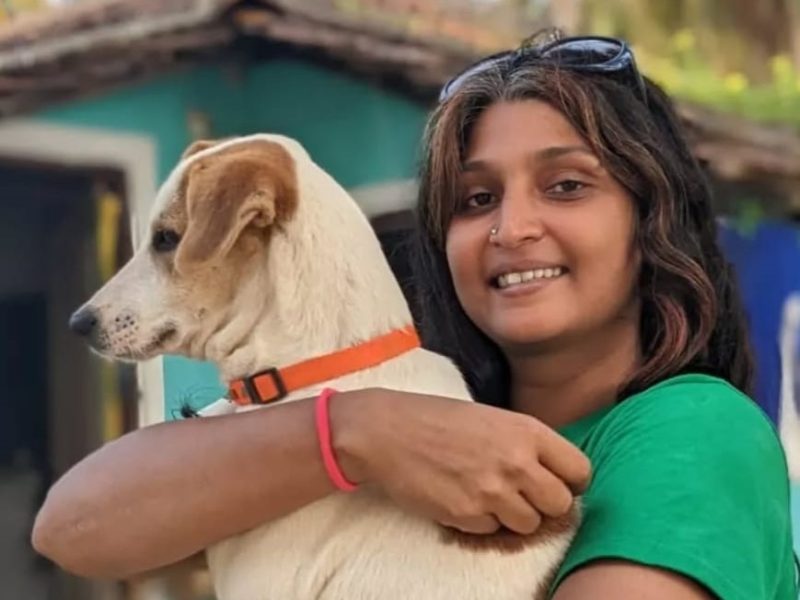
Neethi Mahesh has been working in the field of ecology and conservation, focusing on the Cauvery River in Coorg District. Her work in the Cauvery river focuses on the spatial ecology of Mahseer fish as indicator species, while exploring and developing a holistic landscape level approach, towards river conservation.
Neethi currently works in collaboration with the Jenu Kuruba, forest dwellers, the Forest Department and Coffee Plantation Owners on a riparian corridor restoration initiative. Her work also includes developing a citizen science model for freshwater ecosystems such as lakes, streams and rivers through a technology based platform called Our River, Our Life, which has potential to facilitate monitoring and reporting of these lesser known ecosystems. An understanding of current trends through applied research and collaborations with local stakeholders from respective communities to address location specific issues, she believes, is the sustainable way forward.
Parineeta Dandekar
Parineeta Dandekar is an environmental advocate and Associate Coordinator for the South Asia Network on Dams, Rivers, and People (SANDRP), she is working to ensure that India’s last free-flowing rivers remain protected.
Her research uncovers the failures of large-scale water projects while amplifying the voices of communities, cultures, and ecosystems that depend on these rivers. She is pushing for policies that prioritize both people and the planet, ensuring a future where rivers continue to sustain life.
CP Rajendran
CP Rajendran (alias CP) is an adjunct professor at the National Institute of Advanced Studies, Bangalore. A prominent geoscientist in India with an international reputation, CP is recognized for his wide range across geological and environmental sciences. After his PhD in geological sciences from the Cochin University of Science and Technology, CP did his postdoctoral work at the University of South Carolina, USA on the earthquake hazard of coastal South Carolina. Back in India, as a professional researcher, he focused on some of the most challenging questions relevant to natural hazards including earthquakes and tsunamis and was also able to oversee the development of cross-disciplinary initiatives in natural hazards and environmental science.
He started his scientific career at the Centre for Earth Science Studies, Thiruvananthapuram, and later at the Indian Institute of Science and Jawaharlal Nehru Centre for Advanced Scientific Research, Bengaluru as a research professor. He is also involved as a director of the Consortium for Sustainable Development based out of Connecticut, USA. CP Rajendran is a prolific communicator and a columnist on science policies, environment, education, scientific temperament and academic freedom.
