The Role of the Uniformed Services in India’s Constitutional Democracy
The Seventh P.K. Dey Memorial Lecture
RSVP here
Speakers
How do the armed forces and the police, entrusted with the state’s authority, remain answerable to the Constitution and to the citizens it protects? Two senior former officers, one from the air force and one from the police, speak from long experience of service. A discussion with audience interaction follows, chaired by a human rights advocate.
India’s constitutional democracy rests on institutions that uphold the Constitution, protect citizens’ rights, and stay accountable to democratic principles. The uniformed services hold a distinctive place among them, which makes their institutional responsibilities, their relationship with democratic governance, and their part in safeguarding constitutional values worth examining closely.
The event is presented in collaboration with The School for Democracy and Asha Dey and family, in memory of Air Marshal P.K. Dey.

Venue: Seminar Halls
Speakers
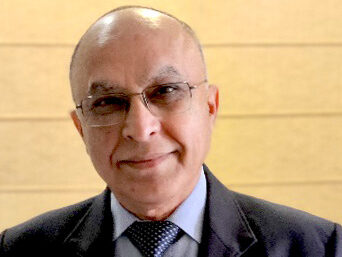
Air Marshal Anil Khosla (Retd.)
Air Marshal Anil Khosla, PVSM, AVSM, VM, served as Vice Chief of the Air Staff in 2019. As a fighter pilot, he commanded a Jaguar squadron and two front-line operational bases, and held senior appointments including Director General Air Operations. He has worked extensively with the Army, Navy, and Government Ministries and agencies, including NTRO, DRDO, ISRO, NDMA and defence PSUs. He was involved in formulating Air Force war plans, force-structure planning and capability building, and handled the Doklam and Balakot air operations. He holds two M.Phil. degrees in defence and strategic studies.
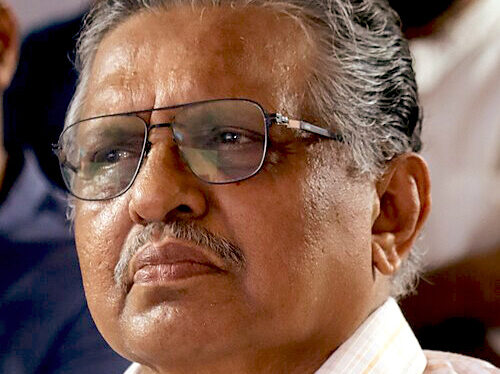
Jacob Punnoose
Jacob Punnoose IPS (Retd.) is a former Director General of Police and State Police Chief of Kerala. A member of the 1975 IPS batch, he served in senior positions including City Police Commissioner in Thiruvananthapuram and Kozhikode, Intelligence Inspector General, Additional DGP (Training), Intelligence DGP and Vigilance Director. He was closely associated with police reform, community policing and police training, including Kerala’s community-oriented policing initiatives and the Student Police Cadet programme. He also chaired the committee that reviewed Kerala’s police legislation, contributing to the Kerala Police Act, 2011, which established new institutional mechanisms for police administration and accountability.
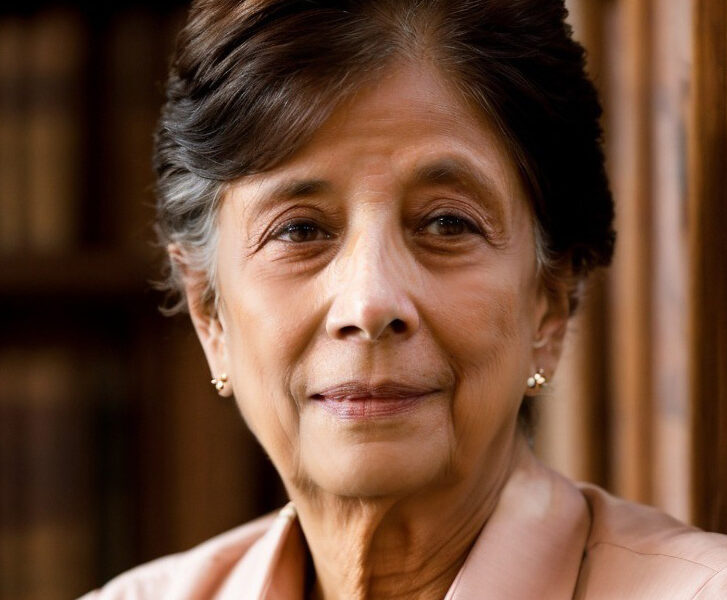
Maja Daruwala
Maja Daruwala is a barrister from Lincoln’s Inn who has worked for over four decades on human rights, civil liberties, rule of law, accountability and systemic reform. She remains on the board of the Commonwealth Human Rights Initiative (CHRI), having served as its Director for two decades. She is Chief Editor of the India Justice Report, which examines the capacity of India’s justice institutions, and founder director of the India Justice Report Foundation. Her work has focused particularly on police reform, prison reform and access to information.
You might also like