

- This event is over. However, time travel possible through our Audio & Video! See upcoming events
Reading the Tea Leaves
And other insights into the tea plantations of South India
Speakers
This discussion situates itself around the book, An Elephant Kissed My Window – an account of life on the tea plantations of South India over a period of fifty years. Largely comprising personal anecdotes, it is supported by relevant historical material from secondary sources, and traces the journey that began when once-impenetrable jungle made way for the pioneering British planters of the 18th century. As they settled and began growing their crops and selling them, a lifestyle and culture developed, with its own rituals and traditions. In time, Indian managers inherited these from the departing colonials, and soon adapted to unfamiliar menus and bathroom fixtures.
Th environmental impact, as real and grave as the cultural will also be discussed.
Speakers
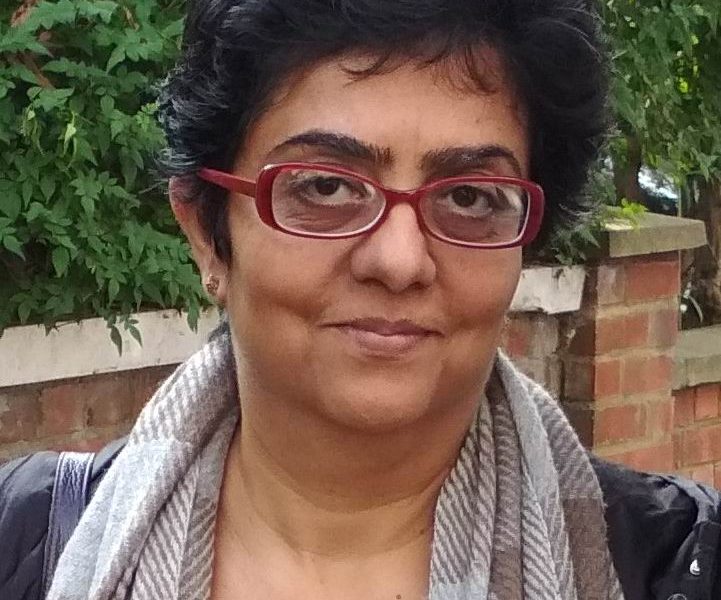
Saaz Aggarwal
Saaz Aggarwal is a contemporary Indian writer whose body of work includes biographies, translations, critical reviews and humour columns. As an artist, she is recognized for her Bombay Clichés, quirky depictions of urban India in a traditional Indian folk style. Her art incorporates a range of media and, like her columns, showcases the incongruities of daily life in India. Her 2012 book Sindh: Stories from a Vanished Homeland established her as a researcher in Sindh studies.
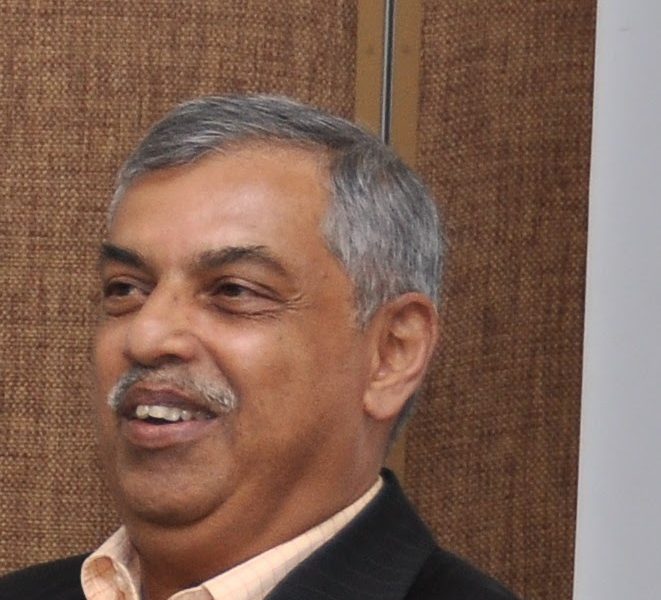
M Ravindran
M Ravindran, a tea planter in the Nilgiris, Anamallais and Meghamalai, joined a plantation company in Ooty in 1967, when he was twenty years old, as Trainee Assistant Manager. He subsequently worked for Unilever PLC for more than three decades and retired as Group Manager, Tea Estates India. The bulk of his experience has been in the area of growing, manufacturing and tasting tea. He has also been in charge of tea factories, managing and manufacturing of high quality teas.
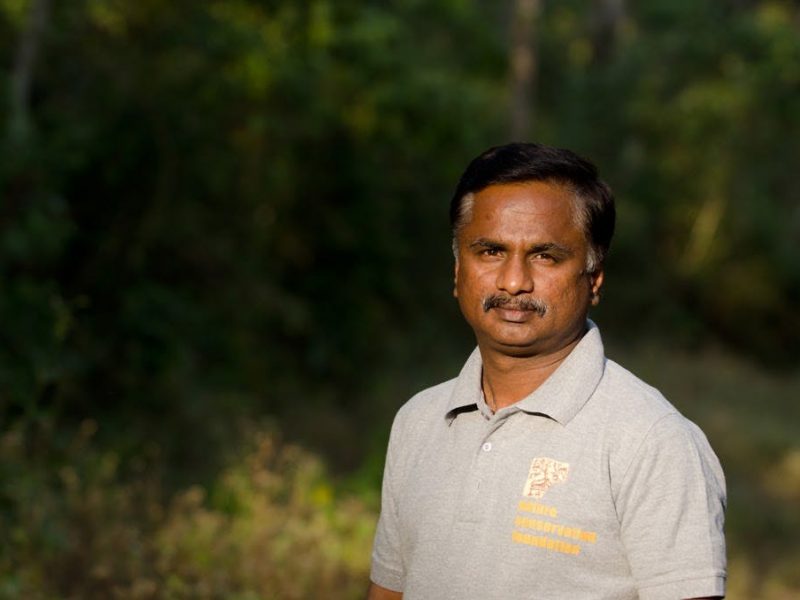
Ananda Kumar
Ananda Kumar is a scientist with the Nature Conservation Foundation, India. He leads the Anamalai Elephant Programme which aims to reduce conflict and increase people’s tolerance of elephants across two different landscapes in the Western Ghats, home to the largest elephant populations in India. His programme began in the Anamalai hills, where 70,000 people’s livelihoods rely on tea and coffee plantations and human fatalities from accidental elephant encounters pose a serious threat. He is now expanding his work to include the Sathyamangalam Tiger Reserve, a forest-farm landscape that supports subsistence farmers at risk of elephant crop damage.
