
- This event is over. However, time travel possible through our Audio & Video! See upcoming events
The East India Company
A legacy of rapacity
Speakers
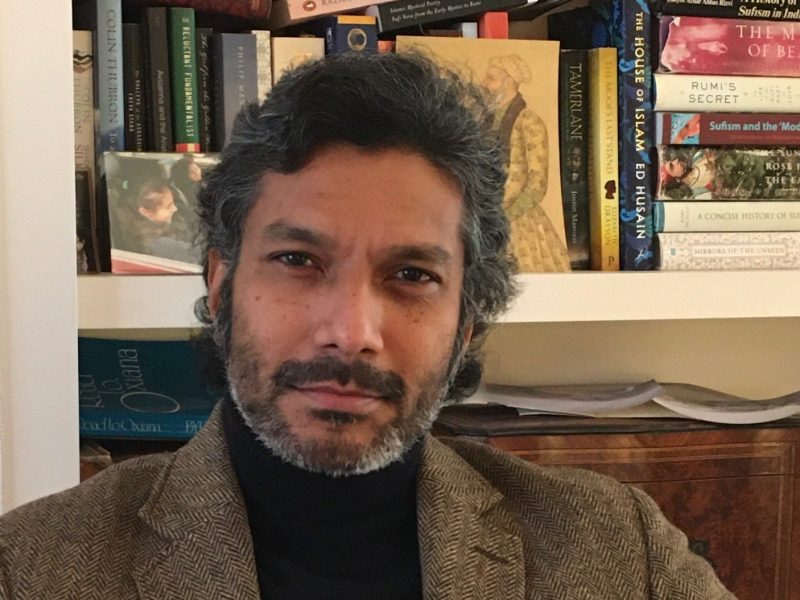
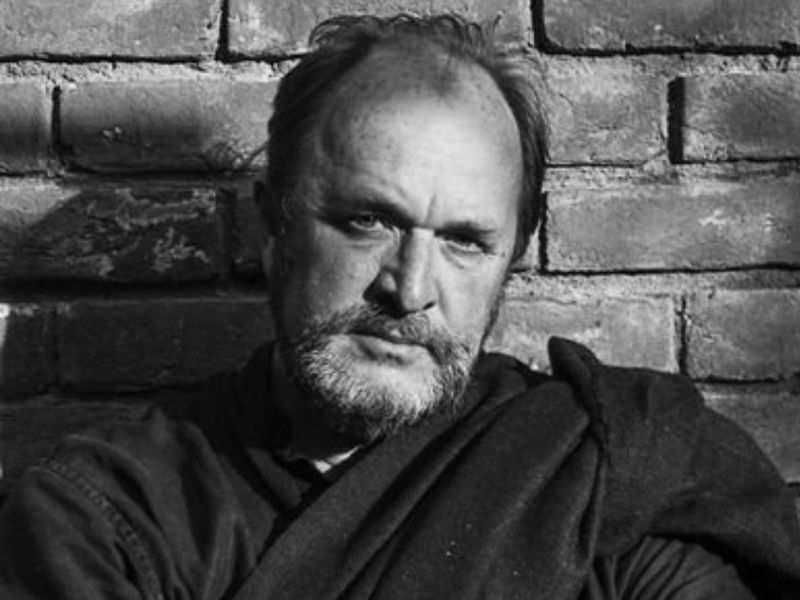
William Dalrymple and Moin Mir discuss ‘The East India Company – A Legacy of Rapacity’ through their books The Anarchy and Surat: Fall of a Port. Rise of a Prince.
William Dalrymple’s The Anarchy has been called ‘his most ambitious and riveting book to date’. It tells the story of the East India Company as it transitioned from being a ‘conventional international trading corporation dealing in silks and spices’ to ‘an aggressive colonial power in the guise of a multinational business’, ‘unfolding a timely cautionary tale of the first global corporate power’.
Richly researched, Dalrymple employs material from a range of languages to draw attention to the role of many important and often less-discussed characters and incidents that are crucial to the story. Using paintings as historical sources, he sets the scene for readers, taking them through the span of the subcontinent to culminate in the conquest of Delhi in 1803. As Maya Jasanoff says in her September 11, 2019 review of The Anarchy in The Guardian, the book ‘needs to be read to beat back the wilfully ignorant imperial nostalgia gaining ground in Britain and the poisonously distorted histories trafficked by Hindu nationalists in India. It needs to be read because with constitutional norms under threat in both countries, the defences seem more fragile than ever.’
The East India Company first entered India via Surat when its ships docked on the shores of this seaside city in the early 17th century. An example of the way the Company functioned in its ruthless greed for power and wealth is the annexation of the port of Surat and the violation of the Treaty it signed with the Nawab of Surat. The palaces, lands, jewellery and all that was part of the private estates of the Nawab were usurped leaving the infant granddaughters of the last Nawab on the brink of destitution. Moin Mir is a descendant of the last Nawab of Surat and next in line to succeed his father as Darbar of Kamadhiya, an erstwhile principality in Gujarat. In his book, Surat: Fall of a Port. Rise of a Prince, he tells the story of the legal battle that the father of the two young princesses fought, a tale of fortitude and romance, to defeat the Company and gain restitution.
In collaboration with the International Music & Arts Society.

Speakers
Moin Mir
Moin Mir is a Britain-based writer of Indian origin. He began his writing career under the influence of his grandfather, a scholar of Sufism, Ghalib and Omar Khayyam the 11th century Persian polymath. He is a descendant of the last Nawab of Surat and next in line to succeed his father as Darbar of Kamadhiya, an erstwhile principality in Gujarat.
SURAT: Fall of a Port. Rise of a Prince was his first book which traces the annexation of India’s greatest port by the East India Company and the riveting legal offensive led by the Prince of Surat in Victorian England and in the House of Commons. Dr. Shashi Tharoor described it as ‘A fascinating story of triumph and fortitude, reanimated in delightful prose, painstakingly crafted and richly researched.’ Mir writes regularly for leading newspapers and his contributory works as author includes Tales from the Life of Bruce Wannell published 2020 by Eland Publishing and Mirza Ghalib and the Mirs of Gujarat published by Rupa Publications in 2003.
William Dalrymple
William Dalrymple is the bestselling author of In Xanadu, City of Djinns, From the Holy Mountain, The Age of Kali, White Mughals, The Last Mughal and, most recently, Nine Lives. He has won the Thomas Cook Travel Book Award, the Sunday Times Young British Writer of the Year Award, the Ryszard Kapuscinski Award for Literary Reportage, the Hemingway Prize, the French Prix d’Astrolabe, the Wolfson Prize for History, the Scottish Book of the Year Award, the Duff Cooper Memorial Prize, the Asia House Award for Asian Literature, the Vodafone Crossword Award and has three times been longlisted for the Samuel Johnson Prize. In 2012 he was appointed Whitney J. Oates Visiting Fellow in Humanities at Princeton University. He lives with his wife and three children on a farm outside Delhi.
