
- This event is over. However, time travel possible through our Audio & Video! See upcoming events
The Beginning of the End of Design: Design at the End of the World
Part of the Series ‘Design History Now’
Speakers
The seductive allure of consumer culture has been made only possible through design; a formal, necessary, complementary role to its counterpart of functional. This has been design’s dominant mode, one whose collusion in the acceleration of capitalism, and consequently, the destructive impact of the anthropocene, cannot be denied.
This talk will historcise design as a discipline in order to contextualise its potential future directions, paying particular attention to how these might play out in India, with its promise of what has been glibly described as “the next billion users.” Padmini Ray Murray will draw on lessons she has learnt from her experiences and thinking around Design Beku, a design justice and digital rights collective she founded in 2018, to suggest provocations and challenges to how we might perceive and define design at this critical and crucial moment, and explore the tension between a more capacious understanding of what design could be as opposed to doing away with it altogether.
This talk is the fourth in Design History Now, a series exploring design histories that connect to our contemporary moment. The series brings together a selection of speakers who engage with design as a social, political and ecological agent, and consider how design is in turn shaped by these forces. The intention is to offer a vision of design history that is deeply critical in its approach, and in tune with its contemporary relevance and purpose.
In collaboration with:

Speakers
Padmini Ray Murray
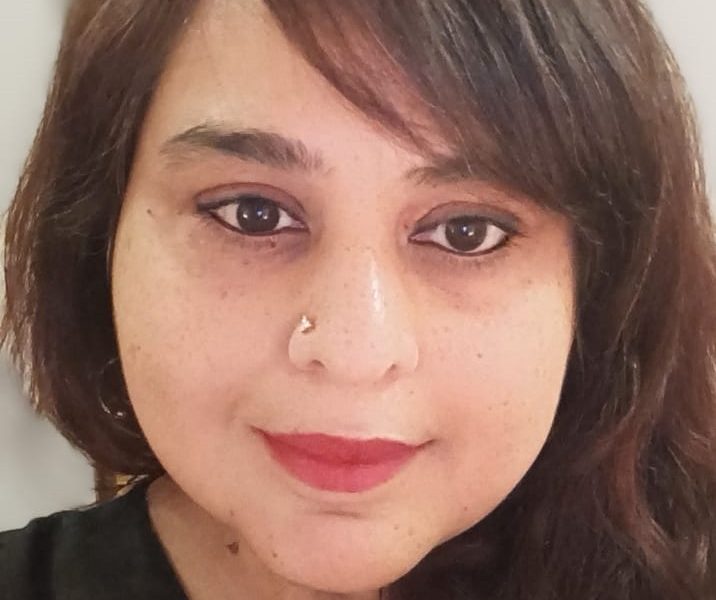
Dr. Padmini Ray Murray is a feminist designer, researcher and maker whose practice focuses on challenging acts of infrastructural and algorithmic violence by creating alternative digital spaces and imaginations. She founded Design Beku in 2018: a collective of researchers, artists, technologists and designers who work towards making design and digital practice more locally rooted, contextually relevant and ethical.
Padmini Ray Murray’s research-led practice focuses on challenging acts of infrastructural and algorithmic violence, and creating alternative digital spaces and imaginations that are characterised by feminist values, specifically an ethics of care. Her published work focuses on how corporate online spaces commit and perpetuate epistemological violence against the marginalised through collusions of infrastructure and the interface.
Nia Thandapani
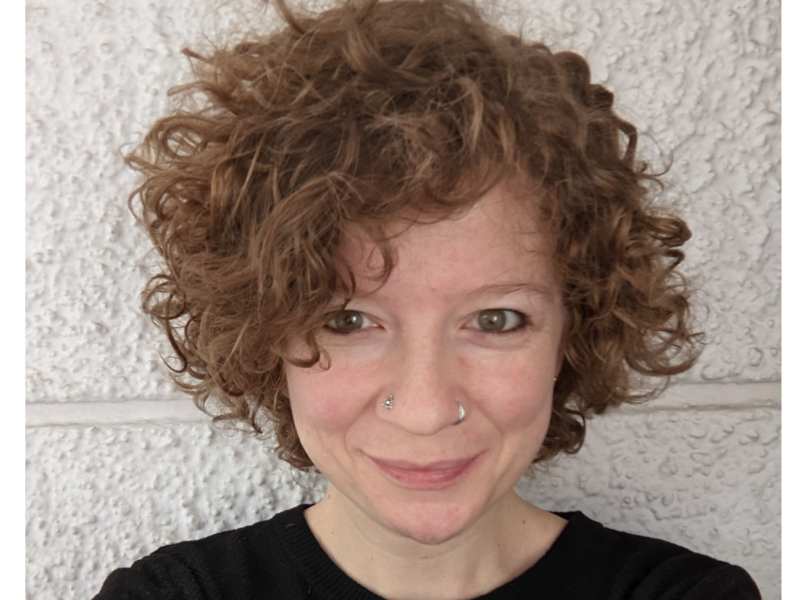
Nia Thandapani’s work focuses on colonial and post-independence design in the Indian subcontinent and the United Kingdom and engages with imperialism’s presence within museum and heritage spaces, and its impact on design practice and its outcomes. She is a co-founder of Chandigarh Chairs, a long-term project that works towards a critical re-evaluation of the history of Chandigarh’s modernist furniture. As part of the collaborative duo Studio Carrom, Nia was a 2019 artist in residence at the William Morris Gallery in London and co-created the exhibition Distant Fellowship which explored and problematised Morris’s connections with South Asia. Nia’s creative work includes artist books, alternative museum guides, exhibitions and installations and experimental zines.
