

- This event is over. However, time travel possible through our Audio & Video! See upcoming events
Policy Adda
A Platform for Critical Conversations
Facilitators
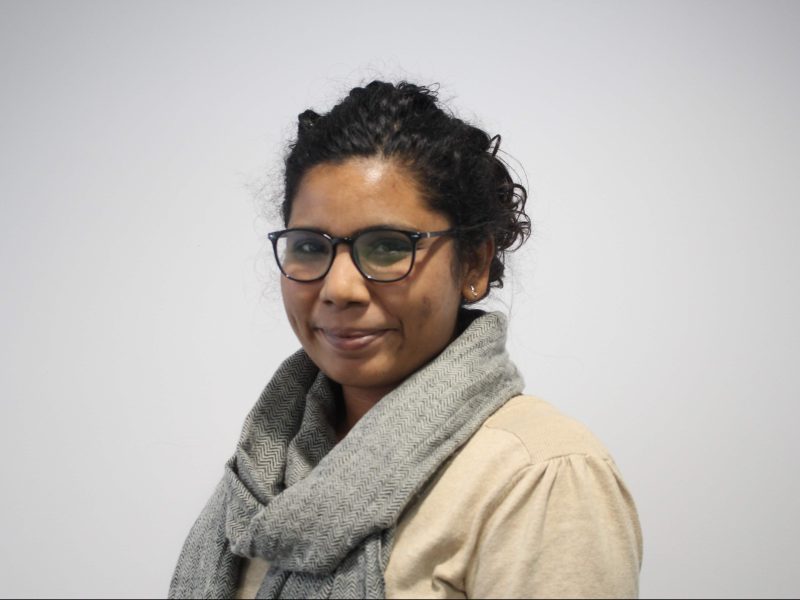
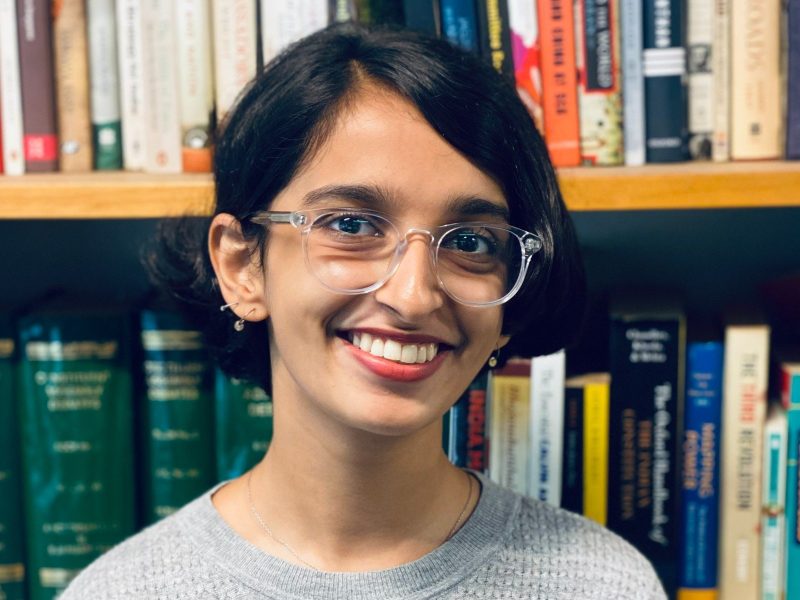
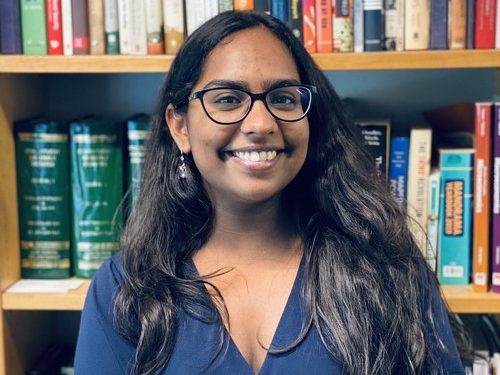
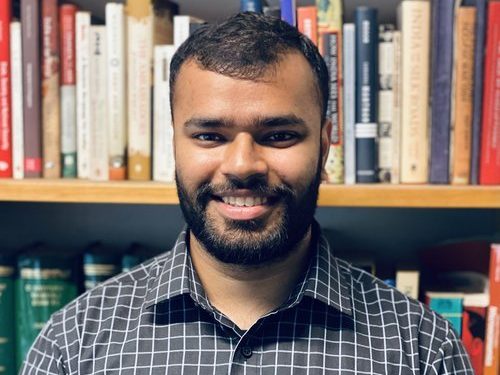
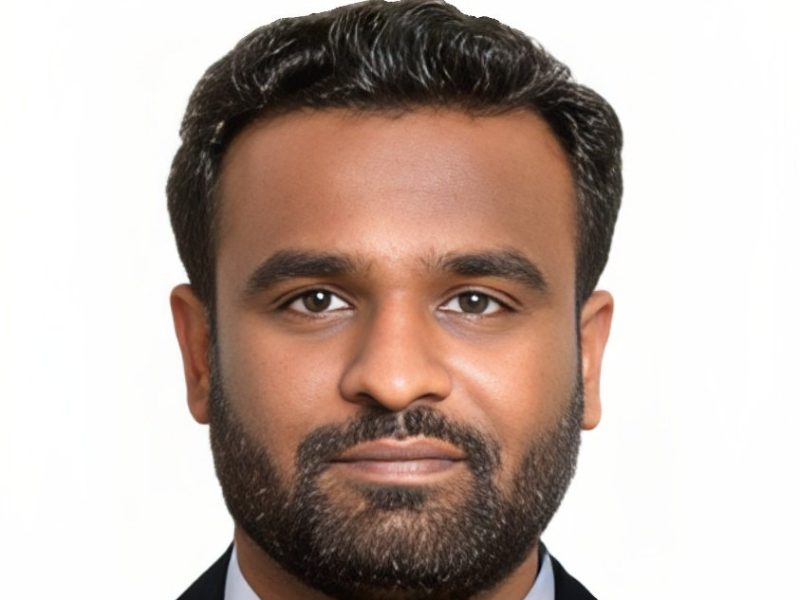
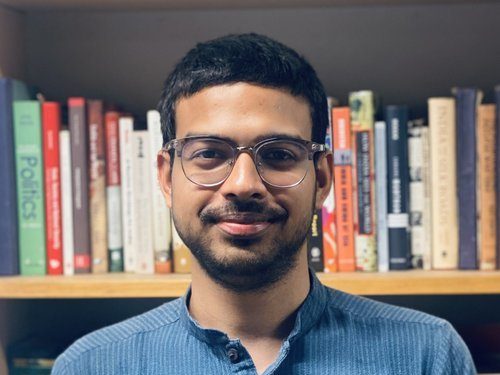
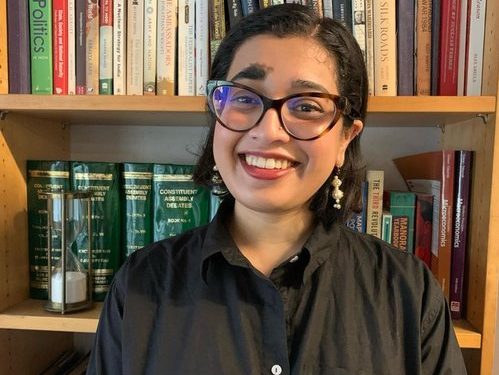
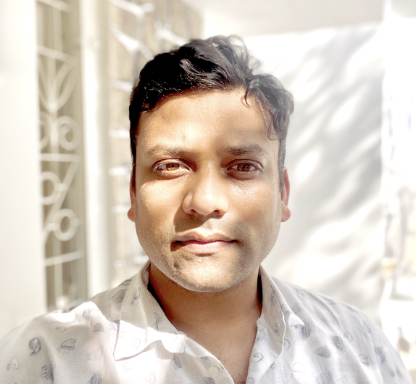
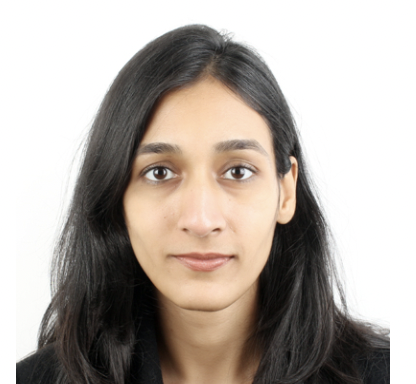
December 9th, Saturday
| Time | Event | Facilitator/Speaker |
|---|---|---|
| 11:00 am | Chasing Justice: Can Constitutions Deliver Justice? | Shruti Viswanathan |
| 11:30 am | Exploring Bail through Judicial Data | Leah Verghese, Smita Mutt & Nitin Ramesh |
| 12:30 pm | More Than Free Rides: Implications of Karnataka’s ‘Shakti Scheme’ | Ananya Desai |
| 3:00 pm | AI Governance for India | Satya Sahu, Rijesh Panicker & Anushka Saxena |
| 4:30 pm | India-China Trade: A Framework to Understand Dependencies and Vulnerabilities | Amit Kumar |
December 10th, Sunday
| Time | Event | Facilitator/Speaker |
|---|---|---|
| 11:30 am | Governing our Cities from Up Above | Dr Y. Nithiyanandam |
| 1:00 pm | The Quad in the Indo-Pacific | Bharat Sharma and Kripa Koshy |
| 3:00 pm | Public Parks in Karnataka: Access, Authority and Accountability | Akhileshwari Reddy, Manmayi Sharma, Sneha Priya Yanappa & Ankit Bhargava |
| 5:00 pm | Is a ‘One Nation One Election’ Model Prudent for India? | Ananya Desai |
December 9th, Saturday
11:00 am | Chasing Justice: Can Constitutions Deliver Justice? | Facilitated by Shruti Viswanathan
This workshop will explore the concept of justice through a constitutional lens. We will unpack the concept of justice and what that means in a deeply unequal society. The workshop will include an interactive simulation where participants will work with each other to build their version of a just society. The workshop will serve as a simulation for how law making and consensus building works.
No previous reading in law is required. The primary language of interaction for this workshop will be English.
11:30 am | Exploring Bail through Judicial Data | Leah Verghese, Smita Mutt & Nitin Ramesh
The news of Umar Khalid’s bail plea being adjourned to January was on the front page recently. This and other stories of denial of bail cast a harsh light on the arbitrariness surrounding undertrial detention and the discretionary nature of bail determinations in Indian courts.
Bail is a crucial legal process in India, allowing individuals accused of crimes to secure temporary release from custody before or during their trials. The basis of this right is constructed upon the logical adaptation of the principle of ‘presumption of innocence’ enshrined under Article 22 of the Constitution of India. Denial of the right to bail, therefore, results in limitation on life and liberty for an accused whose guilt is unproven and impacts their capacity to seek fair trial against any arbitrary detention.
The connection between these gaps in the bail system and its correlation to high rates of pretrial incarceration is corroborated by the data on prisons recorded by the National Crime Records Bureau, given that 77.1% of India’s prison population comprises undertrial prisoners (as of December 2021).
Although much has been written about undertrial detention and denial of bail there is very little data-based conversation on this subject. In this session, researchers from DAKSH will present insights from its recently launched High Court Bail Dashboard and raise questions about how bail is determined and administered. For non-lawyers DAKSH will also describe how judicial data is gathered and why it is useful. We will keep some time for the audience to ask us questions that they think can be answered by this dataset. We will try to steer the discussion beyond data to touch on communication between courts and prisons, how undertrial prisoners’ status is monitored and what happened to bail during the COVID-19 pandemic. We will also It will conclude with an open discussion on current policy attempts to reform bail and imagine the path forward.
12:30 pm | More Than Free Rides: Implications of Karnataka’s ‘Shakti Scheme’ | Facilitated by Ananya Desai
Karnataka’s ‘Shakti Scheme’ began offering free state bus transport to women in 2023. With the government’s focus on their financial empowerment, has the policy shown any success so far? What have been its outcomes? Join Ananya Desai in discussing the many implications of this scheme, both for the government and the women it seeks to empower.
3:00 pm | AI Governance for India | Satya Sahu, Rijesh Panicker & Anushka Saxena
December 10th, Sunday
11:30 am | Governing our Cities from Up Above | Dr Y. Nithiyanandam
1:00 pm | The Quad in the Indo-Pacific | Bharat Sharma and Kripa Koshy
Parks are important green spaces in our urban areas that not only improve human health and wellness, but also promote a sustainable quality of life for citizens and cities alike. Unfortunately, in the Garden City of India, parks at the neighbourhood level do not serve their residents very well. They lack basic amenities such as children’s play spaces, adequate lighting, sanitation facilities, and measures for maintenance of the same. These are reinforced by laws that lack clarity on governance responsibilities, efforts at data collection and identification of avenues for intervention.
In this setting, vulnerable urban residents such as persons with disabilities, invisibilised waste pickers and tired gig workers are excluded from accessing the health and recreational value of parks. Join us as we take you through our projects that unfurl three prominent dimensions: first, an analysis of park legislations pinpointing their deficits; second, a study on park accessibility for persons with disabilities, gig workers, and waste pickers; and third, an exploration of alternative, citizen-centric park management methods.
5:00 pm | Is a ‘One Nation One Election’ Model Prudent for India? | Facilitated by Ananya Desai
The idea of simultaneous Lok Sabha and State Assembly elections has been revived recently, and we are less than a year away from the next general election. With the debate centred around reducing electoral costs versus preserving the country’s federal structure, which should India prioritise? And what are the possible consequences of syncing electoral processes nationwide? Join Ananya Desai in discussing these critical questions.
In collaboration with
 .
. 
Facilitators
Shruti Viswanathan
Shruti is the founder of The Equals Project, an initiative that explores constitutional history and nation building. Shruti is a graduate of the National Law School of India University, Bangalore
Ananya Desai
Ananya Desai manages the GCPP (Defence & Foreign Affairs) programme at the Takshashila Institution. She has a degree in Liberal Arts with a specialisation in International Relations and Political Science from Christ University, Bangalore. She wrote her undergraduate dissertation on ‘Forms of Protest in India’, and is deeply interested in the convergence of policy studies and intersectionality.
Satya Sahu
Satya is a research analyst working with the High-Tech Geopolitics programme at Takshashila Institution. His research interests span a broad range of topics including Semiconductor Geo-Politics, Artificial Intelligence Regulation, and India’s Technology Law and Policy landscape.
Rijesh Panicker
Anushka Saxena
Amit Kumar
Y. Nithiyanandam
Dr Y. Nithiyanandam is a professor and the head of the Takshashila Institution’s Geospatial Programme. He is working on several themes in defense and national security. He possesses a doctorate in urban spatial informatics and has 14 years of academic and research experience in geoinformatics. His research interests include advanced remote sensing and image processing, GIS analytics, urban and ocean informatics, and geo-intelligence.
Bharat Sharma
Bharat is a Research Analyst working with the Indo-Pacific Studies Programme at Takshashila, where he studies the role of the Quad and its place in the Indo-Pacific, along with functional interests in the Indian Ocean Region and maritime security. He studied Philosophy and International Relations at Ashoka University.
Kripa Koshy
Kripa Koshy is a Programme Manager (for the Post Graduate Programme in Public Policy) at the Takshashila Institution. She has previously worked with the public and third sector. She holds a Bachelors in International Development Studies from McGill University and a Masters in Public Administration from Queen’s University.
Ankit Bhargava
Ankit is a co-founder at Sensing Local, based in Bengaluru, which works at the intersection of urban planning and governance to tackle civic and environmental challenges in cities. His core focus is using systems thinking, participatory processes and visualisations to unpack wicked problems. He has over 13 years of experience working on projects across thematics, such as air pollution, sustainable mobility, water management, way-finding systems and urban governance.
Sneha Priya Yanappa
Sneha is a Senior Resident Fellow at Vidhi Centre for Legal Policy, Karnataka. Prior to joining Vidhi, Sneha graduated with B.A. L.L.B degree from Symbiosis Law School, Pune in 2018 and obtained her BCL degree from University of Oxford in 2019, as a J.N Tata Scholar and K.C Mahindra Scholar. Her areas of interest include constitutional law, international humanitarian law and human rights law. At Vidhi, she works on issues of urban development, municipal governance and education. She also regularly writes on various issues that concern city governance, the environment and access to public spaces.
Manmayi Sharma
Manmayi is a Senior Resident Fellow working with the Disability (Inclusion and Access) team. Manmayi is a graduate of the National University of Advanced Legal Studies, Kochi (2016). Prior to joining Vidhi, Manmayi worked at the law firm of Dhir & Dhir Associates, where she litigated and provided advisory services to various clients in matters pertaining to the Insolvency and Bankruptcy Code. She has also previously worked with the Centre for Law and Policy Research, where she litigated in the areas of public health, women’s rights and rights of disabled.
Akhileshwari Reddy
Akhileshwari Reddy is a Senior Resident Fellow at Vidhi Centre for Legal Policy, Karnataka. She holds a B.A., L.LB (Hons.) degree from the West Bengal National University of Juridical Sciences (WBNUJS, Kolkata) and an LL.M from the London School of Economics and Political Science. At Vidhi, her work primarily focuses on improving the legal landscape governing urban governance, sanitation and socioeconomic rights in India.
