
- This event is over. However, time travel possible through our Audio & Video! See upcoming events
Nature Without Borders
Inclusive Frameworks for Conservation in India
Participants

‘Nature without Borders’ is centered around the theme of discussing and exploring the participative protection of areas for conservation, beyond the conventional and exclusive legal framework of traditional protected areas (National Parks and Wildlife Sanctuaries), that has existed for decades.
Across India there are innumerable examples of sustainable management of common spaces by the local people. These traditional mechanisms of conserving spaces are often deeply rooted in the communities’ relationship with nature that has evolved over generations, and is deeply entwined with their socio-cultural values, socio-economic structures, and belief systems.
This event seeks to recognize, celebrate and reinforce the importance of these systems.
Presented by Wildlife Conservation Society – India.
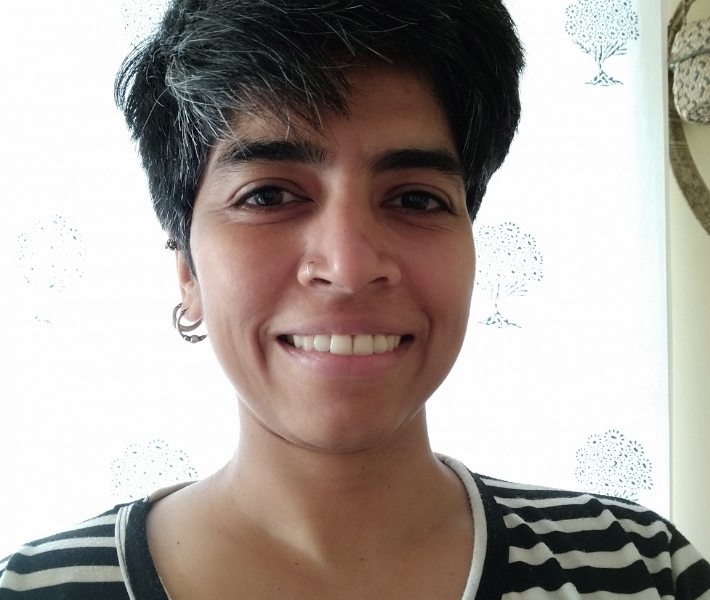
| 17:00 – 17:15 | Introduction to the event by Dr. Vidya Athreya (Director, Wildlife Conservation Society – India) |
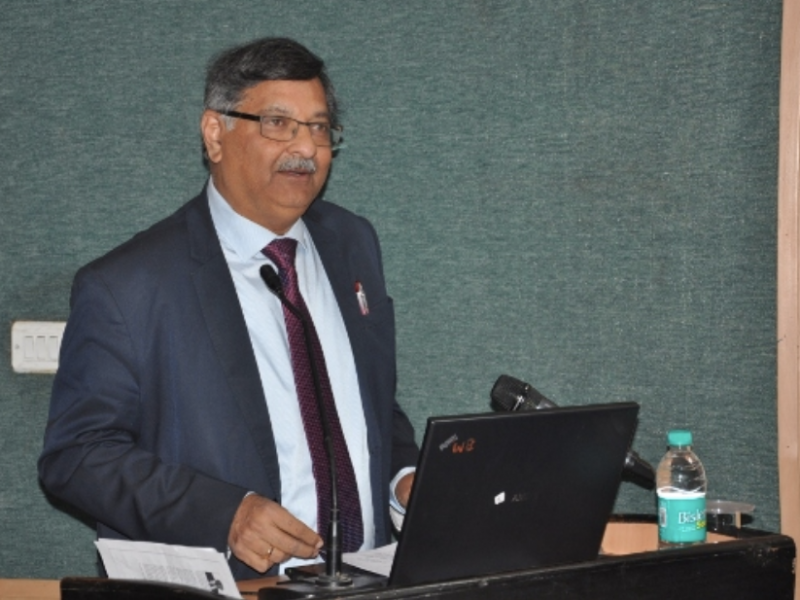
| 17:15 – 17:45 | The journey of implementing OECMs in India: A talk by Dr V.B. Mathur (Former Chairperson, National Biodiversity Authority) |
| 17:45 – 18:15 | Living with Forests – Rights-based biocultural conservation in Arunachal Pradesh: The Idu Mishmi community of Dibang Valley |
| 18:15 – 19:15 | Panel discussion: Exploring inclusive frameworks for conservation in India
Moderator: Panelists: |
| 19:15 – 19:45 | Tea and Interactions |
| 19:45 – 20:30 | Celebrating the Thar desert and Orans of Rajasthan: A musical performance by the Manganiyars Gazi Khan Barna |
| 20:30 – 20:45 | Concluding remarks by Dr. Vidya Athreya |
Participants
Vinod B. Mathur
Dr. Mathur served as the Dean and then as the Director of the Wildlife Institute of India, Dehradun. During his tenure as the Chairperson of the National Biodiversity Authority (NBA), Chennai, he played a crucial role in drafting the OECM guidelines, towards the 30 x 30 targets. Dr. Mathur has also been the Chair of the UN-CBD Informal Advisory Group for developing synergies between seven biodiversity- related conventions. His area of interest includes biodiversity governance and management, including international negotiations on biodiversity issues.
Dr. Mathur will provide his insights on the new and inclusive OECM framework for conserving India´s diverse landscapes and seascapes.
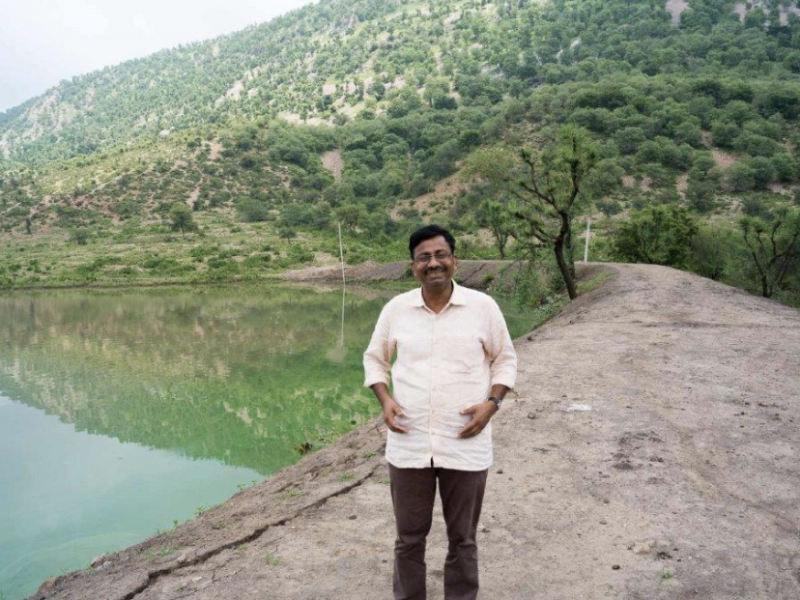
The Dibang Team
The Dibang Team are a group of Indian scholars and local people (Sahil Nijhawan with Chamali, Eja, Timai, Iho, Aito, Moniya, Regon, Ngapi, and Achili) from the Idu Mishmi indigenous community of the Dibang Valley, Arunachal Pradesh, India. For the past 10 years, they have been conducting extensive research on Dibang Valley’s biological and cultural diversity, and the interlinkages between the two. In December 2020, based on the findings of their long-term research, emerging threats and local priorities, they launched a locally-led, collaborative, rights-based biocultural program that seeks to strengthen Idu cultural and traditional institutions to allow for the continued existence of Dibang’s biocultural diversity.
Gazi Khan Barna
The Manganiyars are world-renowned folk musicians of the Thar desert, hailing primarily from the Barmer and Jaisalmer districts of Rajasthan. Their songs celebrate the culture and history of the desert, and are passed on with each successive generation.
They sing about a wide range of subjects including the desert, harvesting, love, battles, folk history, and nature, expertly blending their cultural identities to create a mosaic of Sufi and folk music. Amongst the many stories they sing, are those of the ‘orans’ – community-managed natural spaces that are considered sacred by the communities of Rajasthan. Each oran traditionally includes a water body, and large green spaces that support rich biodiversity. The socio-cultural identity of these communities is deeply intertwined with the orans, and their conservation is extremely important to them. Orans are believed to be sacred areas, blessed by a devi or devta, and the Manganiyars often
sing to serenade and thank them.
The musicians performing at this event are led by Janab Gazi Khan Barna, a world-renowned artist who hails from Barna village in Jaisalmer, and has won multiple accolades, including the prestigious Rajasthan Sangeet Natak Akademi Award, and Pt. Manmohan Bhatt Lifetime Achievement Award.
Aarthi Sridhar
Aarthi Sridhar is a founder trustee of Dakshin Foundation and heads its Communities and Resource Governance Programme. Her academic interests include a diverse range of socio-legal and historical studies, with a focus on marine and coastal environments, environmental justice, and policies regulating resource use. With her combined focus on the history, sociology and fisheries in India, Aarthi has researched and produced documentaries on fisheries, field manuals, and learning material on marine environments.
Aman Singh
Aman Singh founded Krishi Avam Paristhitiki Vikas Sansthan (KRAPAVIS) in 1992, and has since been spearheading efforts for the regeneration of orans (community conserved areas) in Rajasthan. Relying on citizen science, policy analysis and advocacy, and community awareness, he has overseen therestoration of hundreds of orans.
KRAPAVIS is a member of the Indigenous and Community Conserved Areas (ICCA) Consortium.
Neema Pathak-Broome
Neema Pathak-Broome is a member of Kalpavriksh and coordinates the Conservation and Livelihoods Programme. She works on issues related to governance, policy analysis, management, and the conservation of biodiversity, with a strong focus on studying, documenting, and popularizing community conserved areas (CCAs). Neema was part of efforts to assist the Ministry of Environment and Forests and Climate Change (MoEF&CC) draft a set of guidelines to identify and support CCAs in India.
Kalpavriksh is a member of the Indigenous and Community Conserved Areas (ICCA) Consortium.
