

- This event is over. However, time travel possible through our Audio & Video! See upcoming events
Nationalism and Culture
Reflections from Tagore
Speakers

What does it mean to remember Tagore today?
Not as ritual, but as reckoning. In a world marked by conflict, his critique of nationalism feels urgent. He warned against power without conscience, and progress without moral anchor. Like Gandhi’s “eye for an eye,” Tagore spoke against forms of nationalism that erode the values they claim to protect. For him, a nation drew strength from moral courage, education, and inner freedom. Its purpose was the welfare of humanity.
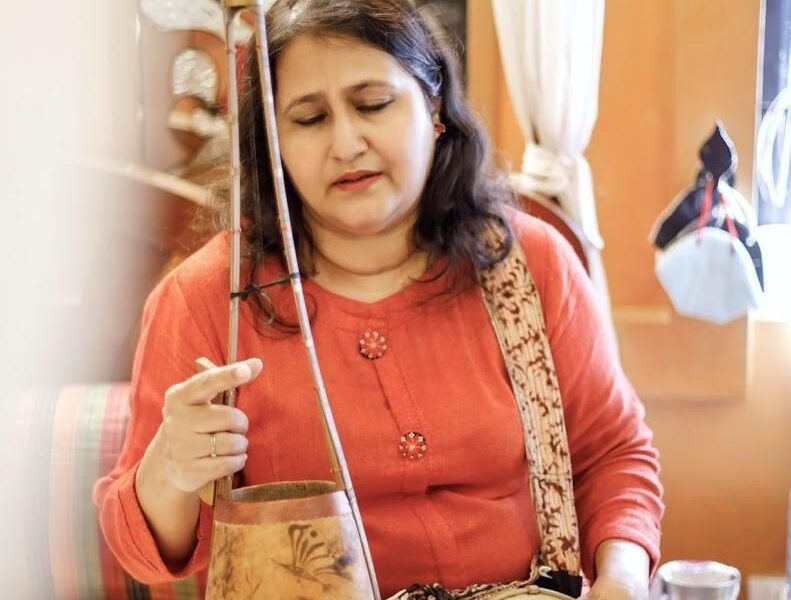
Marking his birth anniversary, this evening brings together Tagore scholars to reflect on his global outlook and humanist vision. The programme also weaves in music, with Rabindra Sangeet and Baul compositions rooted in the Sahajiya tradition, an inward path to spiritual realisation. Drawing from a shared cultural inheritance across Bengal, these songs echo Tagore’s engagement with Baul philosophy and its search for liberation.
The evening concludes with an audience Q&A.
Speakers
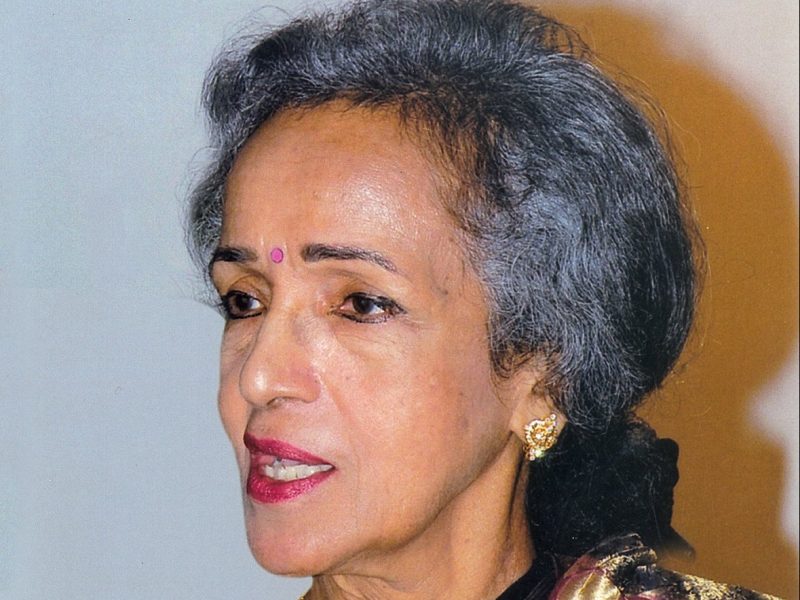
Achala Moulik
Achala Moulik received her education in Washington, New York, London and Rome, where her parents were posted on diplomatic assignments. She graduated from London University with a degree in Economics, History, International Relations and International Law. In the Indian Administrative Service she served as Director General of the Archaeological Survey of India and Education Secretary, Government of India, when the national education programme, Sarva Shiksha Abhiyan was formulated.
She has published books on the political and cultural history of Russia, Italy and Spain; several books on Indian monuments and sites and World Heritage Monuments; biographies of Rabindranath Tagore, Lev Tolstoy, her parents and husband; brief biographies of Bankim Chandra Chattopadhyay, Tagore, Pushkin, and Solzhenitsyn jointly with her mother, aunt and sister . Her play Pushkin’s Last Poem was performed in Moscow, St Petersburg, New Delhi and Bangalore.
Achala Moulik was invited to Moscow to receive the prestigious Pushkin Medal from the Russian President, and the Sergey Yesenin Prize from the Russian Ministry of Culture. She is a member of the jury for awarding the Leo Tolstoy International Peace Prize.
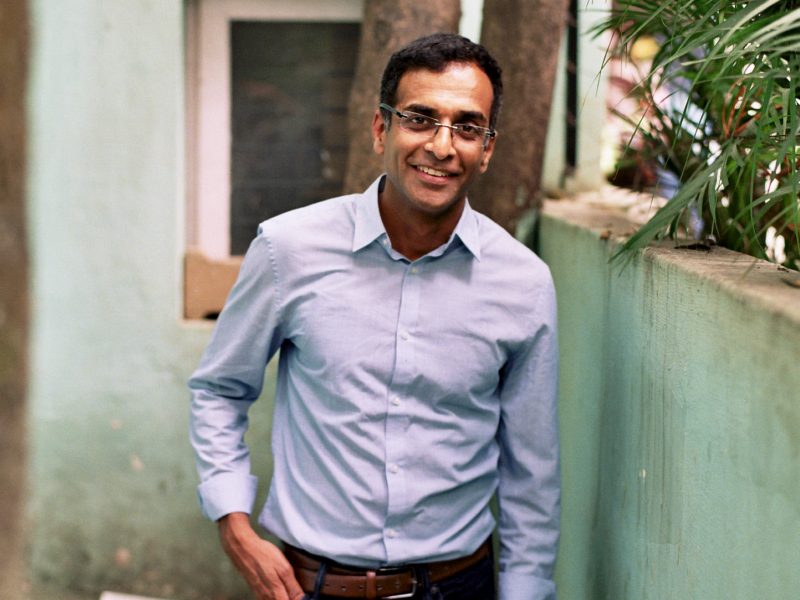
Chiranjib Sen
Chiranjib Sen is a Distinguished Professor in Economics and Public Policy at the School of Liberal Studies at BML Munjal University. He was the founding Chairperson of the Centre for Public Policy (CPP) at IIMB. He has been associated with a number of academic institutions in India and abroad. These include: Professor at the Centre for Development Studies, Trivandrum; Harry Reynolds International Visiting Professor at the Wharton School, University of Pennsylvania; Visiting Scholar, Maxwell School for Citizenship and Public Affairs, Syracuse University; Visiting Scholar, Harvard Institute of International Development; and Visiting Professor, Vassar College.
He has been an independent Director of Indian Overseas Bank, and is on the board of KIOCL Limited. He was the first Indian to serve as President of the Shastri Indo-Canadian Institute (SICI), which is a network of Indian and Canadian higher education institutions. He was a member of the Task Force on Faculty Shortage and Design of Performance Appraisal Systems, MHRD, Government of India, 2011.
A deep admirer of Rabindranath Tagore, Prof Sen reviewed the book “Rabindranath Tagore –The best of Tagore “ (Everyman’s Library ) edited by Rudrangshu Mukherjee for The Wire (January 1,2024) .
Arvind Narrain
Arvind Narrain is a lawyer and writer, currently visiting faculty at the National Law School. He is the author of India’s Undeclared Emergency: Constitutionalism and the Politics of Resistance, and co-editor of Because I Have a Voice: Queer Politics in India and Law Like Love: Queer Perspectives on Law. As part of the legal team challenging Section 377 from the High Court to the Supreme Court, he has been a key voice in India’s queer rights movement.
