

- This event is over. However, time travel possible through our Audio & Video! See upcoming events
How the Partition Reshaped Indian Politics
The ‘Architecture of Hate’ and the Rise of Majoritarianism in India
Speakers
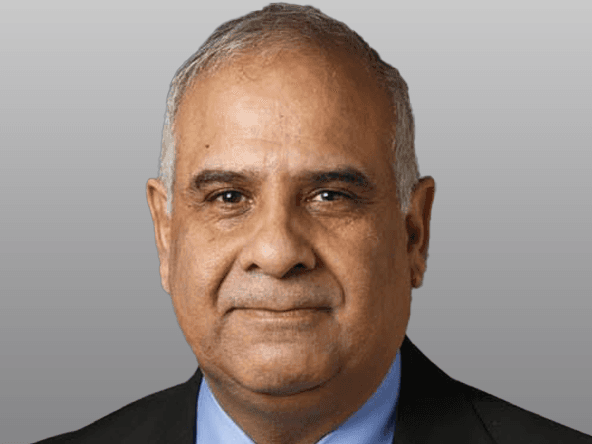
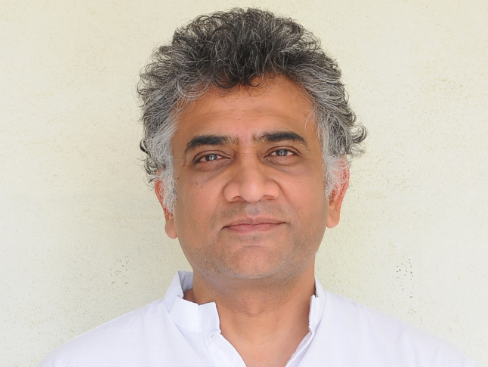
The early republic chose liberty over equality, and Heartland Rising argues that it was the wrong choice.
In this session Javed Gaya presents his book, a searing examination of the forces driving India’s contemporary majoritarian turn, followed by a discussion with Aakar Patel on liberty and equality.
From the upheavals of the 1940s, including Partition and the framing of the Constitution, to the present, Gaya revisits a foundational debate: should India be anchored in liberty, defined as “one man, one vote,” or equality, understood as meaningful political representation for minorities in a federal structure? He argues that the early republic’s choice of liberty over equality is why contemporary India now finds itself with neither. Gaya maps how Partition and the elevation of the Hindi heartland reshaped India’s social and economic trajectory, amplifying caste and communal divisions, weakening the judiciary and federalism, and narrowing the space for pluralism.
Venue: Library
Speakers
Javed Gaya
Javed Gaya is a lawyer from Mumbai specializing in commercial arbitration law. He studied jurisprudence at the University of Oxford and has taught law at colleges affiliated with the University of Mumbai. He contributes to various publications on topics including constitutional law, history, and foreign affairs, and writes book reviews.
Aakar Patel
Aakar Patel is a syndicated columnist who has edited English and Gujarati newspapers. His books include Why I Write, a translation of Saadat Hasan Manto’s Urdu non-fiction (Tranquebar, 2014); Our Hindu Rashtra: What It Is. How We Got Here, a study of majoritarianism in India and Pakistan (Westland, 2020); Price of the Modi Years, a history of India after 2014 (Penguin Random House, 2021); The Anarchist Cookbook, a guide on why and how to protest (HarperCollins, 2022); and the novel After Messiah (Vintage, 2023).
