
- This event is over. However, time travel possible through our Audio & Video! See upcoming events
Green or Gone?
Development Projects & their Impact on Bengaluru’s Environment
Speakers



The existing state of urban biodiversity, environment and natural heritage in Bengaluru is a matter of urgent concern. The impact of ecological degradation is already felt in the city – for instance, monsoons in Bengaluru seem to be inevitably accompanied by the grim news of numerous areas in the city getting flooded. It is notable that many of these sites are found in large layouts and real estate projects built in valley zones and adjacent to lakes or rajakaluves. A favoured market for the real estate sector, Bengaluru has witnessed an increase in built-up areas that have replaced the city’s once green cover and wildlife habitats.
While it is clear that construction projects are affecting the city’s ecology and biodiversity, leading to worsening pollution and exacerbating climate change, it is worth examining whether processes such as the Environment Impact Assessment (EIA) and Environment Management Plan (EMP), designed to protect Bengaluru’s ecology, are working as intended. A project of 20,000 sqm built-up area or more needs to get an environmental clearance from the state, along with all the other permissions from BBMP, BWSSB etc., and the State Environment Impact Assessment Authority (SEIAA) is the agency responsible for giving Environment Clearance (EC) to projects in Bengaluru. Reports show that these processes face significant issues in their implementation, which over the years has culminated into the current status quo (such as the standard copy-pasting of information in forms submitted as part of the EIA process, as reported in Citizen Matters).
In collaboration with:


Speakers
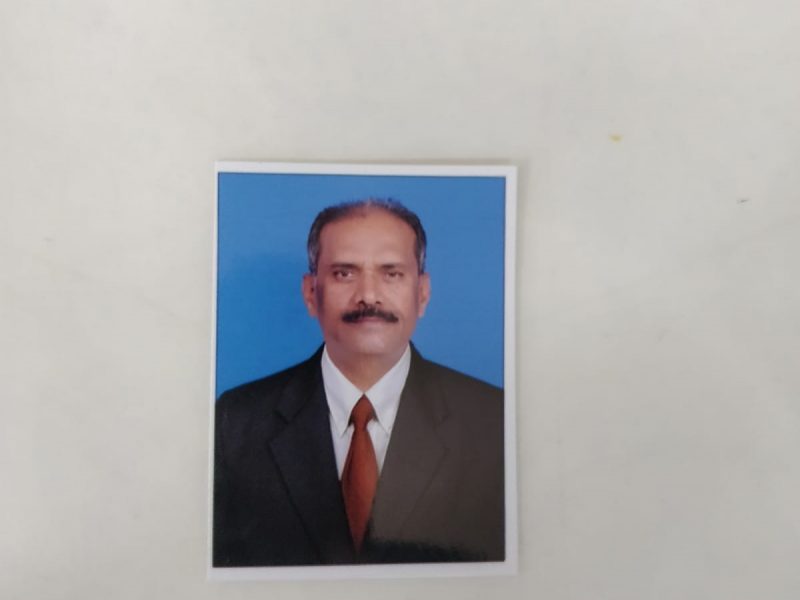
K C Jayaramu
Dr. Jayaramu has a Bachelors Degree in Civil Engineering and a Ph.D. in Environmental Engineering from Bangalore University. He specialized in water and wastewater monitoring technologies.
He has taught at the Bangalore Institute of Technology, Bangalore since 1991. He has served as Chairperson of the State Environmental Impact Assessment Authority, Government of India and has been Member, State Environmental Appraisal Committee, Government of India.
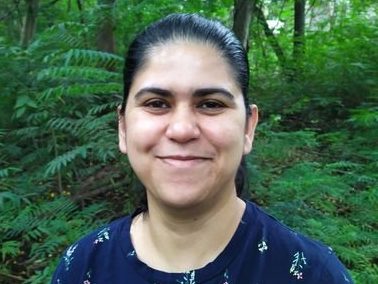
Ulka Kelkar
Ulka Kelkar is Director, Climate program, WRI India. She is an economist with two decades of experience in climate change research, capacity building and outreach. She leads WRI India’s work on climate policy which aims to support India’s pathway to a climate-resilient low-carbon economy through judicious national policies, carbon market mechanisms, and effective implementation in states and cities.
Before joining WRI India, Ulka worked as a consultant climate assessment specialist for the Asian Development Bank, and as a research fellow with The Energy and Resources Institute (TERI) and Ashoka Trust for Research in Ecology and the Environment (ATREE). She conducted field research in seven Indian states to assess how rural communities can adapt to climate change. She collaborated with architects and financial analysts to devise business models for low-cost climate-resilient housing in disaster-prone regions of Bangladesh and Nepal. She used behavioural economics to understand what might motivate urban households to switch to renewable energy technologies. She has worked with the corporate sector on measuring greenhouse gas emissions and developing clean development mechanism (CDM) projects. Her policy contributions include the South Asian Association for Regional Cooperation (SAARC) roadmap for regional cooperation on climate change, National Strategy Study on CDM in India, Maharashtra State Action Plan on Climate Change, and the first national communications of India and Bhutan to the United Nations Framework Convention on Climate Change (UNFCCC). Her research has been published in journals like Annual Review of Environment & Resources, Global Environmental Change, Climate Policy, and Mitigation & Adaptation Strategies for Global Change.
She has a master’s degree in economics from Jawaharlal Nehru University, New Delhi.
She lives in Bangalore with her husband and daughter.
Mohan S Rao
Mohan S Rao, an Environmental Design & Landscape Architecture professional, is the principal designer of the leading multi-disciplinary consultancy practice, Integrated Design (INDÉ), based in Bangalore, India. His core expertise is in the field of environmental design, regional planning and landscape architecture with a strong focus on sustainable practices in city & regional planning, disaster management, heritage conservation and master planning. He is involved in research and design programs in the sub-continent, China, France, Italy, Morocco and Libya and Colombia. Mr. Rao has international and national research initiatives engaged with varied issues such as bio diversity and ecosystem services, climate change and passive design; low impact development & city planning. Mr. Rao’s work has been published in several leading international and national journals. He is the recipient of several awards instituted by UNESCO, IFLA, HUDCO, etc
Bhanu Sridharan
Bhanu is an independent journalist based in Bangalore, India. She has an undergraduate degree in communication studies and literature and a Masters degree in wildlife biology and conservation. In the past, she has worked as a field biologist, studying mangrove forests in the Andaman Islands and with an organization involved in hornbill conservation in northeast India.
These stints in research and conservation have shaped her interest in environmental journalism and communicating ecological research to more people. She has written for online and print media and short films and is exploring other forms of digital media to reach as many people as possible. Any story related to nature excites her.
When not writing, she likes to travel to beautiful places, watch wildlife and manage her dog’s busy schedule.
Meera K
Meera K co-founded Citizen Matters, an award-winning civic media platform focusing on critical urban issues, ideas and solutions for cities. Citizen Matters empowers citizens with the knowledge, understanding and tools to make cities sustainable, equitable and liveable.
Meera helped initiate Open City, an urban data platform. She is the founder trustee at the Oorvani Foundation, a non-profit working on civic media, open data and citizen engagement. Meera is also an Ashoka Fellow, recognised for her work building open knowledge platforms that allow citizens to collaborate and improve their cities.
Debadityo Sinha
Debadityo Sinha is a Senior Resident Fellow at Vidhi Centre for Legal Policy and leads the ‘Climate & Ecosystems’ initiative. His research interest lies in the intersection of ecology, law, and policy. He is a recipient of the Sanctuary Wildlife Service Award 2019 for his conservation initiatives in lesser known wilderness areas of Uttar Pradesh. He is also a member of the IUCN Species Survival Commission – Bear Specialist Group and EKO Energy network, Helsinki.
