
- This event is over. However, time travel possible through our Audio & Video! See upcoming events
Decoding the Language of a Cinematic Polymath
A Girish Kasaravalli Retrospective
Speakers
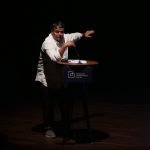
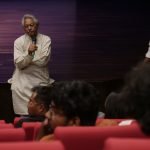
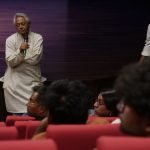
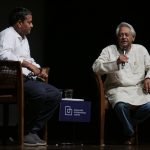
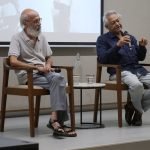
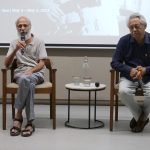
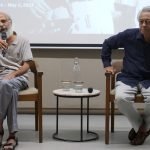
A new cinema movement emerged in India in the late 1960s with a proposition for artistic cinema not influenced by any considerations other than creative and aesthetic. The promise of this movement, known variously as “Indian New Wave”, “New Cinema” or “Parallel Cinema” was that conscientious filmmakers will make cinema which will bear the distinct stamp of the creative artist and not that of a studio. In form and aesthetics, the new wave aimed to reject the forms and values of commercial cinema which relied on the stars, the gaudy sets, many irrelevant musical sequences and melodrama. This movement attracted many young artists who went on to become well-known auteurs. Indian new wave’s body of work, spanning close to three decades, charted a new course in cinema aesthetics with its zealous attempts to experiment with the language of cinema. At the same time, the new wave auteurs’ steadfast political commitment resulted in a critical examination of the complexities of India’s socio-political realities.
It is important to point out that there was no formal process or a formally run operation for this movement. Although the initial impetus to the movement came from the loans provided by the Film Finance Corporation, the passion to make artistic cinema, fuelled by the newly trained filmmakers from the Film and Television Institute of India, spread to different parts of the country.
In the Kannada language, serendipitously, the first artistic attempt to break free from reigning commercial filmmaking practices came in 1970 when Pattabhirama Reddy produced and directed Samskara – at approximately the same time when the Film Finance Corporation was funding what are considered as the first three films of the Indian new wave: Uski Roti, Ankur and Sara Aakash. Samskara’s success was followed by a few other experiments by filmmakers such as Girish Karnad, N Lakshminarayan and BV Karanth.
But the one auteur who went on to make some of the most influential and groundbreaking films and put Kannada cinema on the world map was Girish Kasaravalli.
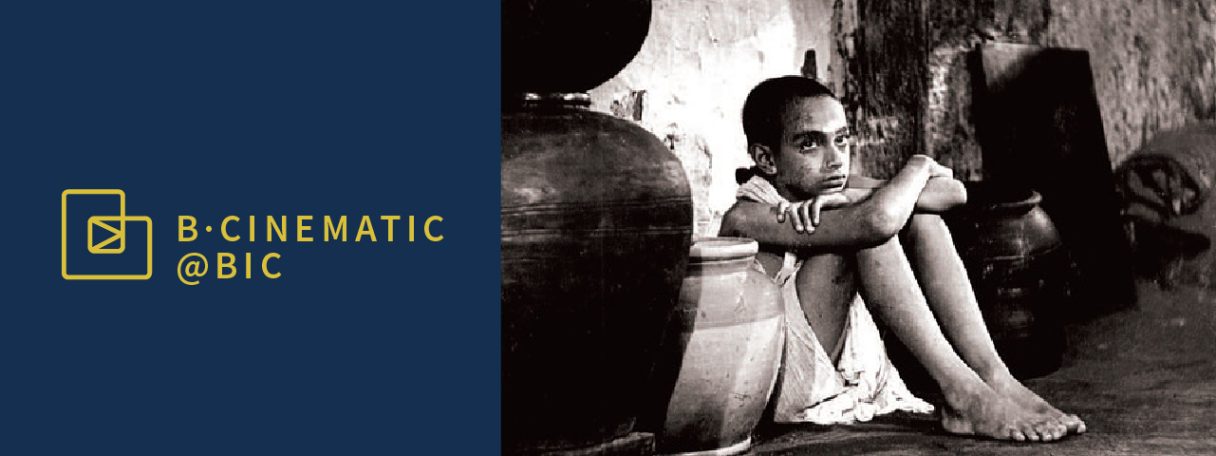
Girish Kasaravalli graduated from the Film and Television Institute of India in 1975, and his first film as a Director was Ghatashraddha (1977). In the last 47 years since, Girish’s body of work – 17 feature films and one television series – has critically engaged with the social, political, ideological, philosophical and environmental concerns of the Kannada society and, in a larger sense, of India. Kasaravalli’s films have won him four Golden Lotuses (National Award for best feature film from the Government of India), a Padma Shri and many other awards and recognitions in film festivals across the world.
Today, when we have access to a variety of content at our fingertips, it is essential to engage with the work of Girish Kasaravalli and learn his remarkable mastery of the formal, aesthetic and thematic aspects of filmmaking and understand his contributions to film art..
In this retrospective of Girish Kasaravalli, we screen five of his films and also have conversations with him and other collaborators after each screening.
| Event | Date | Time |
| Introduction and Context Setting | Saturday, May 4 | 2:30 – 2:45 pm |
| Ghatashraddha (The Ritual)
108 mins | Kannada with English subtitles | 1977 |
Saturday, May 4 | 2:45 – 4:45 pm |
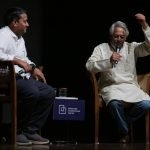
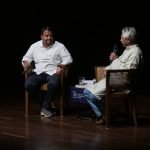
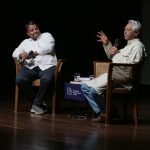
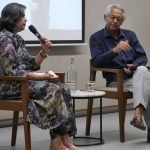
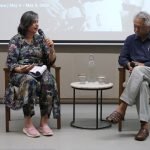
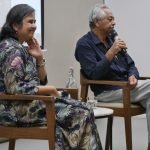
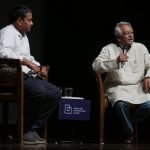
| Girish Kasaravalli in conversation with Basav Biradar | Saturday, May 4 | 5:30 – 6:30 pm |
| Thaayi Saheba
119 mins | Kannada with English subtitles | 1997 |
Saturday, May 4 | 7:00 – 9:00 pm |
| Introduction and Context Setting | Sunday, May 5 | 10:30 – 11:00 am |
| Gulabi Talkies
118 mins | Kannada with English subtitles | 2008 |
Sunday, May 5 | 11:00- 1:00 pm |
| Koormavatara
115 mins | Kannada with English subtitles | 2011 |
Sunday, May 5 | 2:30 – 4:45 pm |
| Girish Kasaravalli in conversation with Nikhila H | Sunday, May 5 | 5:30 – 6:30 pm |
| Kanasemba Kudareyeneri
105 mins | Kannada with English subtitles | 2010 |
Sunday, May 5 | 6:45 – 9:00 pm |
B-Cinematic
Calling all cinephiles! BIC is thrilled to introduce B-Cinematic, an initiative dedicated to celebrating the most essential, impactful, and artistically significant cinematic works from across the state and the country.
At B-Cinematic, our mission is to curate and share those remarkable films that is a must-watch (or re-watch) experience for every passionate cinema lover. From groundbreaking classics to under-appreciated gems, our carefully curated selection will take you on an unparalleled (pun not intended) cinematic journey through the ages.
Through curated screenings, insightful discussions, and engaging analyses from distinguished cinematic voices, we aim to not only watch these films together but to truly appreciate their craftsmanship, cultural impact, and intellectual depth. Our vibrant community of film aficionados will collectively rediscover Indian cinema’s most stunning and enduring masterpieces.
So join us on this quest to experience the films that have defined and redefined the art form. Don’t miss out on crossing these essential works off your bucket list. Because to truly live, you must first watch the films that make life worth living.
Speakers
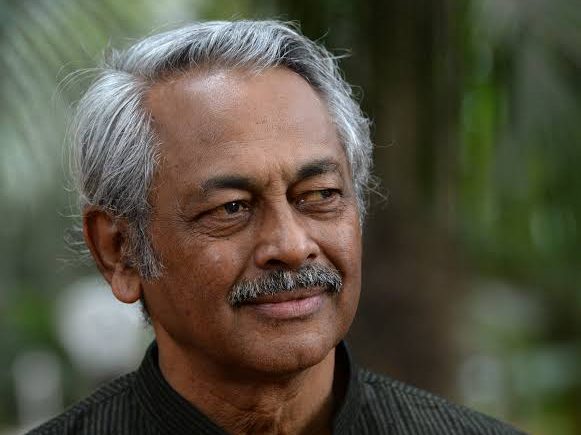
Girish Kasaravalli
Girish Kasaravalli is an Indian film director and pioneer of Auteur Cinema in Kannada. A gold medalist from FTII Pune, his student film Avashesh won the National Film Award for Best Short Film.
Kasaravalli made his directorial debut in 1977 with Ghatashraddha, which won the National Film Award for Best Feature Film. His other award-winning films include Tabarana Kathe (1986), Taayi Saheba (1997) and Dweepa (2002) – all winning the Golden Lotus for Best Film.
Known for his neorealist, minimalist style and portrayal of rural Karnataka life, Kasaravalli has garnered 14 National Film Awards. His films explore complex social themes with simple narratives and naturalistic performances.
Other notable works include Akramana (1979), Mooru Darigalu (1981), Naayi Neralu (2006), Gulabi Talkies (2008) and Koormavatara (2011). In 2011, he was honored with the Padma Shri for his contributions to Indian cinema. Retrospectives of his films have been held at prestigious festivals like Rotterdam.
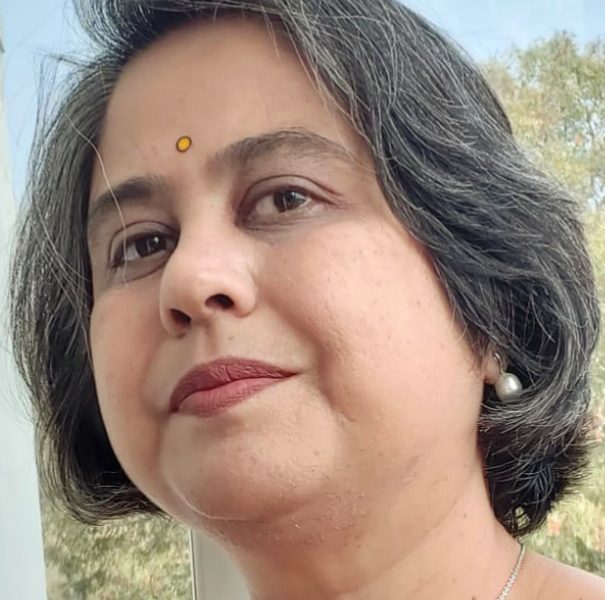
Nikhila H
Nikhila H. is Professor in the Department of Film Studies, The English and Foreign Languages University, Hyderabad, where she has been teaching and researching in the areas of Film Studies and Gender Studies. Currently on a sabbatical to research on filmic remakes as a way of understanding how give and take happens between Indian languages in India, she is working towards, first, a commissioned essay, and then by and by, a book on the subject. She has been teaching for 30 years, first at Mount Carmel College, Bangalore, then at Pondicherry Central University, Puducherry, and now at EFL University, Hyderabad for the past 14 years. She got her doctorate for her dissertation on Gender and Partition. She has organized Seminars, Film festivals and Workshops, and presently is one of the two coordinators of an online film discussion forum called Talking Films Online. She supervises research in Film Studies and ten students have been awarded their Ph.D. degree under her supervision. Her essays currently in the publication pipeline are on the Kannada linguistic and regional antecedents of the Hindi film Swades, and on narrative mediation by female journalist characters in contemporary cinema in India.
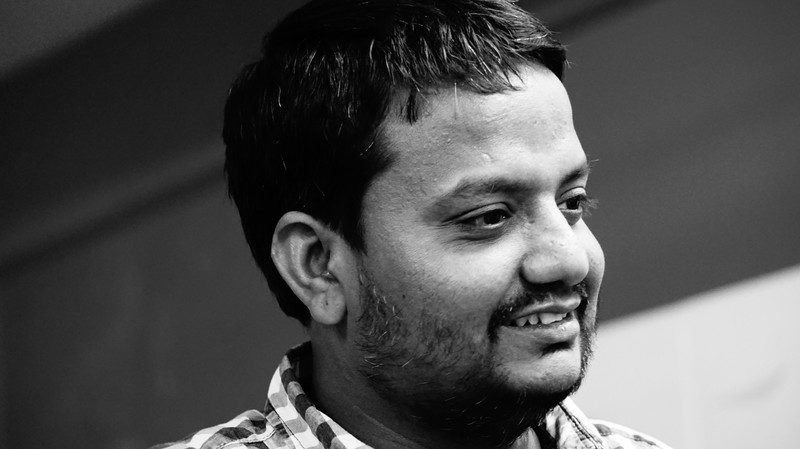
Basav Biradar
Basav is a writer, critic and filmmaker based in Bangalore. He teaches film at Srishti Manipal Institute of Art, Design and Technology. Basav’s writing has appeared in leading Indian publications – Caravan, The Hindu, Outlook India, Film Companion, The News Minute, Open Magazine and many more.
He has also contributed an essay to the anthology “Where Gods Dwell – Thirteen temples and their (his)stories”. Basav’s recent film “In Search of Gold” was selected for screening at several Film Festivals. He is also the founder of a history collective called “Historywallahs.
Basav has assembled this retrospective, delving into the artistic journey of Girish Kasaravalli through a meticulously curated selection.
