
Speaker
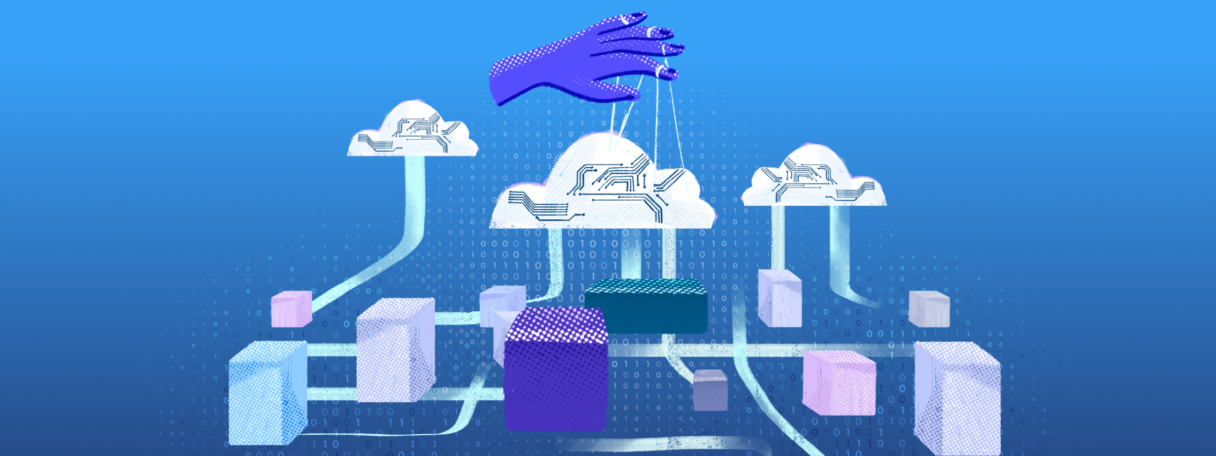
The Cloud has landlords. Do you know who they are?
This talk begins where most AI conversations never go, at the infrastructure layer that made the revolution possible: cloud computing. It asks who benefits from the AI revolution, who pays for it, and what India is doing to fight back. Every AI query made has a physical address, political allegiance, and a human price tag, all of which are carefully kept invisible.
The Cloud is a network of physical data centres owned overwhelmingly by a few large corporations, running on water, electricity, and human labour. It is the infrastructure on which India’s payment, healthcare, governance, and AI ambitions, now depend. Cloud computing’s first great revolution gave the world social media, which could only exist because vast, always-on data centres made it possible to connect billions of people simultaneously. Social media produced something else too: an ocean of human data, of our thoughts, relationships, and behaviours, harvested at a scale never before possible. AI is the second great revolution, feeding on this data alongside books, medical records, and every other digital trace we have left on the internet.
From the RBI banning Mastercard for eleven months to OpenAI’s content moderators in Kenya earning less than two dollars an hour, this is a story of technology as power. Can the rules be rewritten before the empire becomes permanent?
Speaker
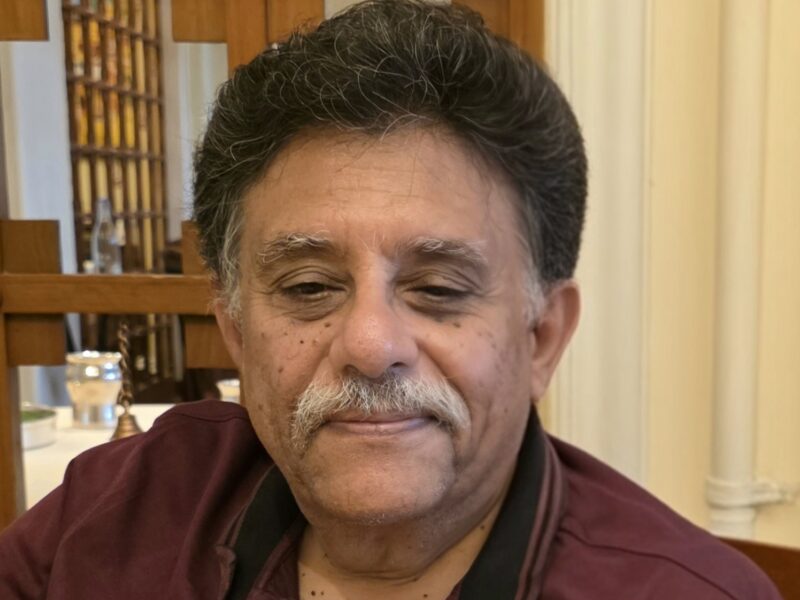
Dinkar Sitaram
Dr. Dinkar Sitaram is currently working with iSPIRT, the organisation associated with the development of UPI. He is the author of two books, Moving to the Cloud: Developing Apps in the New World of Cloud Computing (American Elsevier, 2011) and Multimedia Servers (Morgan Kaufmann). He holds over 20 patents and has authored 66 publications, with more than 5,000 citations. He earned his Ph.D. from the University of Wisconsin–Madison and his B.Tech. from IIT Kharagpur. He began his career at IBM Research in New York in 1984, and later held senior technology leadership roles at Novell, Andiamo Systems and HP in India. He was Professor of Computer Science at PES University, where he headed the Centre for Cloud Computing and Big Data.
He was also a member on the Governing Board of the Cloud Computing Innovation Council of India, a professional, volunteer, body seeking to be a trusted neutral advisor and partner to governments and industry
You might also like
Miracle in Antarctica
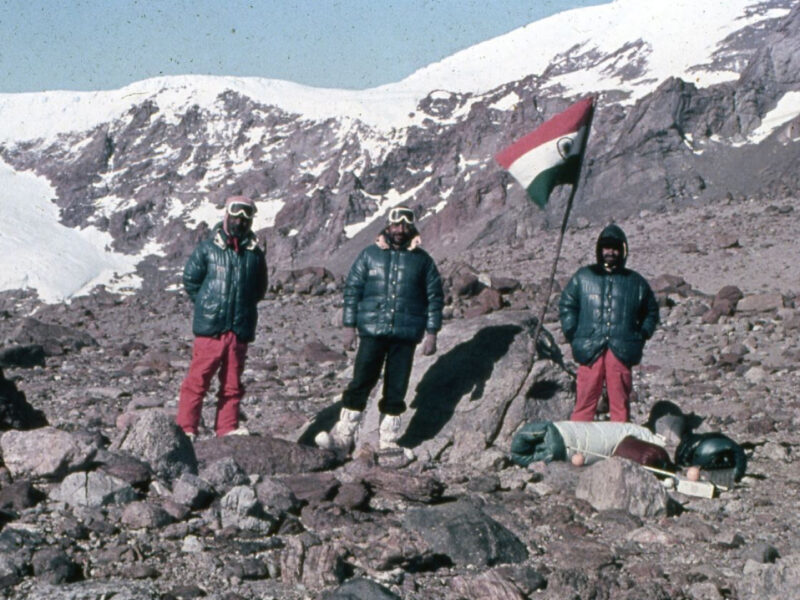
The Forgotten Story of Dakshin Gangotri
RSVP for the Auditorium closed. RSVP for the Simulcast of the event in our Seminar Halls here
The Role of the Uniformed Services in India’s Constitutional Democracy
The Seventh P.K. Dey Memorial Lecture
RSVP here
