

- This event is over. However, time travel possible through our Audio & Video! See upcoming events
Chekhov’s Bangalore
Realist Fables for the Present
Speakers

An evening to sit with difficult questions, contend with differing perspectives, and open new avenues of thought.
In 2008, City of Gardens was brought to the stage: a play that turned Anton Chekhov’s The Cherry Orchard into an allegory for Bangalore. Once celebrated as the Garden City of India, its rapid transformation has reshaped identities and coloured memories. The lush, unhurried past constantly contends with the relentless pace of modern urban life.
Nearly two decades later, there is a lot left to say.
This panel discussion brings together Abhishek Majumdar and Anuja Ghosalkar, original cast members, moderated by Saima Dawood. Together, they will revisit what the play meant then and investigate what it means now, returning to an allegory made at the apex of neoliberal globalisation, and asking whether its prescience has only deepened with time.
What have the shifting political economies meant for the city’s environment? What do the imperatives of development do to competing nostalgias, and to the postcolonial textures that a garden city carries in its name?
Speakers
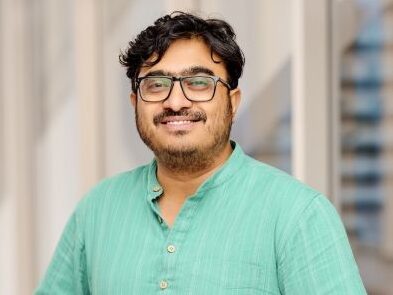
Abhishek Majumdar
Abhishek Majumdar is a playwright, essayist, scenographer, and director working in India and internationally. His work has been produced and commissioned at leading theatres and festivals worldwide, including the Royal Court Theatre and National Theatre in London, Théâtre du Soleil in Paris, Deutsch Schauspielhaus in Hamburg, San Francisco Opera, and PlayCo in New York, among others. He works across theatre, film, and opera in multiple languages and cultures. His essays are collected in Theater Across Borders, published by Bloomsbury as part of their Theatermakers series, and his plays have been published, performed, and translated across ten languages. He is Artistic Director of Nalanda Arts Studio, Bangalore.
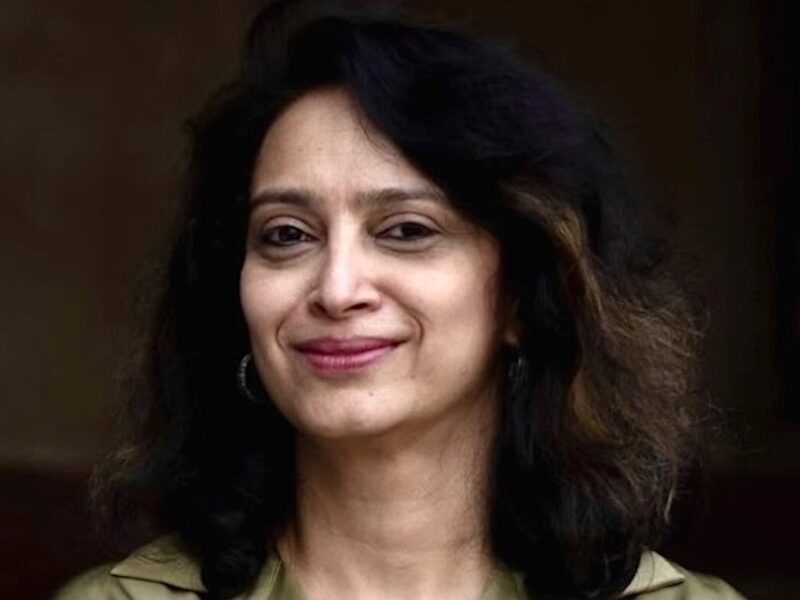
Anuja Ghosalkar
Anuja Ghosalkar is a theatremaker and founder of Drama Queen, a documentary theatre company based in Bangalore, active since 2015. Her interdisciplinary practice spans performance, visual art, and critical inquiry, engaging with counterhistories, archival absences, and questions of gender. Her work has been presented at universities, museums, and festivals internationally, including at Oxford, Cambridge, metaLAB at Harvard, Frascati Theatre Amsterdam, and Hebbel am Ufer and Sophiensæle in Berlin. She is co-editor of Documentary Theatre in India: Assembling Publics, Performing Politics, published by Transcript Verlag.
