Berake Soppu
Discovering Wild Edible Greens in our Neighbourhood
For Ages 10+
RSVPs closed. Thank you for your interest.
Facilitators
Language: English and Kannada
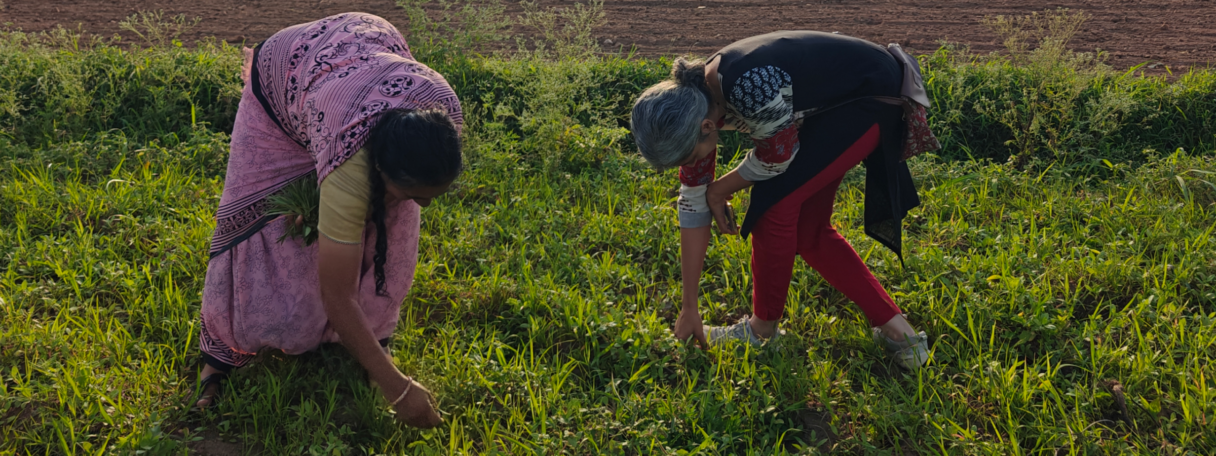
What if there is no such thing as a weed? This walking workshop challenges the very notion, exploring the uses, benefits, and precautions of foraging for wild edible greens growing in plain sight around us.
In Kannada, berake soppu refers to a mix of wild greens traditionally foraged by women from fields, open spaces, and village commons, and cooked into nutritious dishes to feed their families. As store-bought greens and ready-made food become more available, the art of foraging, the skill of recognising wild edibles, and the traditional knowledge of cooking with them are slowly disappearing. Every plant has a role to play in its ecosystem, often one we have simply stopped noticing.
Following a short introduction, participants will be guided through the neighbourhood to identify wild greens that go beyond the familiar palak, methi, or dhantu, learning their nutritional and traditional uses along the way. The walk closes with tea and further discussion, situating these plants within their wider social, cultural, and ecological significance. Learning to notice the greens underfoot, the session suggests, can change the way we see the landscape we move through every day.
This programme is part of “Krishna to Kaveri,” a two-day celebration of Karnataka’s arts and culture taking place over Diwali weekend, on the seventh and eighth of November. Scheduled ahead of the main festival days, it offers an early taste of what is to come.
Facilitators
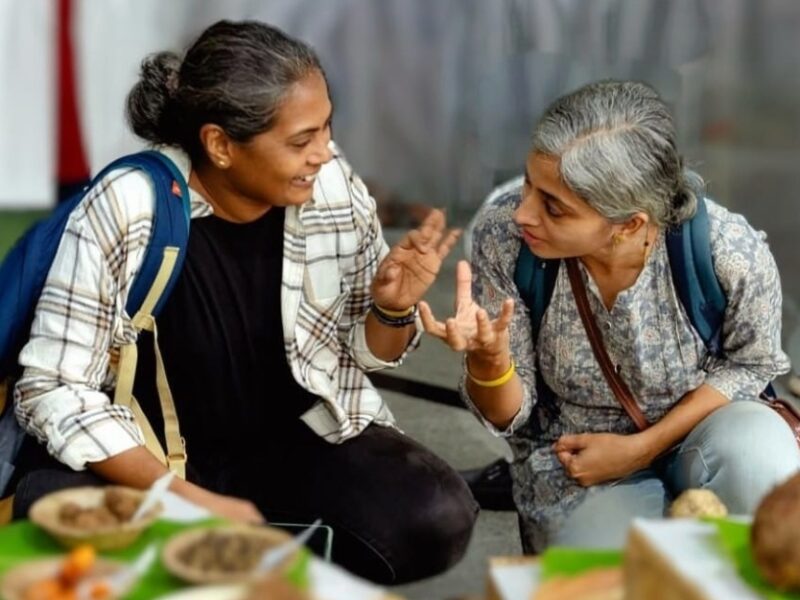
Subhashini & Archana
Subhashini and Archana are two urban foragers who came together through their shared love for edible greens. Through Foraging Trails and Tales, they hope to bring the art of foraging and the skill of identifying wild edible greens into urban lifestyles increasingly disconnected from nature. They conduct guided wild food walks and full-day farm-to-table workshops, gathering seasonal foods and cooking with what they find. They continue to learn from local communities and knowledge holders, while documenting their discoveries to make wild foods and the knowledge around them more visible and accessible.
You might also like