

- This event is over. However, time travel possible through our Audio & Video! See upcoming events
240. The World We Bequeath (with Ullas Karanth, Shekhar Pathak & Mahesh Rangarajan)
Towards an Ecologically Sound Future
Speakers

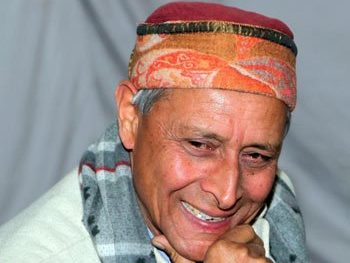
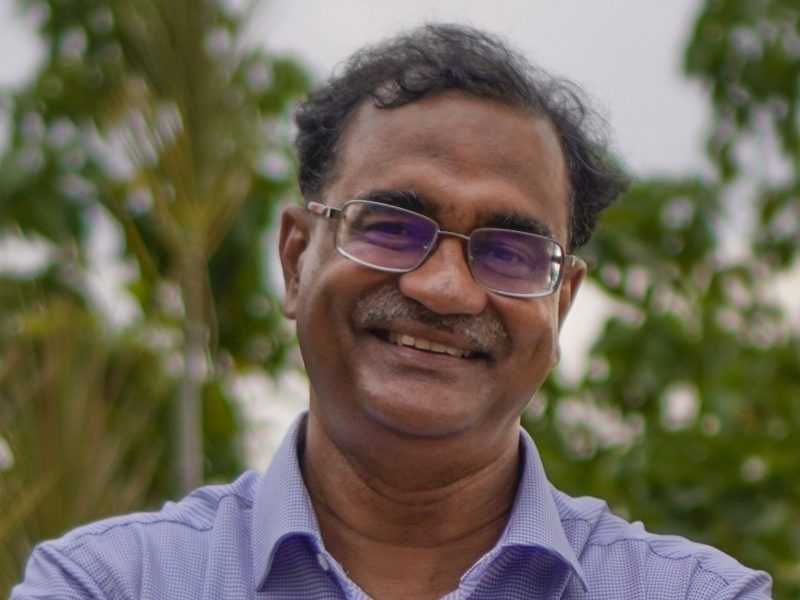
Historian Shekhar Pathak; ecologist, and author Ullas Karanth and historian and author Mahesh Rangarajan converge in this episode of BIC Talks to explore the path towards a sustainable and environmentally friendly world. With their extensive knowledge in environmental history, wildlife conservation, and cultural perspectives, they engage in a dialogue encompassing crucial topics such as environmental challenges, wildlife preservation, historical contexts, cultural impacts, and sustainable development.
This conversation sprinked with information, analyses, anecdotes, past and current studies and on ground realities promises to be a rich and enlightening exchange of ideas, aiming to inspire actionable solutions for a future that prioritizes ecological balance and the well-being of our planet.
This episode was adapted from a session at Bangalore Literature Festival 2022.
Subscribe to the BIC Talks Podcast on your favourite podcast app! BIC Talks is available everywhere, including iTunes, Spotify, Google Podcasts, Castbox, Overcast and Stitcher.
Speakers
Ullas Karanth
Ullas Karanth was born in 1948, in the wilderness landscape of Malenad. His interest in nature was nurtured by his father, the writer Shivarama Karanth. Following his passion, he obtained his Master’s degree from the University of Florida, USA in 1988 and Doctorate from Mangalore University, India in 1993. Recruited to the Wildlife Conservation Society (WCS), by George Schaller, he led the WCS India Program for the next 30 years.
He is now the Director of the Centre for Wildlife Studies that he founded in 1984. Dr. Karanth is an Adjunct Professor at the Universities of Florida and Minnesota as well as the National Centre for Biological Sciences-TIFR, India. His expertise covers large carnivore ecology, modelling animal populations as well as conservation policy. He was elected a Fellow of the Indian Academy of Sciences (2008). His work has been featured in global media, including the New York Times, Time Magazine, Scientific American, New Scientist, National Geographic, BBC, CNN, Discovery and Animal Planet.
Shekhar Pathak
Shekhar Pathak is an Indian historian, writer and academician from Uttarakhand. He is the founder of People’s Association for Himalaya Area Research (PAHAR), established in 1983, former professor of History at Kumaun University, Nainital and a Nehru Fellow at the Centre for Contemporary Studies at Teen Murti in New Delhi. He was awarded the Padma Shri by Govt. of India, in 2007 and Mahapandit Rahul Sankrityayan Award in 2006. He wrote Kumaon Himalaya : Temptations (1993) and also co-wrote with Dr Uma Bhatt, Asia ki Peeth Per (On Asia’s Back), a biography of Himalayan explorer, Pundit Nain Singh Rawat. He is a research scholar at Nehru Memorial Museum and Library, after which he received Scholarship from the Jawaharlal Nehru Fellowship. Shekhar Pathak received the KLF Environment Book of the Year Award for Hari Bhari Ummid, Vani Prakashan (2020)/ The Chipko Movement: A People’s History, Permanent Black (2020)
Mahesh Rangarajan
Professor Mahesh Rangarajan teaches History and Environmental Studies at Ashoka University, Sonipat, Haryana. He is also Chair of the Ashoka Archives of Contemporary India.
Educated at the universities of Delhi and Oxford, he has taught at Cornell, Jadavpur and Delhi. He has also served as Director of the Nehru Memorial Museum and Library. His first book, Fencing the Forest was published in 1996 and the most recent, Nature and Nation in 2015. Co-edited works include Battles over Nature (2003), Environmental History as if Nature Existed (2010), Shifting Ground ( 2014), Nature without borders (2014) and At Nature’s edge (2018).
