
- This event is over. However, time travel possible through our Audio & Video! See upcoming events
Landless
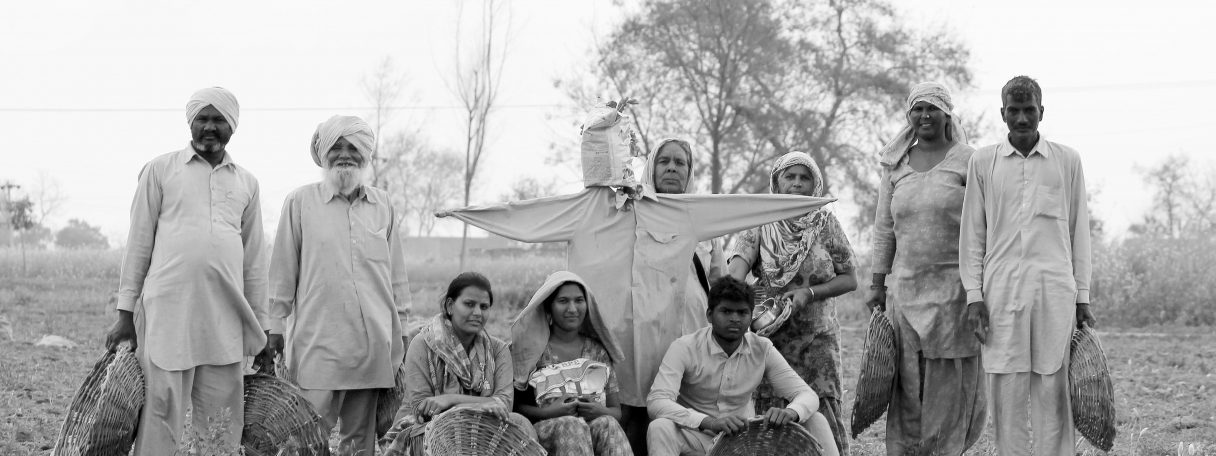
A film on the struggle for ownership of land and its inextricable link with caste and class in rural Punjab
Filmmaker
70 mins | 2018 | Punjabi with English Subtitles
Directed by Randeep Maddoke
Synopsis:
With the advent of Sikhism in Punjab in the 16th century, the Sikh community sought to establish an egalitarian society. Over the years, those outside of the four-fold Hindu caste (varna) system were particularly attracted to Sikhism and hoped to find their place in this seemingly casteless society. However post independence once the zamindari system was abolished and the Green Revolution was ushered in, the social reforms carefully nurtured by Sikhism couldn’t stand up to the changes introduced by the new land reforms. Even as the former marginalized groups like the Jatts became a land owning class, the Avarnas – those outside the varna system and the lowest in the social order – continued to be landless. The film Landless looks at the unending conflict over land, rights and dignity between these communities in Punjab.
In collaboration with Vikalp:

Filmmaker
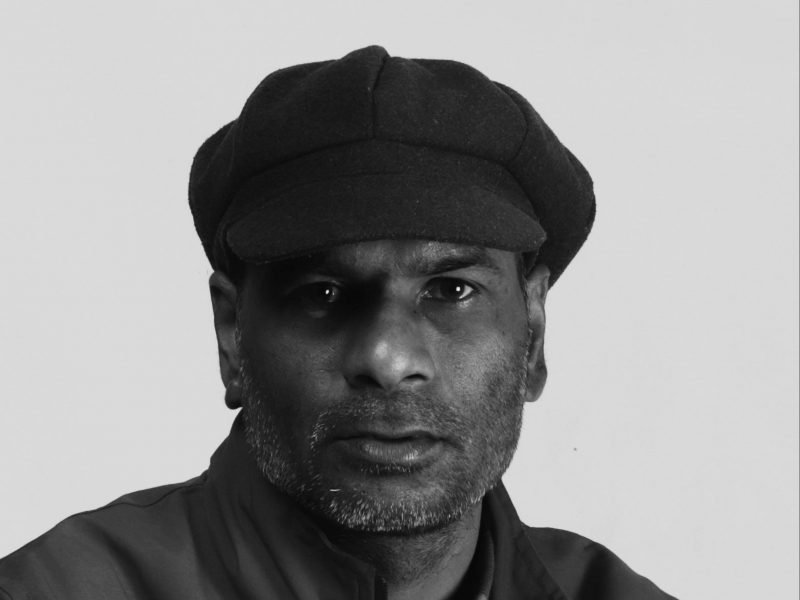
Randeep Maddoke
Randeep was born as a Majhbi Sikh (considered ‘low-caste’) in the Maddoke village of Punjab. As a young boy, he spent a considerable amount of time working as an agricultural labourer and then as an activist in Khet Mazdoor Union (agricultural labour union). During this time he familiarized himself with communist ideas and completed his high school. He later joined the Government College of Arts in Chandigarh where he developed an interest in Photography. His photographs represent the experiences of everyday life of Dalits.
In his words – I document the experiences of dalits because the everyday life of a Dalit is intertwined with a multitude of things – their sufferings, joys, vulnerabilities, and antagonisms. The photographs play a role in documenting this discrimination which has been normalized, and kept alive largely in the memory of Dalits with the hope to end discrimination and achieve the equality. But, as the photographs suggest, this hope is still elusive…
