
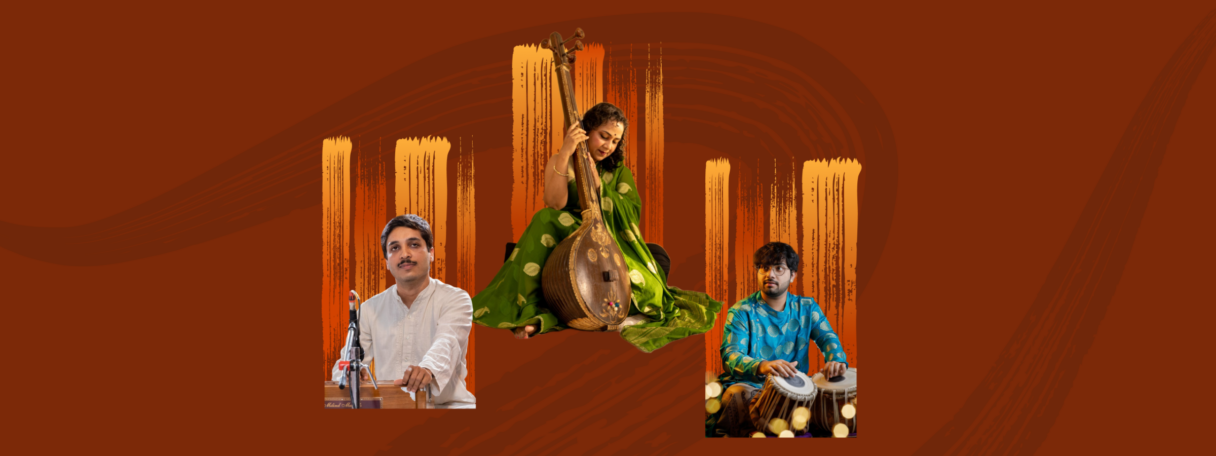
- This event is over. However, time travel possible through our Audio & Video! See upcoming events
Voices behind the Bandish
Women Composers in Hindustani Music
Artists
The first students of Khayal were women. The first recording of a female voice in Hindustani music was in 1902: Gauhar Jan, the renowned tawaif and classical musician from Kolkata. Yet, bandishes are rarely attributed to women composers.
This program presents compositions exclusively by female artists over the ages, restoring credit to their genius. Devotional composers like Meera Bai and Pratapbala, Thumri singers like Girija Devi and Naina Devi, Khayal singers Prabha Atre, Veena Sahasrabuddhe and Ashwini Bhide. The program will be narrated in English, and Srivani’s vocals will be accompanied by harmonium, tabla, and tanpura.
This is Srivani’s response to the incredible women who came before her.

Artists
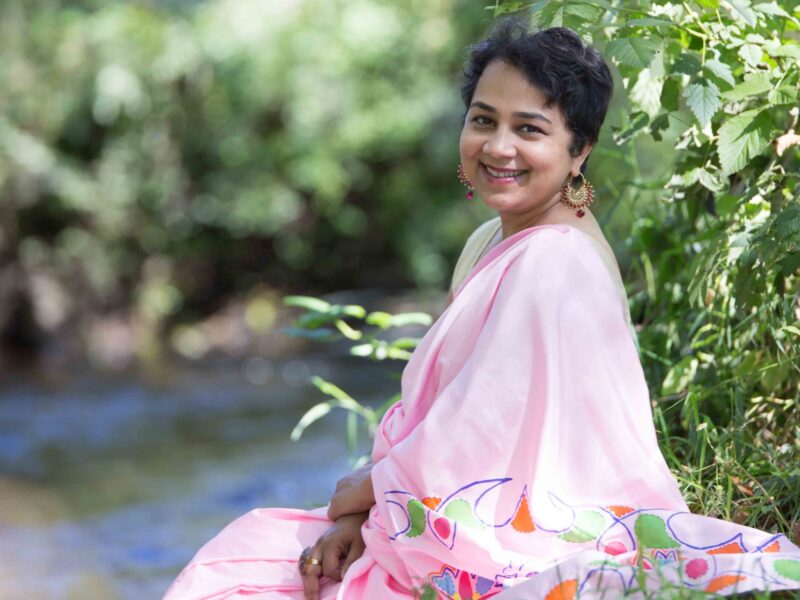
Srivani Jade
Srivani Jade was introduced to music at the age of four by her father Bhavani Prasad Jade and uncle Raghavendra Tilwalli. She has studied Khayal with Dr. Sharad Gadre in the Gwalior style, and with Pandit Parameshwar Hegde in the Kirana style. She identifies deeply with the Bhakti tradition, and enjoys singing light classical music Thumri-Dadra, and a vast devotional repertoire of Bhajans, Abhangs, Devaranama.
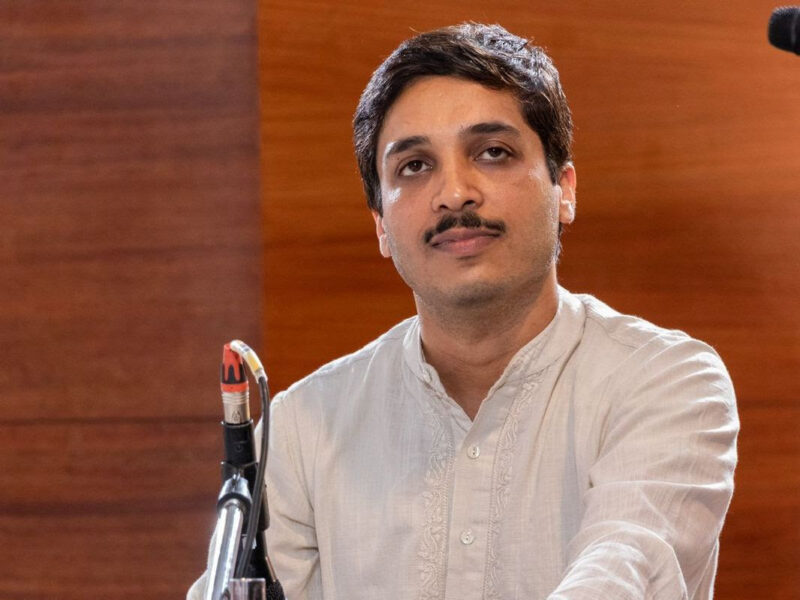
Surya Upadhyay
Surya is a harmonium artist trained initially under Sri Ananth Bhagwath and later under Pandit Ravindra Katoti. Known for his sensitive accompaniment and attentive musical dialogue, he has worked with several senior and emerging musicians across the Hindustani classical circuit. His playing reflects a deep regard for melodic clarity and rhythmic balance, supporting vocal and instrumental performances with restraint and responsiveness.
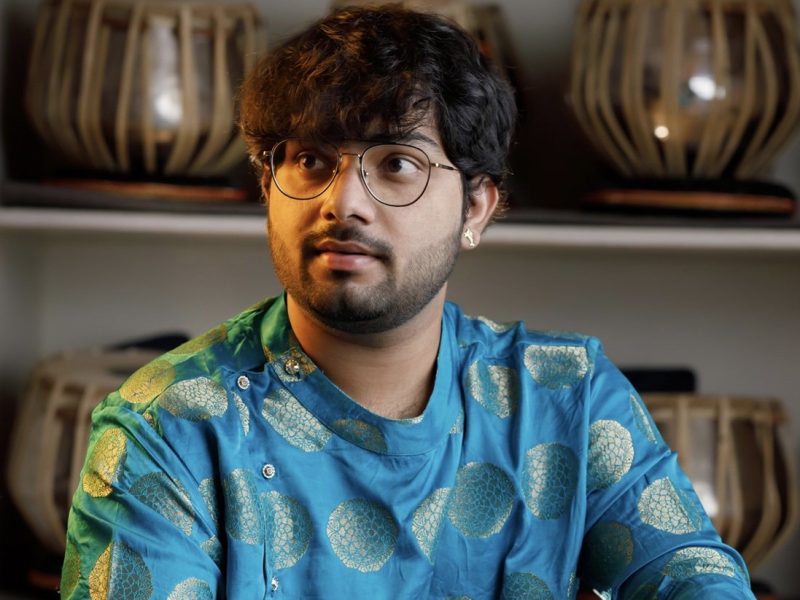
Roopak Kallurkar
Roopak Kallurkar began his musical journey at the age of three under the guidance of his father and guru, Pt. Rajagopal Kallurkar, a renowned tabla maestro of the Farukhabad Gharana, and influenced by his mother, Smt. Vijayalaxmi Kallurkar, a respected Hindustani classical vocalist. His training later expanded to include Carnatic rhythm under Vid. Kulloor Jayachandra Rao.
A ‘B High’ graded artist of All India Radio and recipient of the CCRT Scholarship from the Government of India, Roopak has established himself as a powerful soloist and a sensitive accompanist. He has appeared at major festivals and cultural platforms across India including the Sankat Mochan Festival, Sangeet Natak Akademi programmes, World Jazz Festival, and Banyan Tree Festival.
Roopak has collaborated with leading Hindustani and Carnatic musicians, Kathak dancers, fusion ensembles, and international groups. With hundreds of recordings and television appearances to his credit, he is also deeply committed to pedagogy through the Kallur Mahalaxmi Tabla Vidyalaya, continuing a legacy of teaching and mentorship that spans generations while shaping the future of tabla practice.
