

- This event is over. However, time travel possible through our Audio & Video! See upcoming events
Drawing the Line at 16
Rethinking Social Media Bans for Youth
Speakers
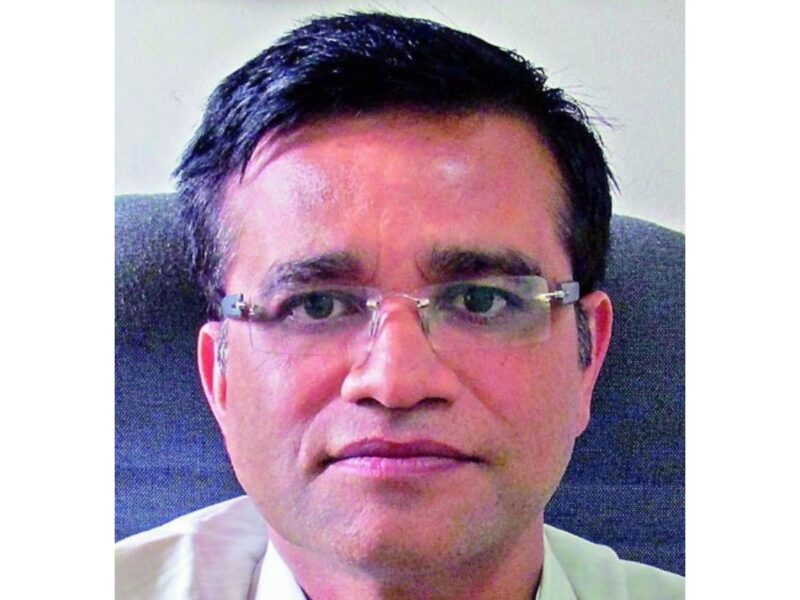

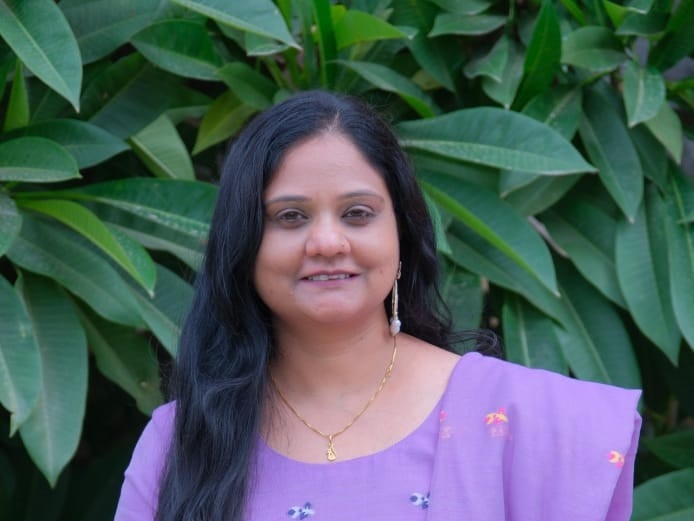

Digital regulation is a fine line between control and protection.
Karnataka is among the first states in the country to legislate digital safety for minors. The Responsible Social Media & Digital Safety Bill, 2026, seeks to ban social media access for children under sixteen, targeting disinformation, digital addiction, and the mental health of young people.
This panel brings together clinical psychologists and researchers to examine the Bill from the inside: adolescent development, digital behaviour, mental health implications, and the practical challenges of regulating technology use among the young. A conversation at the intersection of clinical evidence, lived reality, and public policy.
The session opens to audience questions at the end.
In collaboration with:

Speakers
Manoj Kumar Sharma
Manoj Kumar Sharma is a Professor of Clinical Psychology and the Administrative Head of the Centre for Well-Being at National Institute of Mental Health and Neuro Sciences, Bengaluru. He is credited with establishing India’s first technology de-addiction facility, the SHUT Clinic (Service for Healthy Use of Technology), which focuses on addressing problematic technology use and digital addiction. Dr. Sharma is a member of the World Health Organization Expert Group on addictive behaviors and has also been associated with expert groups of The Lancet on gambling-related issues. He is a recipient of the WHO Fellowship in tobacco control and the Indian Council of Medical Research–Department of Health Research Senior Scientist Fellowship. His research has received both national and international funding, particularly in the areas of tool development, addictive behaviors, and interventions for gaming addiction. He has authored over 270 research papers and has contributed more than 600 articles in print media to promote public awareness on mental health and responsible technology use.
Nitin Anand
Nitin Anand is a Professor of Clinical Psychology at the National Institute of Mental Health and Neuro Sciences (NIMHANS), Bengaluru. He serves as an expert consultant at the SHUT Clinic (Service for Healthy Use of Technology), India’s first technology de-addiction clinic. Dr. Anand is also involved in delivering psychotherapeutic evaluations and interventions at the Specialty Obsessive Disorder Clinic at NIMHANS, one of the first dedicated clinics of its kind in India. In addition, he serves as the Faculty In-Charge of the Assessment Psychology Research & Application Division, which focuses on the development and standardization of indigenous psychological assessment tools suited to the Indian context. He completed his M.Phil and Ph.D. in Clinical Psychology from NIMHANS. He has secured research grants from national funding agencies for work in psychological assessment, interventions for problematic technology use, workplace mental health assessment, and the promotion of psychological well-being. He has authored approximately 72 research articles published in peer-reviewed national and international PubMed-indexed journals, focusing on internet addiction, social media use, and the psychological correlates of excessive technology use. He has also trained over 230 stakeholders through brief and short-term training programs on technology addiction and mental health awareness.
Ashwini Tadpatrikar
Ashwini Tadpatrikar is an Assistant Professor at Vidyashilp University. She holds a Ph.D. in Clinical Psychology from the National Institute of Mental Health and Neuro Sciences (NIMHANS), Bengaluru. A Rehabilitation Council of India (RCI) licensed clinical psychologist, Dr. Tadpatrikar brings over a decade of experience in clinical practice and teaching. She has worked for ten years at the SHUT Clinic (Services for Healthy Use of Technology) at NIMHANS, contributing to interventions addressing problematic technology use. Her areas of expertise include technology addiction, family therapy, and the development of safe screen-use guidelines. Her research portfolio includes 23 publications in peer-reviewed journals, along with four literature and systematic reviews. She is a permanent member of the Indian Association of Clinical Psychologists.
Sheetal Lakhani
Dr. Sheetal Lakhani is an Assistant Professor of Psychology at Vidyashilp University and a licensed clinical psychologist. She earned her PhD in Clinical Psychology from NIMHANS and her M.Phil. from the Institute of Human Behaviour and Allied Sciences, University of Delhi. She has worked in both government and private settings, including the Indian Naval Hospital Ship Asvini, Mumbai.
Dr. Lakhani specializes in trauma-informed interventions for complex clinical cases, including trauma and personality disorders. She is also interested in the social and cultural determinants of mental health, and in community-level prevention and mental health promotion. Her work focuses on making mental health conversations accessible, inclusive, and actionable.
