
- This event is over. However, time travel possible through our Audio & Video! See upcoming events
Baaz Na Aayenge Hum Mohabbat Se | बाज़ न आएंगे हम मोहब्बत से | باز نہ آئیں گے ہم محبت سے
Unveiling the Soul of Kalyana Karnataka’s Qawwali Tradition
Musicians & Speakers
Urdu | Kannada | Q&A in Urdu, Kannada & English
The foundation of Qawwali history in India, known as the Delhi Gharana, was laid by Hazrat Amir Khusro himself. Under his supervision, the Sangeet Qawwali Bachhe Sufi, also known as the Qawwal Bache Gharana music group, was formed. When Khusro came to Gulbarga in the Deccan region, the style of the Banda Nawaz brothers became prevalent and distinctive, rather than the traditional Qawwali.
In the Chishti school of thought, Qawwali holds a special place and is sometimes even accorded the status of worship. During this period, some Qawwali and music teachers of the Chishtiya lineage accompanied the Banda Nawaz brothers to the Deccan. These included the Banda Nawaz Nizami Sabri and other Banda Nawaz brothers known by various monikers. In Karnataka, they are referred to as Banda Nawaz Qawals.
Karnatak Qawwali is one of the most popular musical styles in the Deccan, and its descendants continue to perform it. In Gulbarga Sharif, there is a branch of the Qawwali Brothers that is quite famous, known as the Banda Nawaz Brothers. This group includes Muhammad Tanveer Niazi, Salam Banda Nawaz, Khawaja Mian Banda Nawaz, and others.
The Sufi performers of Kalyana Karnataka are deeply connected with social alchemy, as they accompany every person, village, and Sufi of the region in public festivals and Urs celebrations, both large and small. These artists are truly public performers and can be considered ambassadors of Carnatic Sufi music in Kalyana Karnataka. The Banda Nawazi brothers’ Qawwali is the custodian of this revived Sufi music, belonging to the same family and keeping the tradition alive through successive generations.
The beautiful and colourful compositions of Kalyana Karnataka are presented at various festivals, with their unique tone and ideas. The group has been awarded the prestigious Kalyana Karnataka Award. Their style of Qawwali, infused with local Sufism, is unique and reveals the influence of Sufi sages and their company.
The Qawwali tradition in Kalyana Karnataka is both a preserver and innovator of this ancient art form. The performers are skilled in choosing meaningful words and delivering them so the audience is inevitable moved and often in raptures . Their music does more than entertain – it offers spiritual fulfillment and teaches listeners about Sufi ideas and poetry.
What makes this style special is how it blends different elements. It captures the heart of Sufi poetry while maintaining a classical feel. At the same time, it creates a unique sound by mixing broader Indian music styles with specific South Indian (Carnatic) traditions.
This combination of traditional roots and regional adaptation makes Kalyana Karnataka’s Qawwali a rich and meaningful form of cultural expression. It speaks to people’s hearts, minds, and souls, connecting them to both ancient wisdom and contemporary experiences.
To delve deeper into this rich history and cultural synthesis, scholars Rahamat Tarikere and Syed Rauf Quadri will provide expert insights. Professor Tarikere, known for his extensive research on Sufi traditions in Karnataka, will elucidate the historical context and evolution of Qawwali in the region. Dr. Quadri, an authority on poetry, Islamic mysticism and its musical expressions, will explore the spiritual dimensions and poetic nuances of the Kalyana Karnataka Qawwali tradition. Together, these scholars will offer a comprehensive understanding of the syncretic culture and musical traditions that have shaped Qawwali in the Deccan and Kalyana Karnataka regions.
Supported by:

Musicians & Speakers
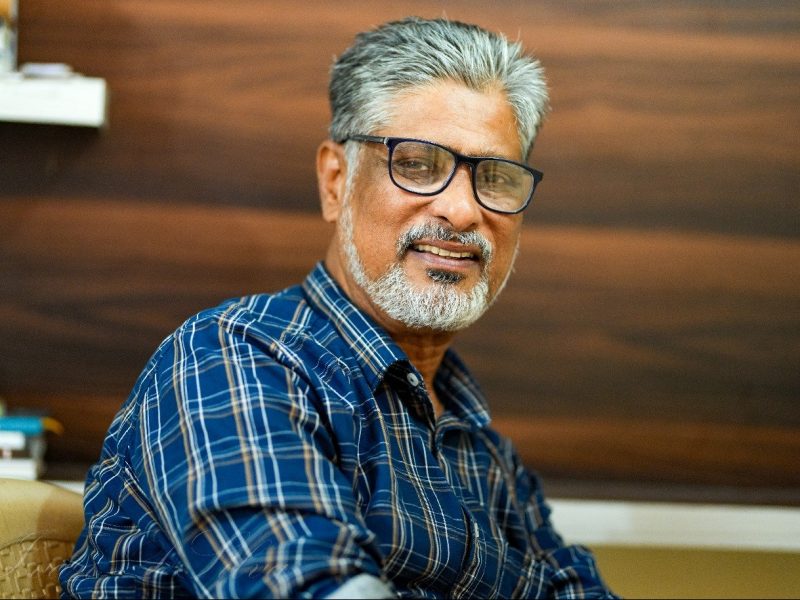
Rahamat Tarikere
Rahamath Tarikere is a retired Professor in the Department of Kannada Literature Studies, Kannada University, Hampi (Karnataka/India). Tarikere has published books on Muharram, Sufism, Nathism, Shaktism and other local mystic cults of Karnataka. His research further include works in literary criticism, multilingual texts, poetics and cultural studies on Kannada literature, as well as completed a monograph on Hindi film actress and singer Amirbai Karnataki. Some books are translated into Telugu, Marathi and English. Amirbai Karnataki has been published by JNU, New Delhi.
Tarikere’s articles translated into English include, “Is there such a thing as Muslim Folklore?” (The Inner Mirror: Writings on society and culture, The Book Review Literary Trust, New Delhi, 2009); “Crime and Punishment: Inter-caste marriage in Shakta myths and rituals of Karnataka,” (Economic and Political Weekly, 2017): “The Language of Home and the Language of Literary Expression,” (Summer Hill, Indian Institute Advance Studies Review, Shimla, 2017); Kattiyanchina Daari (Collection of Critical Essays), has won the Sahitya Akademi Award, New Delhi (2010). Tarikere received Karnataka Sahitya Academy Book Awards in 1992, 1998 and 2000, and is currently working on the Neo Buddhist culture of Karnataka.
ರಹಮತ್ ತರೀಕೆರೆ ಅವರು 1959ರಲ್ಲಿ ಚಿಕ್ಕಮಗಳೂರು ಜಿಲ್ಲೆಯ ಸಮತಳದಲ್ಲಿ ಜನಿಸಿದರು. ಅವರು ಬಿಎ ಮತ್ತು ಎಂಎ ಪದವಿಗಳನ್ನು ಪ್ರಥಮ ರ್ಯಾಂಕ್ ಮತ್ತು ಚಿನ್ನದ ಪದಕಗಳೊಂದಿಗೆ ಪೂರೈಸಿದರು. ಅವರು ಶಿವಮೊಗ್ಗದ ಸಹ್ಯಾದ್ರಿ ಕಾಲೇಜಿನಲ್ಲಿ ಅಧ್ಯಾಪಕರಾಗಿಯೂ, ಹಂಪಿಯ ಕನ್ನಡ ವಿಶ್ವವಿದ್ಯಾಲಯದಲ್ಲಿ ಪ್ರಾಧ್ಯಾಪಕರಾಗಿಯೂ ಸೇವೆ ಸಲ್ಲಿಸಿದ್ದಾರೆ. ಅವರು ಸಾಹಿತ್ಯ ವಿಮರ್ಶೆ, ಸಂಶೋಧನೆ, ಸಂಸ್ಕೃತಿ ಚಿಂತನೆ, ಪ್ರವಾಸ ಕಥನ, ಆತ್ಮಕಥೆ ಮತ್ತು ಅನುವಾದಗಳನ್ನೊಳಗೊಂಡಂತೆ ಹಲವಾರು ಪುಸ್ತಕಗಳನ್ನು ರಚಿಸಿದ್ದಾರೆ.
ರಹಮತ್ ತರೀಕೆರೆ ಅವರು ಕರ್ನಾಟಕ ಸಾಹಿತ್ಯ ಅಕಾಡೆಮಿ ಬಹುಮಾನವನ್ನು ನಾಲ್ಕು ಬಾರಿ ಗೆದ್ದಿದ್ದಾರೆ ಮತ್ತು 2010ರಲ್ಲಿ ಅವರ ‘ಕತ್ತಿಯಂಚಿನ ದಾರಿ’ ಕೃತಿಗೆ ಕೇಂದ್ರ ಸಾಹಿತ್ಯ ಅಕಾಡೆಮಿ ಪ್ರಶಸ್ತಿ ದೊರೆತಿದೆ. ಅವರು ಟರ್ಕಿ, ಇಸ್ರೇಲ್, ಈಜಿಪ್ಟ್, ಜರ್ಮನಿ, ಅಮೆರಿಕಾ, ಇರಾಕ್ ಮತ್ತು ಇರಾನ್ ಸೇರಿದಂತೆ ಅನೇಕ ದೇಶಗಳಿಗೆ ಭೇಟಿ ನೀಡಿದ್ದಾರೆ. 2023ರಲ್ಲಿ ಅವರು ಕ್ಯಾಲಿಫೋರ್ನಿಯಾದ ಸ್ಟ್ಯಾನ್ಫೋರ್ಡ್ ವಿಶ್ವವಿದ್ಯಾಲಯದಲ್ಲಿ ಸಂದರ್ಶಕ ಪ್ರಾಧ್ಯಾಪಕರಾಗಿ ಕಾರ್ಯನಿರ್ವಹಿಸಿದ್ದಾರೆ. ಅವರ ಕೊಡುಗೆಗಳು ಕನ್ನಡ ಸಾಹಿತ್ಯ ಮತ್ತು ಸಂಸ್ಕೃತಿಯ ಕ್ಷೇತ್ರದಲ್ಲಿ ಗಣನೀಯ ಪ್ರಭಾವ ಬೀರಿವೆ.
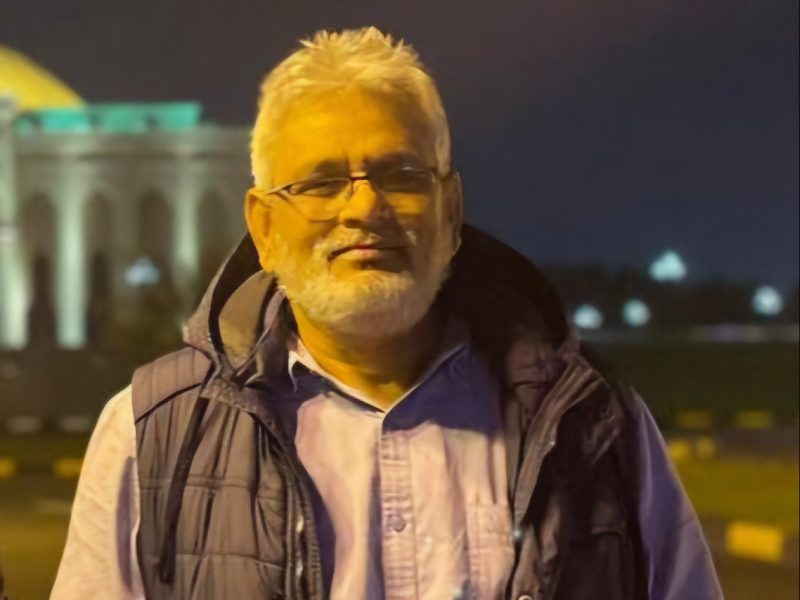
Syed Rauf Quadri
Syed Rauf Quadri, with over 30 years of impactful service in the social sector, stands as a leading advocate for Urdu language preservation and minority rights. As the president of All India Urdu Manch, which he co-founded with Late Khaleel Mamoon (Former DGP), Quadri has been instrumental in safeguarding Urdu culture, including the historic organization of India’s first International Urdu Conference in Bangalore. His visionary efforts led to the inclusion of Article 371 in the Hyderabad-Karnataka region, securing educational and employment reservations for its youth. Quadri has also contributed to literary enrichment by translating books from Persian to Urdu and Urdu to Kannada, furthering cultural exchange. His legacy continues to shape the region’s cultural, educational, and social landscape, marking him as a distinguished and influential figure in its history. Currently, he is involved in preservation of the Sufi-Sharana culture culture of Hyderabad Karnataka land by initiating a chain of events on inter faith culture dialogue in the region.
ಸಾಮಾಜಿಕ ಕ್ಷೇತ್ರದಲ್ಲಿ 30 ವರ್ಷಗಳಿಗೂ ಹೆಚ್ಚು ಕಾಲ ಪ್ರಭಾವಶಾಲಿ ಸೇವೆ ಸಲ್ಲಿಸಿರುವ ಸಯ್ಯದ್ ರೌಫ್ ಖಾದ್ರಿ, ಉರ್ದು ಭಾಷೆಯ ಸಂರಕ್ಷಣೆ ಮತ್ತು ಅಲ್ಪಸಂಖ್ಯಾತರ ಹಕ್ಕುಗಳ ಪ್ರಮುಖ ಪ್ರತಿಪಾದಕರಾಗಿ ನಿಲ್ಲುತ್ತಾರೆ. ದಿವಂಗತ ಖಲೀಲ್ ಮಾಮೂನ್ (ಮಾಜಿ ಡಿಜಿಪಿ) ಅವರೊಂದಿಗೆ ಸಹ-ಸ್ಥಾಪಿಸಿದ ಆಲ್ ಇಂಡಿಯಾ ಉರ್ದು ಮಂಚ್ನ ಅಧ್ಯಕ್ಷರಾಗಿ, ಖಾದ್ರಿ ಅವರು ಉರ್ದು ಸಂಸ್ಕೃತಿಯನ್ನು ಸಂರಕ್ಷಿಸುವಲ್ಲಿ ಪ್ರಮುಖ ಪಾತ್ರ ವಹಿಸಿದ್ದಾರೆ, ಇದರಲ್ಲಿ ಬೆಂಗಳೂರಿನಲ್ಲಿ ಭಾರತದ ಮೊದಲ ಅಂತರರಾಷ್ಟ್ರೀಯ ಉರ್ದು ಸಮ್ಮೇಳನದ ಐತಿಹಾಸಿಕ ಆಯೋಜನೆಯೂ ಸೇರಿದೆ. ಅವರ ದೂರದೃಷ್ಟಿಯ ಪ್ರಯತ್ನಗಳು ಹೈದರಾಬಾದ್-ಕರ್ನಾಟಕ ಪ್ರದೇಶದಲ್ಲಿ 371 ನೇ ವಿಧಿಯನ್ನು ಸೇರಿಸಲು ಕಾರಣವಾಗಿ, ಅಲ್ಲಿನ ಯುವಕರಿಗೆ ಶೈಕ್ಷಣಿಕ ಮತ್ತು ಉದ್ಯೋಗ ಮೀಸಲಾತಿಯನ್ನು ಖಚಿತಪಡಿಸಿತು. ಖಾದ್ರಿ ಅವರು ಪರ್ಷಿಯನ್ನಿಂದ ಉರ್ದುವಿಗೆ ಮತ್ತು ಉರ್ದುವಿನಿಂದ ಕನ್ನಡಕ್ಕೆ ಪುಸ್ತಕಗಳನ್ನು ಅನುವಾದಿಸುವ ಮೂಲಕ ಸಾಹಿತ್ಯಿಕ ಸಮೃದ್ಧಿಗೆ ಕೊಡುಗೆ ನೀಡಿದ್ದಾರೆ, ಇದರಿಂದ ಸಾಂಸ್ಕೃತಿಕ ವಿನಿಮಯವನ್ನು ಉತ್ತೇಜಿಸಿದ್ದಾರೆ. ಅವರ ಪರಂಪರೆಯು ಪ್ರದೇಶದ ಸಾಂಸ್ಕೃತಿಕ, ಶೈಕ್ಷಣಿಕ ಮತ್ತು ಸಾಮಾಜಿಕ ಸ್ವರೂಪವನ್ನು ರೂಪಿಸುವುದನ್ನು ಮುಂದುವರಿಸುತ್ತಿದೆ, ಇದರಿಂದ ಅವರು ಇತಿಹಾಸದಲ್ಲಿ ಗಣ್ಯ ಮತ್ತು ಪ್ರಭಾವಶಾಲಿ ವ್ಯಕ್ತಿಯಾಗಿ ಗುರುತಿಸಲ್ಪಟ್ಟಿದ್ದಾರೆ. ಪ್ರಸ್ತುತ, ಅವರು ಹೈದರಾಬಾದ್ ಕರ್ನಾಟಕ ಪ್ರದೇಶದಲ್ಲಿ ಅಂತರ-ಧಾರ್ಮಿಕ ಸಂಸ್ಕೃತಿ ಸಂವಾದದ ಸರಣಿ ಕಾರ್ಯಕ್ರಮಗಳನ್ನು ಆರಂಭಿಸುವ ಮೂಲಕ ಸೂಫಿ-ಶರಣ ಸಂಸ್ಕೃತಿಯ ಸಂರಕ್ಷಣೆಯಲ್ಲಿ ತೊಡಗಿಸಿಕೊಂಡಿದ್ದಾರೆ.
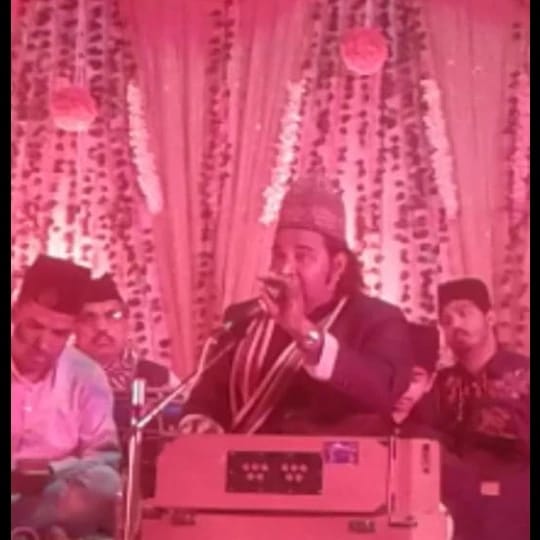
Bandanawazi Brothers
Known for their soulful and evocative performances, this Qawwal group has been a cherished presence at the shrine of Hazrat Khwaja Banda Nawaz Gaisu Daraz in Gulbarga for generations. They specialize in traditional Sufi Qawwalis that blend classical Indian music with Persian influences, delivering powerful renditions that resonate deeply with devotees. Their performances, marked by rhythmic clapping, harmonium melodies, and rich vocal harmonies, create a spiritually uplifting atmosphere. Dedicated to preserving the rich heritage of Sufi music, they continue to captivate audiences with their devotion and artistry. The group’s commitment to their craft ensures that the timeless messages of love and divine connection in Sufism are kept alive.
