
- This event is over. However, time travel possible through our Audio & Video! See upcoming events
Making Hindu Divorce Palatable
Historical Reflections
Speaker
Divorce has been typically framed in Indian popular culture as available mainly to upper-class urban and Anglicised people with the financial means to pursue long-winded remedies in courts. In addition, Hindus have had specific obstacles to accessing divorce; among the various religion-based personal law systems, Hindu personal law was the last to legalise divorce. Critics have long framed divorce as anti-Hindu and a practice promoted by frivolous Westernised women. Escaping unwanted or abusive marriages has therefore been an uphill battle.
What arguments did early proponents of divorce in the mid-twentieth century use to legalise divorce? How did they seek to show its acceptance in shastras? Ashwini Tambe pursues these questions in this talk by looking closely at Marathi public culture, and specifically the longest running Marathi women’s magazine, Stree. She shares translated content from Stree— excerpts of letters to the editor, legal advice, and opinion pieces— to describe the arguments that facilitated the stronger social acceptance of divorce.
Looking at Marathi public culture is important because a significant number of reformists and legislators who helped formalise Hindu women’s legal right to divorce at a national level (such as Chimnabai Gaekwad, Dr. Gopalrao Deshmukh and Dr. B.R. Ambedkar) were Marathi. Bombay Presidency and Baroda (ruled by Marathas) legalised divorce for Hindu women before the country as a whole did so. In effect, the talk traces the itinerary of reformist ideas about divorce that gained prominence in the 1940s and then led to the national-level legalisation of divorce in the 1950s.
A Q&A with the audience will follow Ashwini’s presentation.
Speaker
Ashwini Tambe
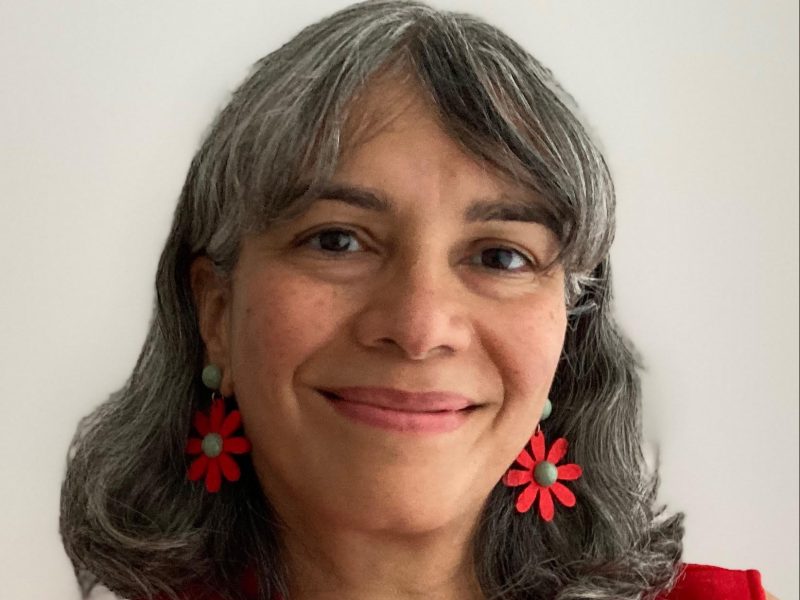
Ashwini Tambe is Director of Women’s, Gender, and Sexuality Studies and Professor of WGSS and History at George Washington University. She is a scholar of transnational feminist theory and her work focuses on how South Asian societies regulate sexual practices. Her books include Defining Girlhood in India: A Transnational Approach to Sexual Maturity Laws (University of Illinois Press, 2019), Codes of Misconduct: Regulating Prostitution in Late Colonial Bombay (University of Minnesota Press, 2009), Transnational Feminist Itineraries (Duke University Press 2021, co-edited with Millie Thayer) and The Limits of British Colonial Control in South Asia: Spaces of Disorder in the Indian Ocean Region (Routledge, 2008, co-edited with Harald Fischer-Tiné). Her most recent articles have appeared in Women’s Studies Quarterly, Feminist Formations, American Historical Review, and South Asia. She is also the Editorial Director of Feminist Studies, the oldest journal of interdisciplinary feminist scholarship in the United States.
