
- This event is over. However, time travel possible through our Audio & Video! See upcoming events
The Indian Mindset Through Cinema
Philosophical Issues in Indian Cinema
Speakers


Every kind of popular narrative has a constituency it addresses, the mindset of which it understands. Cinema is a much-loved form in India and by studying it we can understand the mindset of the Indian public which is its constituency. Since Indian cinema is different from the rest of world cinema in crucial ways, it points to the uniqueness of Indian thinking and idea of creativity.
The book which forms the basis of this discussion has identified aspects of Indian cinema in various categories like Bollywood, regional popular cinema and art cinema to arrive at key parameters by which Indian cinema can be examined, like its relationship to reality, expression and fantasy, its notion of causality, the family, its melodrama, its relationship to nationhood, and its idea of character and individuality. Since the theorizing on Indian cinema has been in the English language the critical terms do not quite fit their usage. The strategy has therefore been to approach Indian cinema through these terms and interrogating their usage as a way of arriving at Indian cinema’s uniqueness and that of Indian thinking.
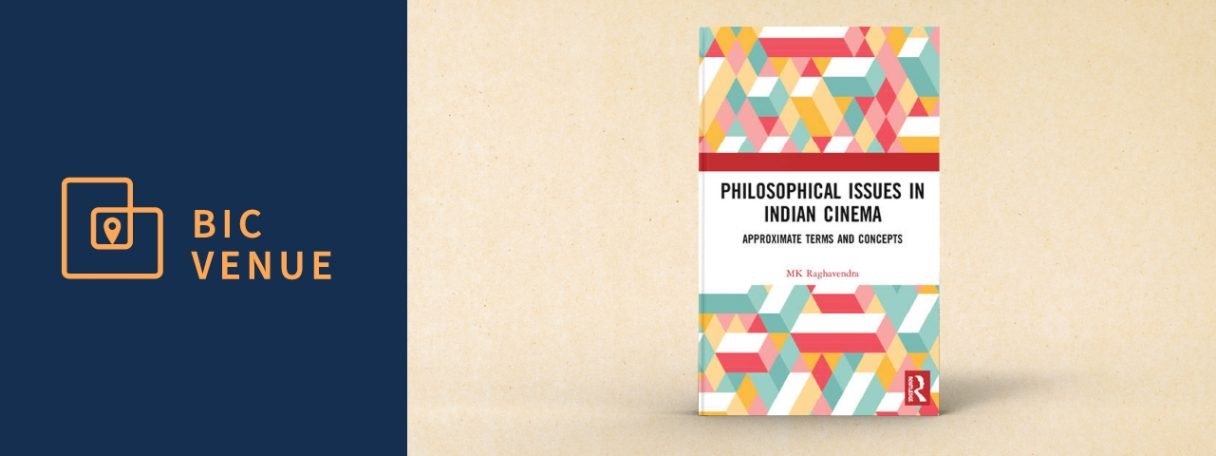
The author of the book Philosophical Issues in Indian Cinema: Approximate Terms and Concepts, MK Raghavendra will be in conversation with Chiranjiv Singh and Makarand Paranjape, moderated by Madhavi Peters. A Q&A with the audience will follow the session.
Speakers
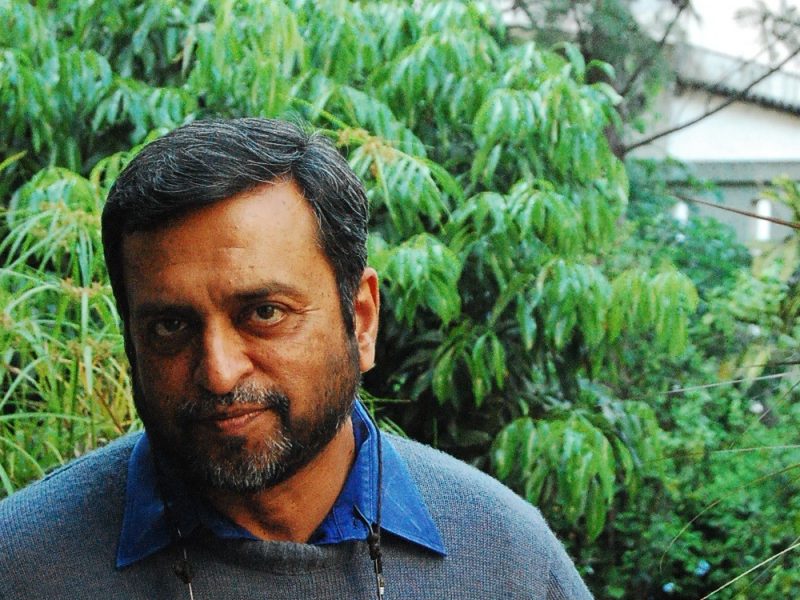
MK Raghavendra
MK Raghavendra is a writer on film, literature and culture. He won the Swarna Kamal for Best Film Critic in 1997, and received a Homi Bhabha Fellowship in 2000. He has authored thirteen books including Seduced by the Familiar: Narration and Meaning in Indian Popular Cinema (Oxford University Press, 2008), Bipolar Identity: Region, Nation and the Kannada Language Film (Oxford University Press, 2011), Locating World Cinema: Interpretations of Film as Culture (Bloomsbury, 2020) and The Hindu Nation: A Reconciliation with Modernity (Bloomsbury, 2021). His writing has been translated into French, Russian and Polish.
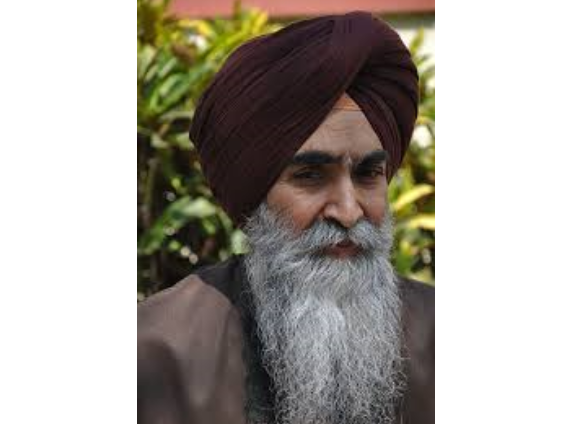
Chiranjiv Singh
Chiranjiv Singh is a former Ambassador of India to UNESCO in Paris. An Indian Administrative Service officer of the 1969 batch, he retired in 2005 as the Development Commissioner of Karnataka and Additional Chief Secretary to the Government of Karnataka. After his retirement he has been associated with numerous non-governmental organisations working in the fields of rural development, environment and culture. He was awarded the Rajyothsava Award in 2005 by the Government of Karnataka for his achievements.
Makarand Paranjape
Makarand R Paranjape has been Professor of English at Jawaharlal Nehru University, New Delhi, for over twenty-two years. He also served as the Director, Indian Institute of Advanced Study, Shimla. The author/editor of over 50 books and hundreds of academic papers, he is also a poet, novelist, columnist, and public intellectual. His latest books include JNU: Nationalism and India’s Uncivil War (Rupa, 2022), Identity’s Last Secret (BluOne, 2022), Swami Vivekananda: Hinduism and India’s Road to Modernity (HarperCollins, 2020), and New Perspectives in Indian Science and Civilization (Routledge, 2020)
Madhavi Peters
Madhavi Peters is a lawyer, writer, podcaster and place-based development practitioner. She holds a Juris Doctor from the University of Toronto, a Masters degree from Johns Hopkins and is a member of the New York State Bar Association.
Madhavi is the founder of The Tropicalist, an online platform for re-examining geographies. She is also the founder of The Tropicalist Trust, a non-profit that works on creating economies based on traditional knowledge. She has previously worked with indigenous communities in Malaysia and is currently working with the indigenous inhabitants of Kargil to improve farmer livelihoods in a marginalized region of immense strategic importance to the nation.
