
- This event is over. However, time travel possible through our Audio & Video! See upcoming events
The Year of Sportswashing
Sports, Politics and Human Rights in 2022
Speakers

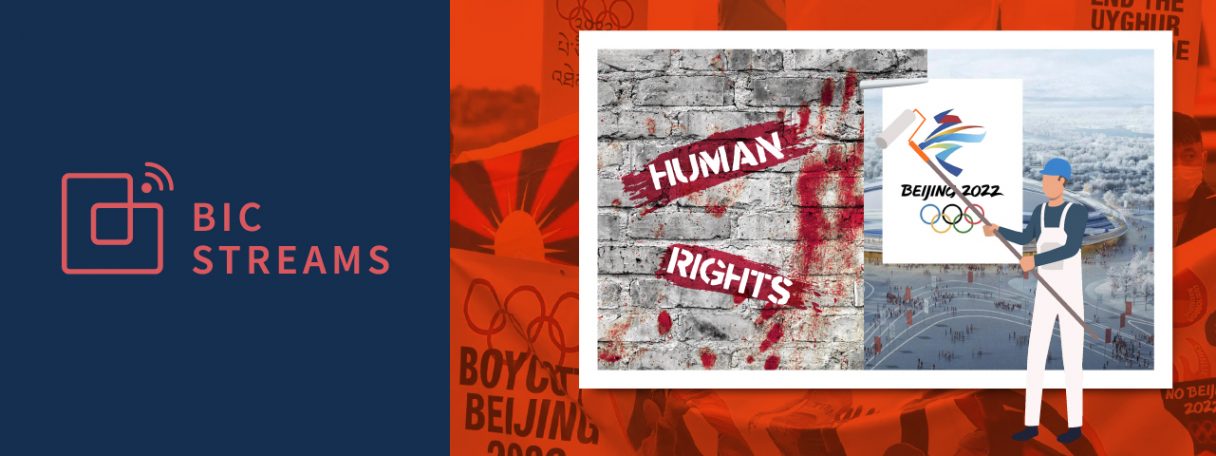
The practice of “sportswashing” i.e., the use of high-profile sports events or teams to improve public image, has gained prominence in 2022, especially with marquee global sports events such as the Winter Olympic Games (Beijing, China) and FIFA World Cup (Qatar) being hosted in countries with questionable human rights records.
The relationship between sport and human rights is complex. While the Olympic Charter recognises the practice of sport as a human right, the hosting/organisation of major sports events such as the Olympic Games often adversely impacts core human rights, such as housing (e.g., displacement and forceful eviction), labour rights (e.g., child labour and workers abuse), privacy and discrimination rights (e.g., targeting of protestors, activists and minorities), and rights to freedom of expression and protest (e.g. crackdown on protests and dissent).
As a result, and under pressure from human rights activists, many sport bodies have accepted the applicability of the United Nations’ Guiding Principles on Business and Human Rights, including through the integration of human rights related obligations and undertakings into the bidding and hosting regulations for large sporting events. Further, the hosting of major sports events is seen as an important platform for promoting human rights and bringing about human rights reforms in a host country, although the on-ground impact of such reforms is limited. Professional sports leagues, such as the Premier League, are considering the scrutiny of human rights records as a criterion for the ownership of sports teams. However, the gap between sports’ desire to receive and benefit from private funding (especially in a post-pandemic world) and its willingness to enforce and uphold the ideals of human rights is substantial and increasing.
This discussion will throw light on the practice and impact of sportswashing, the issues emerging from it, and responses by various stakeholders within the global sports eco-system.
In collaboration with The Sports Law & Policy Centre

The Sports Law & Policy Centre focuses on interdisciplinary research, scholarship, education and institutional support for public and private enterprises in areas relating to the legal, policy and ethical issues affecting amateur and professional sports in India. The Centre is housed at the Sports & Society Accelerator.
Speakers
Christina Philippou
Christina Philippou is a Principal Lecturer at the University of Portsmouth. Prior to that, she was a forensic accountant for Deloitte and, before that, in audit. Her research is focused on sport governance and corruption. She is Director of Policy at Fair Game, an organisation championing financial sustainability in football. Her teaching concentrates on corporate governance and sport finance, and she leads the football finance course for the Premier League’s EAM program.
Florian Yelin
Florian Yelin is the Policy and Research Coordinator for the World Players Association, a sector of UNI Global Union, which represents 85,000 players through over 100 player associations in more than 60 countries. Besides his work for the World Players Association, he is a Ph.D. candidate at the University of Erlangen-Nuremberg with a research focus on the human rights expectations towards FIFA and IOC in the context of Mega-Sporting Events.
Shailesh Rai
Independent Researcher and Former Law & Policy Director at Amnesty International India
