Speaker
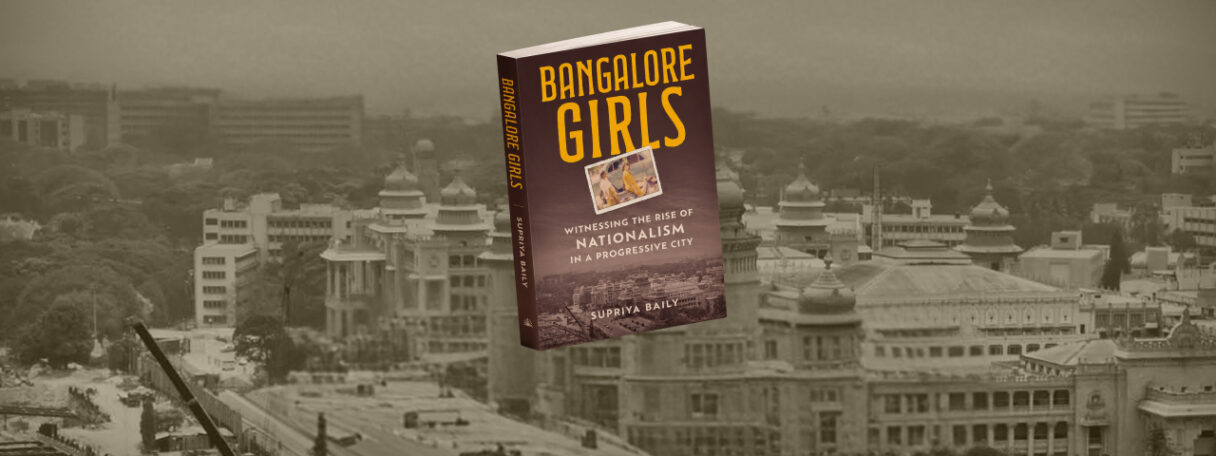
This talk examines how local experiences shape global upheavals. What can the lives of women who grew up together in one of India’s most progressive cities tell us about how freedoms shift with the socio-political climate?
The session is based on the book, Bangalore Girls, which follows classmates through the late 1980s and early 1990s. As they enjoyed the trappings of a growing middle class, they also watched the country shift politically and socially after the demolition of the Babri Masjid in 1992 and the violence that followed. Their accounts range from personal safety and their families’ educational prospects to nationalism, religious fundamentalism, anti-intellectualism, and the dangers of independent thinking. The author argues that understanding this wave of socio-political change, and its threat to women’s rights and human rights, has never been more urgent.
Venue: Library
Speaker
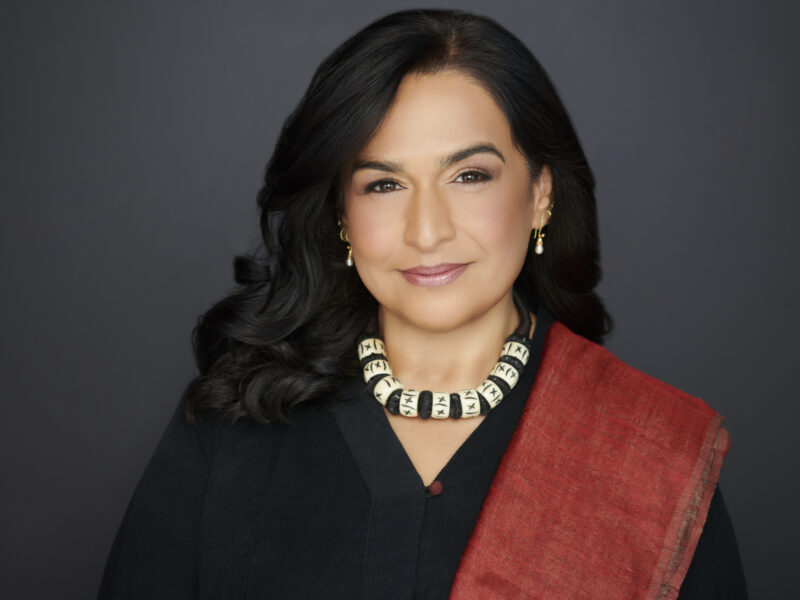
Supriya Baily
Supriya Baily is an activist, scholar, and educator, currently serving as Associate Dean of the Carter School for Peace and Conflict Resolution and Professor of Education at George Mason University. Her work focuses on social justice in education, gender equity, and the role of teacher education in addressing educational inequality. Beginning her journey as a community organiser in India, she spent a decade working with development and social justice organisations before entering academia. She holds a B.A. in Social Work, an M.A. in International Development Studies and a Ph.D. in International Education. In 2023, she served as President of the Comparative and International Education Society. She has co-edited four books including Experiments in Agency: A global partnership to transform teacher research (2017), Educating adolescent girls around the globe: Challenges and opportunities (2015), and Internationalizing Teacher Education in the US (2012).
You might also like
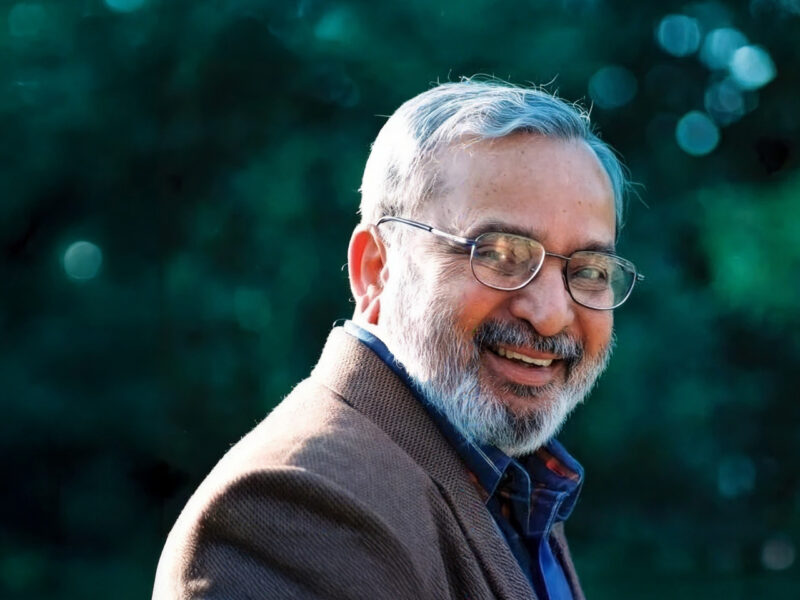
Reflections of the Mahabharata | ಮಹಾಭಾರತದ ಚಿಂತನೆಗಳು
The U. R. Ananthamurthy Memorial Lecture 2026
RSVP here