
- This event is over. However, time travel possible through our Audio & Video! See upcoming events
The Girl Who Was the Color of Nothing
Illustrating Colourism for You and Your Kids
Speakers
How far will a family go to ensure their daughter’s skin never darkens?
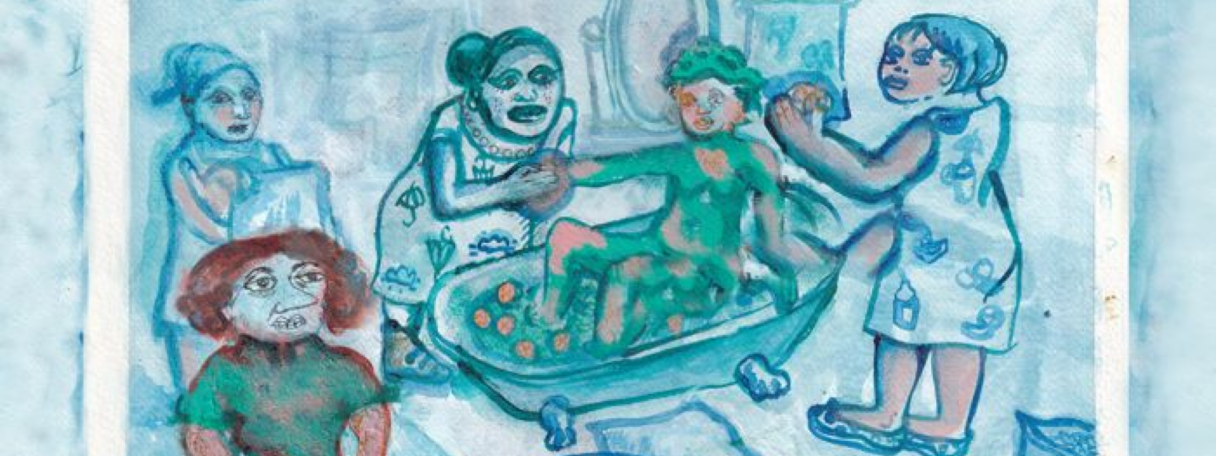
The Girl Who Was the Color of Nothing is a collaboration between writer R. Benedito Ferrão and artist Maria Vanessa de Sa which answers that question with tragi-comic results. This illustrated book delves into the ways lighter skin is equated with attractiveness, and how these norms are perpetuated uncritically by adults to the detriment of children.
The story draws from an unlikely source: a fourth-century Roman legend, reimagined through a sixteenth-century artwork that connects Portugal and South India. Metaphorical and magical all at once, this is a children’s book written for adults. It invites readers to examine what they have internalised, and what they may be passing on.
To know, the author believes, is to heal.
Ferrão joins Priya Joseph in conversation about the inspiration and ambitions for the book. Children and their adults are welcome.
Speakers
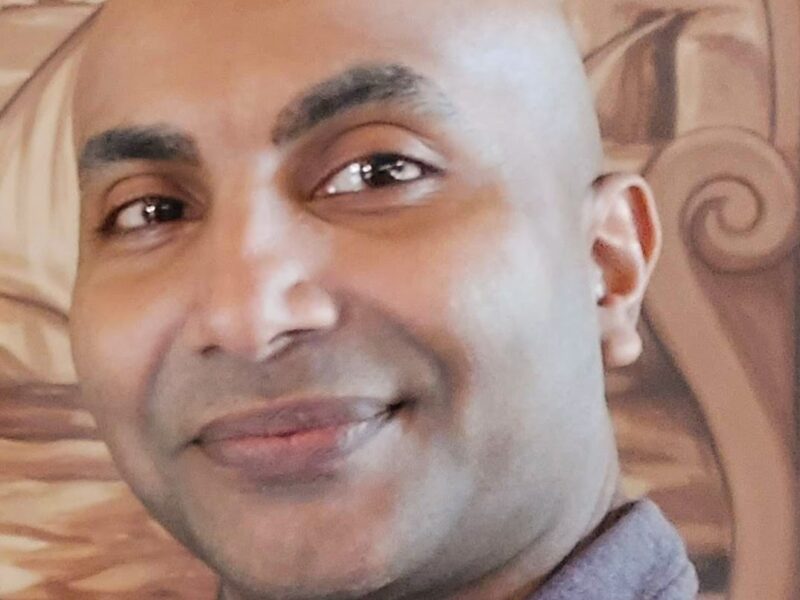
R Benedito Ferrão
R. Benedito Ferrão is an Associate Professor of English and Asian & Pacific Islander American Studies at William & Mary. He has been the recipient of fellowships from the Fulbright, Mellon, Endeavour, and Rotary programs, the Bayreuth Academy of Advanced African Studies, and the American Institute of Indian Studies. His books include the forthcoming Across Continents: Writing Goans, Making Worlds (2026) and the edited volume, Goa, Portugal, Mozambique: The Many Lives of Vamona Navelcar (2017), which accompanied an exhibition of the same title that he curated at Fundação Oriente, Goa. He has also curated exhibitions for the artists Karishma D’Souza, Angela Ferrão, and Maria Vanessa de Sa with whom he co-published The Girl Who was the Color of Nothing (2026).
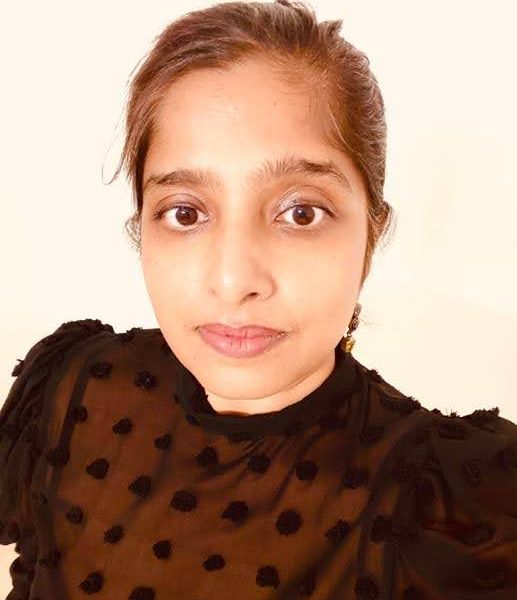
Priya Joseph
Priya Joseph Writer, Educator & Architect Priya is an architect, writer, and educator. She teaches courses on design and art at Srishti Manipal Institute of Art, Design and Technology in Bangalore. She is the co-founder of The Living Studio Architects, with partner Deepak Godhi R., which has designed numerous buildings in earth in South India. Her work focuses on material culture and design, history and theory of architecture, especially looking at materiality, gender-ecology-design, urbanism, new media, and using drawing as a method of not just representation but also reflection. She has taught earlier at CEPT University, Bern University of Applied Sciences, Switzerland, and the IN:CH project. She has written for Domus, Economic and Political Weekly, and Traditional Dwellings and Settlement Review, among others. Her recent book is titled Brick Architecture Craft in Nineteenth Century South India: Reading Buildings as Archives, published by Routledge.
